
Boutique stays for C-suite retreats and incentive groups
When planning a luxury incentive, bigger isn't always better. Large resorts have their place, particularly for sizeable groups that need extensive meeting and event facilities. But for the right incentive, a smaller property can give you something much harder to manufacture: privacy, personality and a more relaxed atmosphere.
The trick is knowing how to use that scale to your advantage. From historic Porto properties to a working Alentejo estate, there are plenty of smaller-scale hotels that combine luxury with a strong sense of place. Here are four worth knowing.
Vinha Boutique Hotel, Porto
-
Porto's culture, food and wine, but with a more relaxed and private hotel setting.
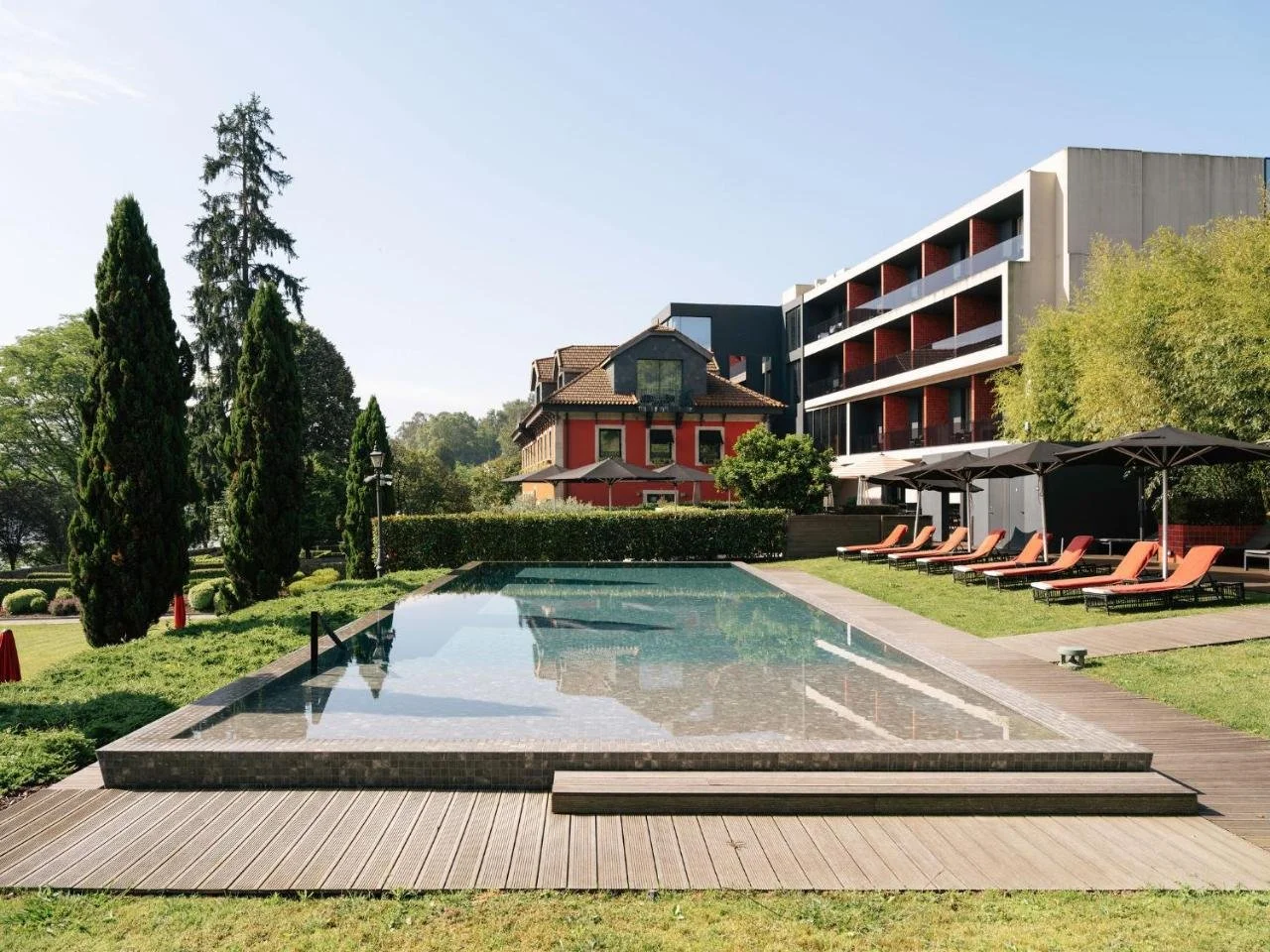
Just outside central Porto, Vinha Boutique Hotel offers the best of both worlds for an incentive group: easy access to the city, with somewhere peaceful to return to at the end of the day.
Set in a restored manor house overlooking the Douro, Vinha feels more like a private estate than a city hotel. Gardens, riverside views and a relaxed atmosphere make it easy to switch off, while Porto’s restaurants, wine cellars and cultural attractions are all within reach.
A day here could start with exploring the city before bringing everyone back to the hotel for a leisurely afternoon, followed by a private dinner or evening event. It’s a welcome change of pace for groups with a busy itinerary, giving guests time to enjoy the destination without feeling they have to be on the go all day.
The hotel’s different spaces also offer plenty of possibilities for smaller gatherings. Rather than keeping everyone in one function room, an evening could unfold across the property, with drinks in the gardens before dinner overlooking the river.
And then, of course, there’s the Douro. Wine is an essential part of any visit to this region, but there’s plenty of scope to take the experience further than a traditional cellar visit. Think time on the river, visits to local producers and long lunches or dinners celebrating Portuguese food and wine. Vinha makes a lovely base for bringing it all together.
The Lince Santa Clara, Porto
-
culture, history and gastronomy at the centre of their Porto programme, with a hotel that has plenty of its own character.
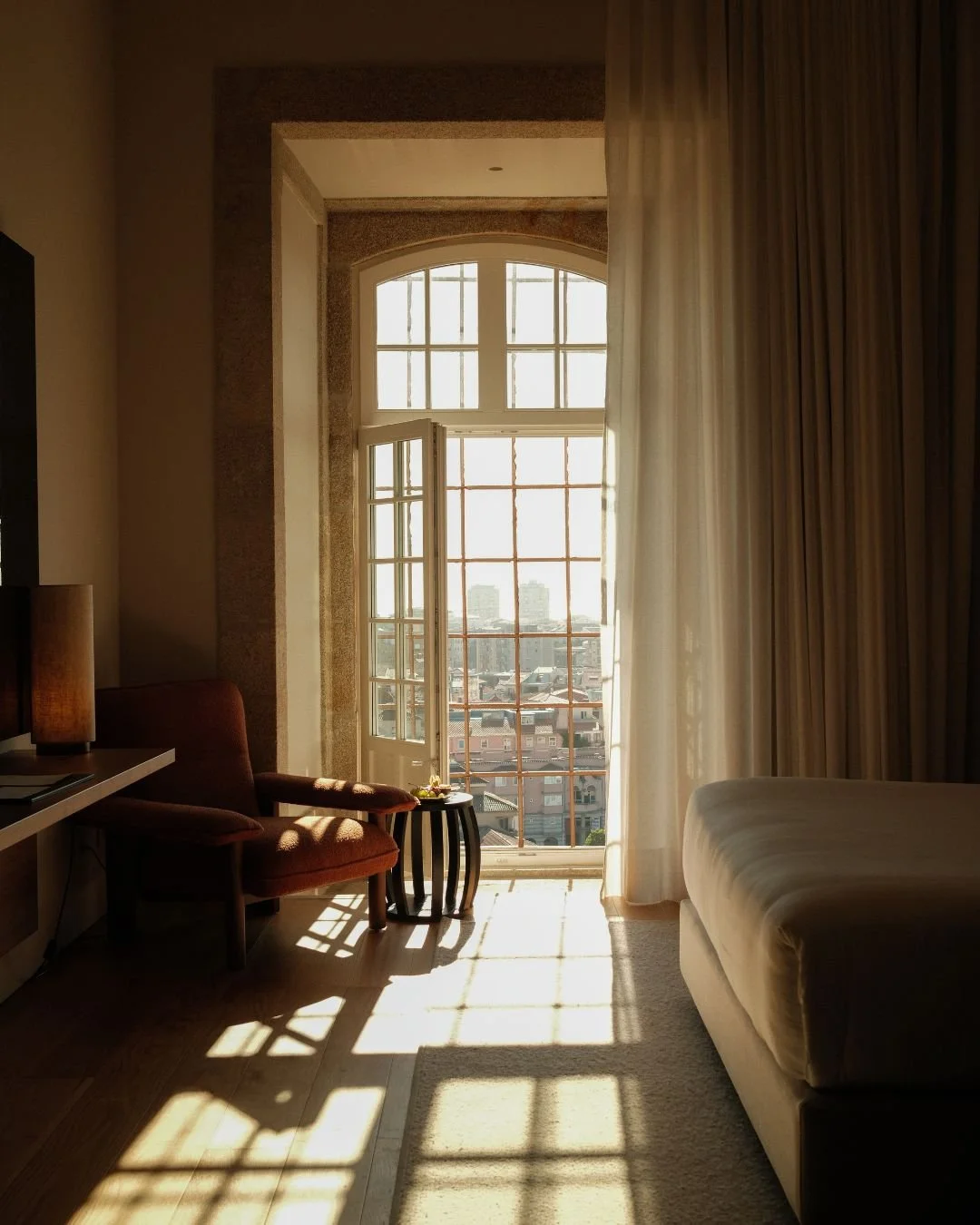
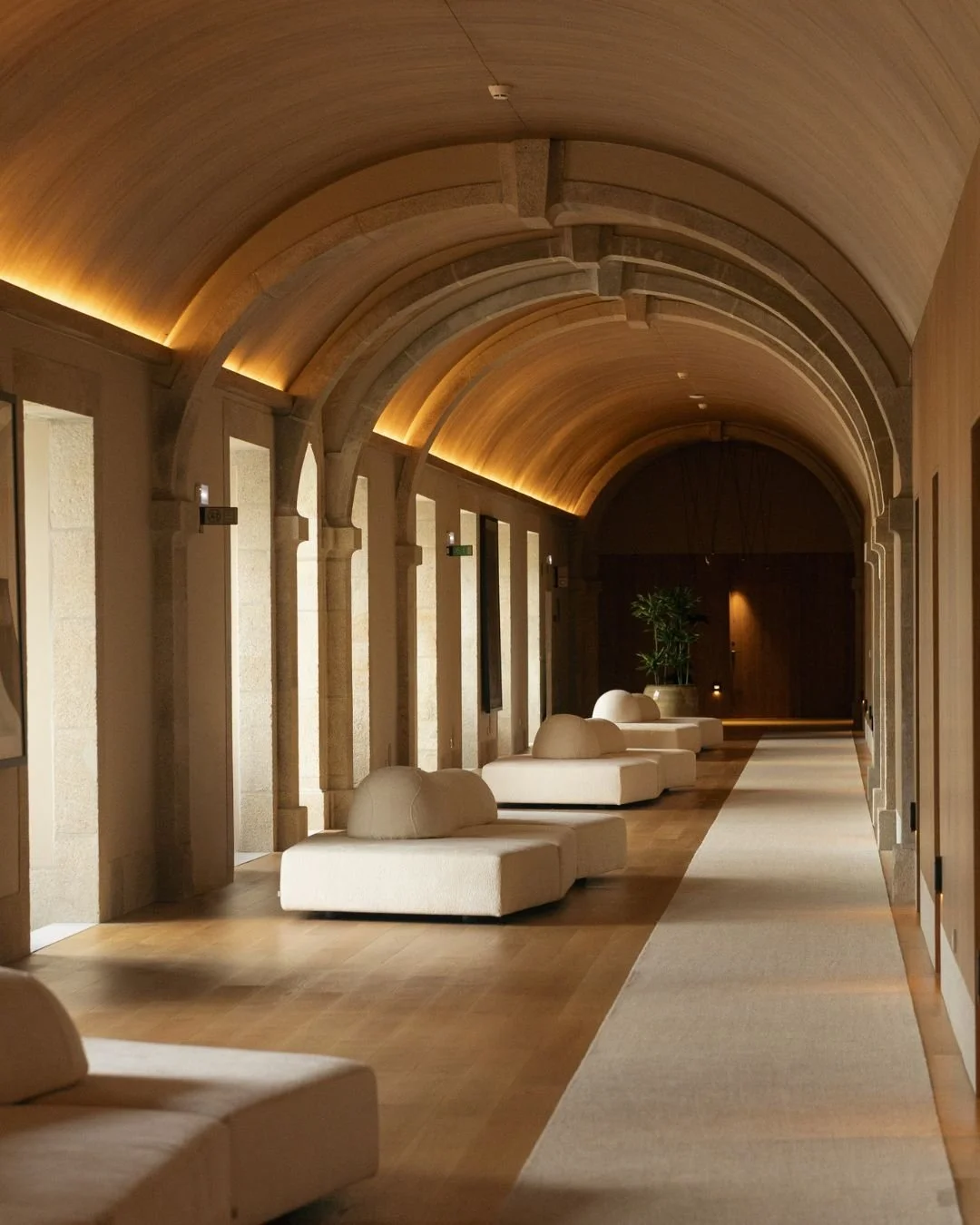
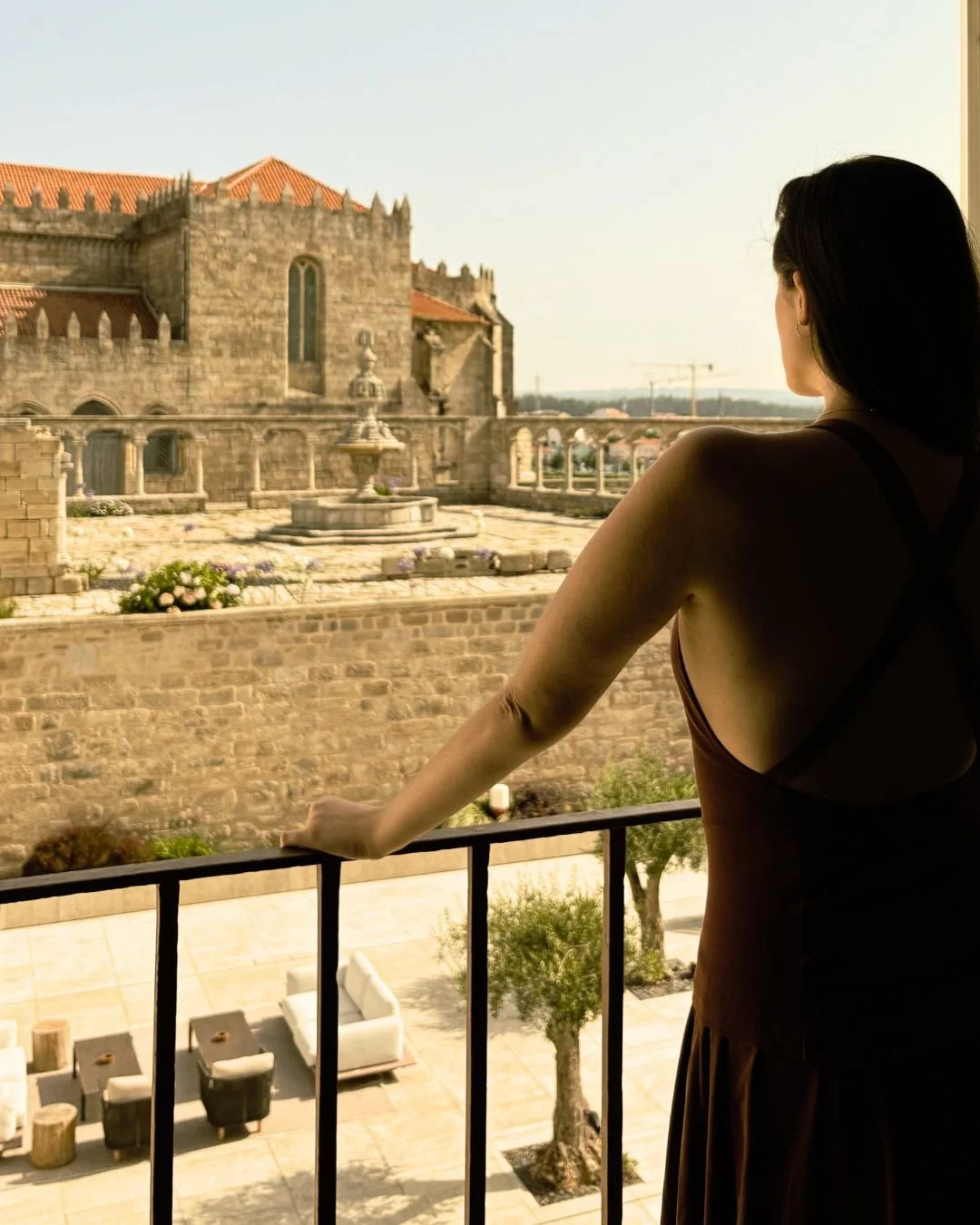
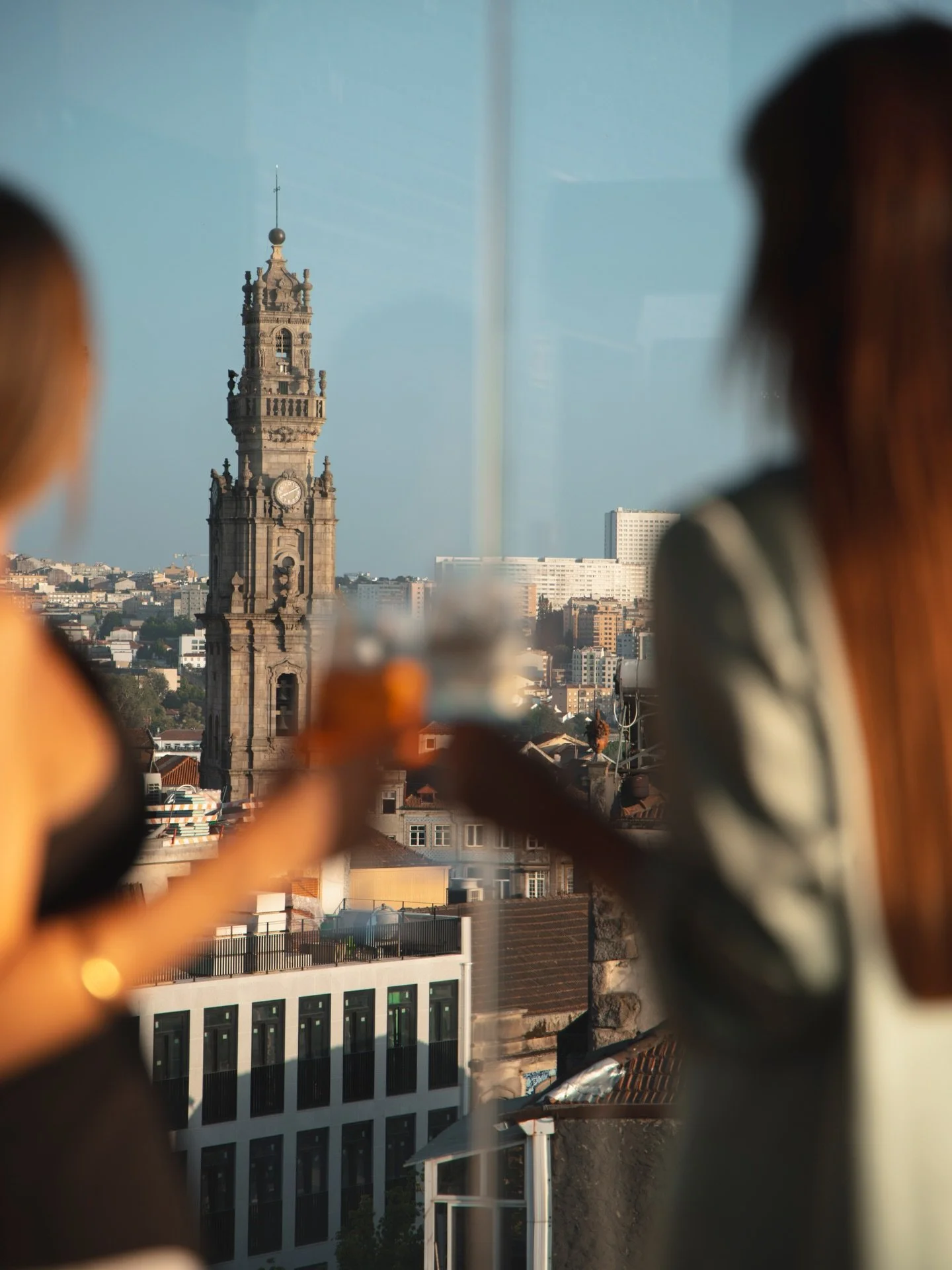
Housed in a former 18th-century convent, The Lince Santa Clara occupies one of Porto’s most atmospheric settings, with views across the city and the Douro. The building’s history gives it plenty of character, while the interiors bring a fresh, contemporary feel without losing its sense of place.
For incentive groups, much of the appeal lies in how naturally the hotel connects with its surroundings. The historic architecture provides a distinctive backdrop for private events, while Porto itself offers plenty to build into the programme.
Guests could spend the day exploring the city on a guided architectural tour, visiting local landmarks, discovering its food scene or sampling port in one of the region’s renowned cellars. Evenings might mean dinner in a characterful local restaurant before returning to the hotel, where the sense of history continues.
There’s also an appealing intimacy to the property. It offers a more private setting for groups who want to spend time together away from the crowds, without compromising on the service and facilities you’d expect from a luxury hotel.
Wine & Books Hotels, Porto
-
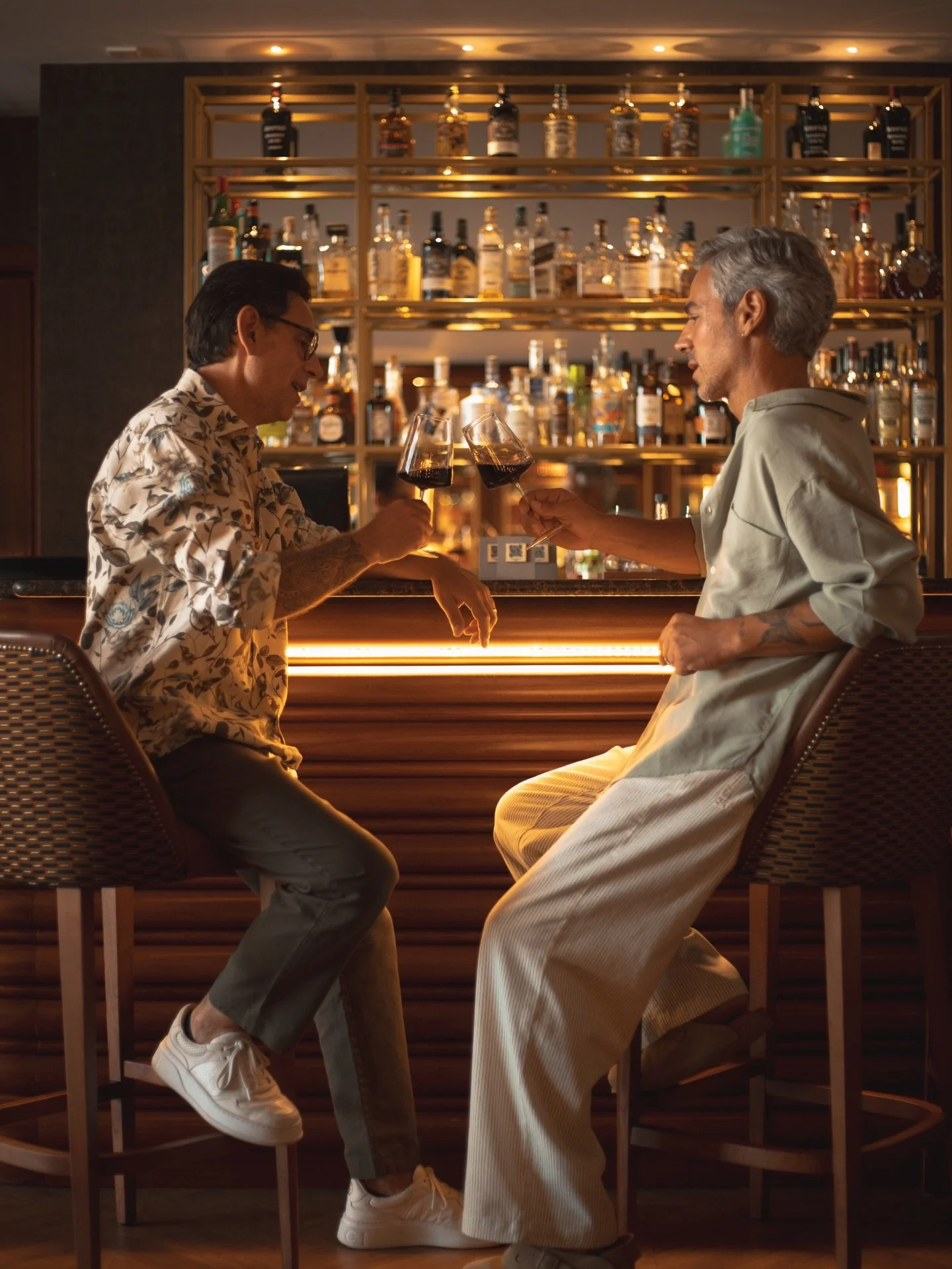
a contemporary city stay with a strong cultural identity, particularly where food, wine and local experiences are important.
For something a little more contemporary, Wine & Books Hotels brings a different personality to the boutique hotel scene.
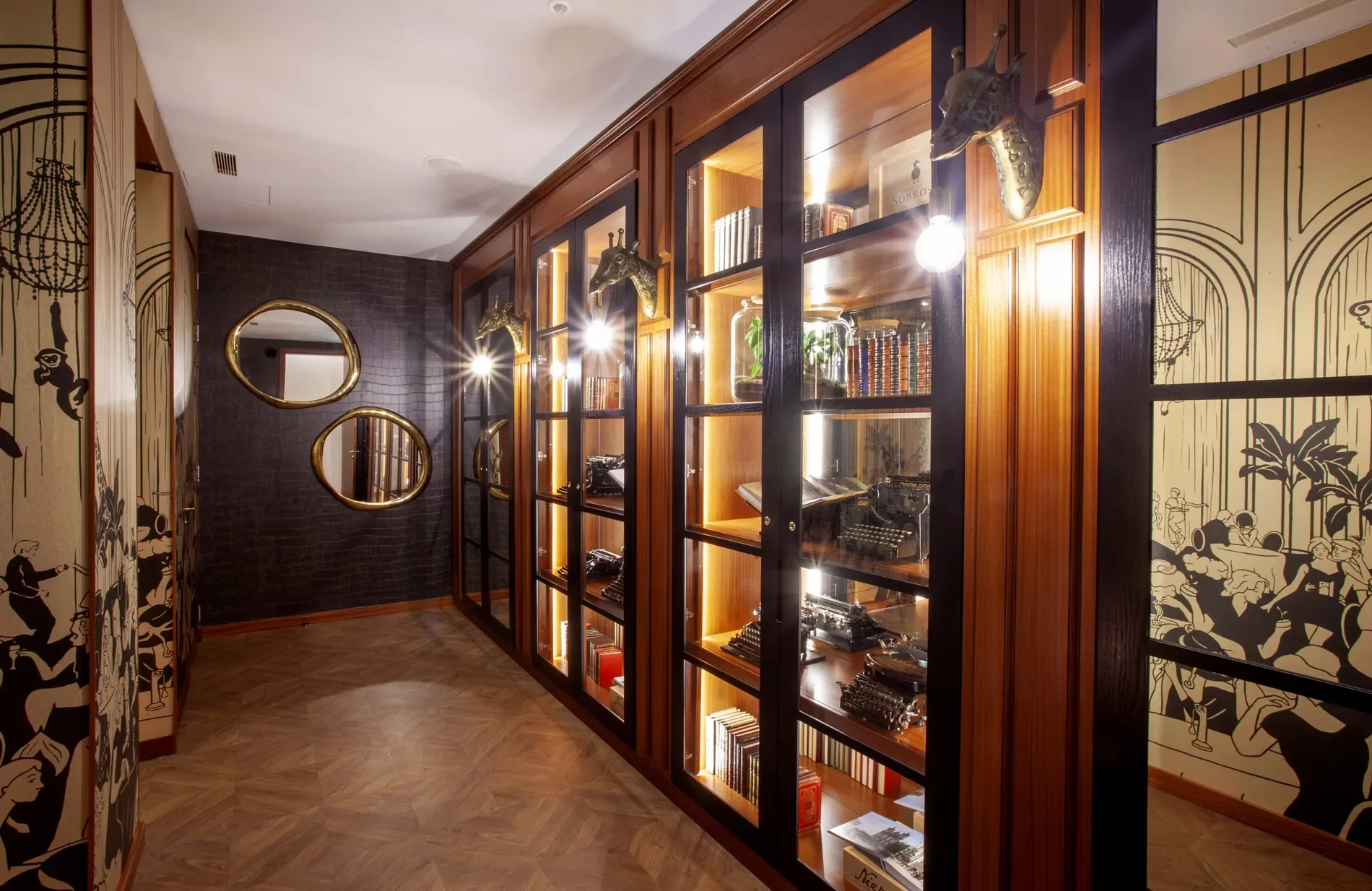
The concept draws on two things Portugal is particularly known for: wine and literature. It gives the hotel a strong sense of identity, with plenty of inspiration for experiences that feel connected to the destination.
Wine is an obvious place to start, whether that means tastings, visits to local producers or a dinner showcasing Portuguese wines. But there's another side to explore, too. The literary theme opens the door to experiences centred on culture, design and the creative life of the city.
One of the advantages of a hotel with such a clear identity is that it gives you a starting point for the programme. Ideas can carry through from the welcome and dining to the experiences themselves, creating a sense of cohesion without having to impose an artificial theme.
It also suits groups who would rather enjoy a more relaxed pace. A leisurely breakfast, an afternoon exploring Lisbon or a long dinner with good conversation can be just as memorable as a packed schedule of activities.
Not every incentive needs to fill every hour. Sometimes giving guests the freedom to discover a destination in their own time is part of the appeal.

Herdade da Malhadinha Nova, Alentejo
-
a private countryside escape centred around food, wine, nature and authentic Alentejo experiences.
And then there is Herdade da Malhadinha Nova, which takes the idea of smaller-scale luxury out into the Alentejo countryside.
Set on a working estate surrounded by vineyards, olive groves and open landscapes, it feels a world away from the city. Life moves at a different pace here, with the property's experiences rooted in the land, local produce and the rhythms of rural Portugal.
For incentive groups, that opens up a very different kind of programme. Wine tasting takes place where the wine is made, meals celebrate ingredients from the region, and days can be spent horse riding, exploring the countryside or simply enjoying the space around the property.
There is plenty of scope to make the experience feel personal, too. Rather than travelling between a long list of attractions, groups can spend time getting to know the estate and the wider Alentejo region, with private experiences shaped around their interests.
It's a particularly appealing option for groups who have already experienced the big-city incentive and are ready for something slower and more individual. Here, the landscape is part of the experience, and there's room to properly switch off.
After days spent travelling, dining and socialising, that breathing space can be every bit as memorable as the headline experiences.
Why Smaller-Scale Works for Incentives
Each of these four properties offers something quite different. Vinha combines the appeal of Porto with a peaceful riverside setting. The Lince Santa Clara brings history and character to the heart of the city. Wine & Books has a distinctive identity that can inspire the wider programme. And Malhadinha Nova offers a chance to escape into the Alentejo countryside.
What they share is the opportunity to make an incentive feel more personal. With fewer guests and a more intimate setting, there is greater scope to tailor the experience around the group. Dining feels more relaxed, private gatherings have a sense of occasion, and there is more opportunity for the hotel team to get to know guests and make the stay feel individual.
The destination also plays a bigger part. A hotel with a strong connection to its surroundings gives planners something meaningful to build on, whether that's Porto's wine culture and architectural heritage or the food, vineyards and landscapes of the Alentejo.
For groups where time together, privacy and a genuine sense of place matter, smaller-scale luxury is certainly worth considering.