
Untamed & Unmatched: How China and Mongolia Are Re-Writing The Rules of Luxury Incentive Travel
Sponsored by WildChina & WildMongolia
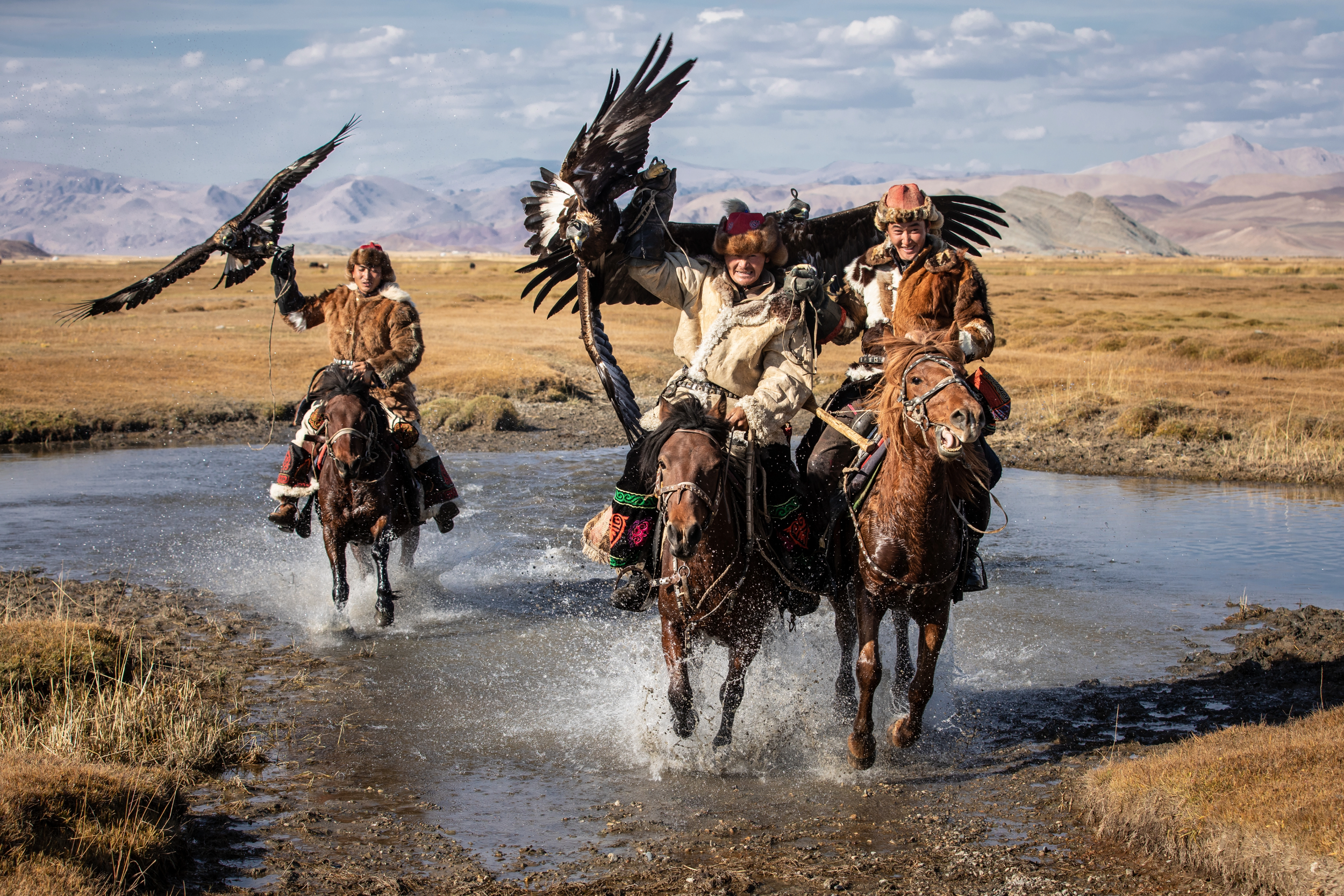
Luxury incentive travel has entered a new era.
The days of rewarding top performers with little more than a beautiful hotel, a beach club reservation and a packed sightseeing schedule are rapidly fading. Today’s high-performing audiences are looking for something far more meaningful: experiences that feel genuine, transformative and impossible to replicate.
For luxury incentive planners, that presents both an opportunity and a challenge. How do you create programmes that still deliver exclusivity and sophistication, while also satisfying the growing demand for authenticity, human connection and purpose?
The answer may lie in two destinations that sit beyond the traditional luxury incentive playbook.
—
China and Mongolia are not destinations that can be reduced to a checklist of landmarks or luxury properties. They are places of immense scale, layered histories and living traditions — destinations where culture is not curated for tourists, but actively lived every single day.
And few companies understand how to unlock that reality better than WildChina and WildMongolia.
For more than two decades, WildChina has redefined what experiential luxury travel in China can look like, pioneering a model built around deep local access, sustainability and storytelling. Its sister brand, WildMongolia, brings that same philosophy to one of the world’s last truly untamed frontiers, creating journeys that immerse travellers within Mongolia’s vast landscapes and enduring nomadic culture.
Together, they offer something increasingly rare in the incentive space: authenticity that does not compromise on luxury.
Why WildChina Changed the Conversation Around Luxury Travel
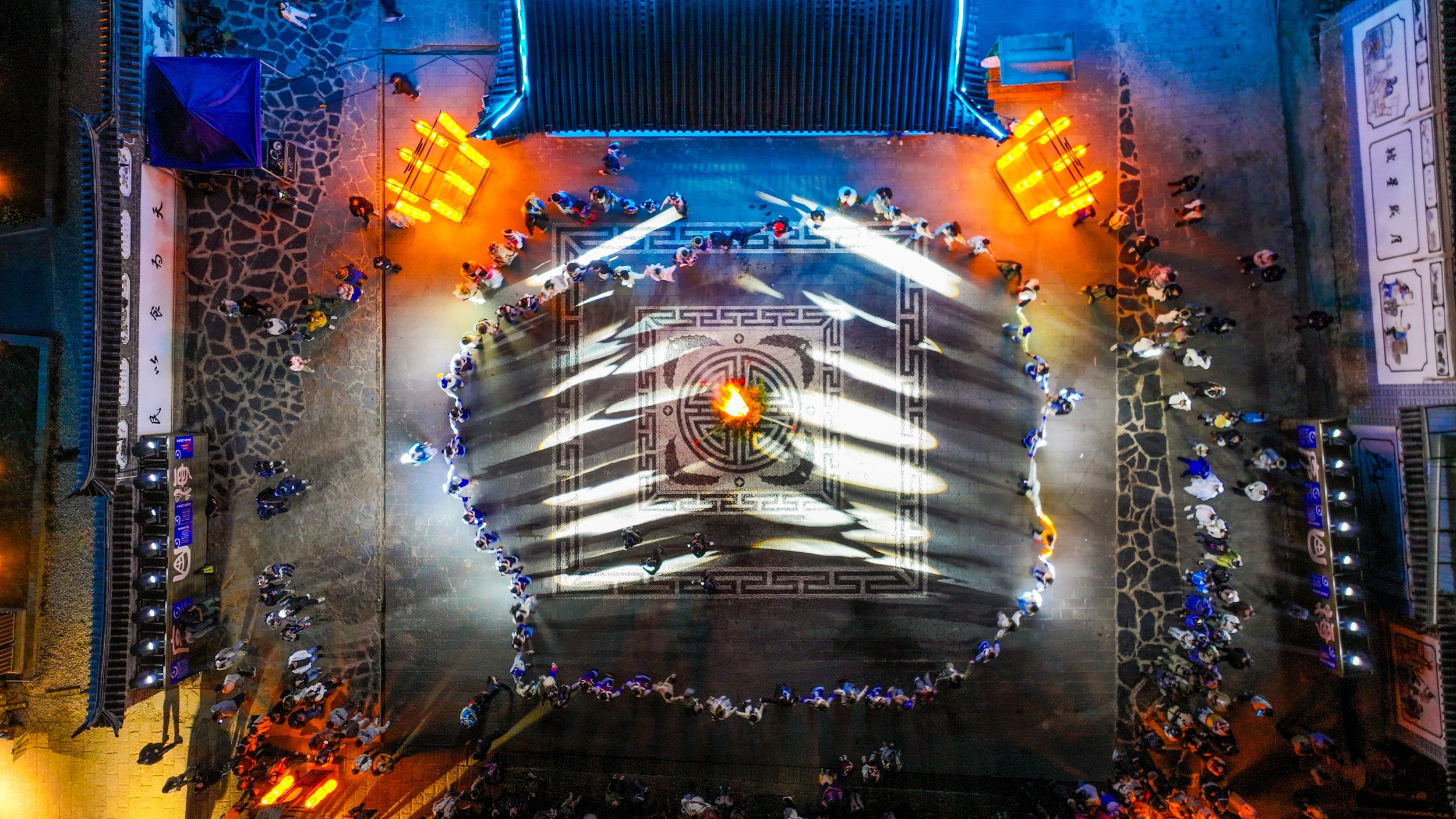
Today, exclusivity is no longer simply about access to luxury; it is about access to experiences that feel personal, culturally immersive and emotionally resonant.
That evolution is particularly relevant for destinations like China and Mongolia.
Both countries possess extraordinary landscapes and luxury hospitality offerings, but their real power lies elsewhere. They offer the opportunity to step into worlds that feel entirely different from the everyday lives of attendees.
When WildChina was founded in 2000 by Mei Zhang, the company challenged many of the assumptions surrounding luxury travel in China. Rather than focusing solely on iconic attractions, WildChina built its reputation around uncovering the stories, people and cultural nuances that exist beyond the tourist surface.
It was a bold concept at the time. Yet today, it feels remarkably aligned with what modern incentive audiences are seeking.
China can often feel intimidating to international audiences due to its scale, complexity and cultural differences. WildChina bridges that gap through meticulous curation and operational expertise, allowing attendees to experience the country in ways that feel both seamless and deeply immersive.
WildChina also understands something many luxury operators overlook: true exclusivity often comes from access, not extravagance.
The company’s long-standing relationships with local communities, conservation projects, artisans and cultural experts allow planners to unlock experiences that feel genuinely privileged because they are rooted in trust and authenticity.
For incentive groups that have “seen it all,” that kind of access becomes incredibly powerful.
Consider what that looks like in practice.
A champagne brunch on a privately closed section of the Great Wall. A gala dinner in the lantern-lit pavilions of Shanghai's Yu Garden. A long table laid out beneath Jade Dragon Snow Mountain in the candlelit lanes of Lijiang's old town. These are places that draw millions of visitors every year, and for one evening, they belong entirely to your group.

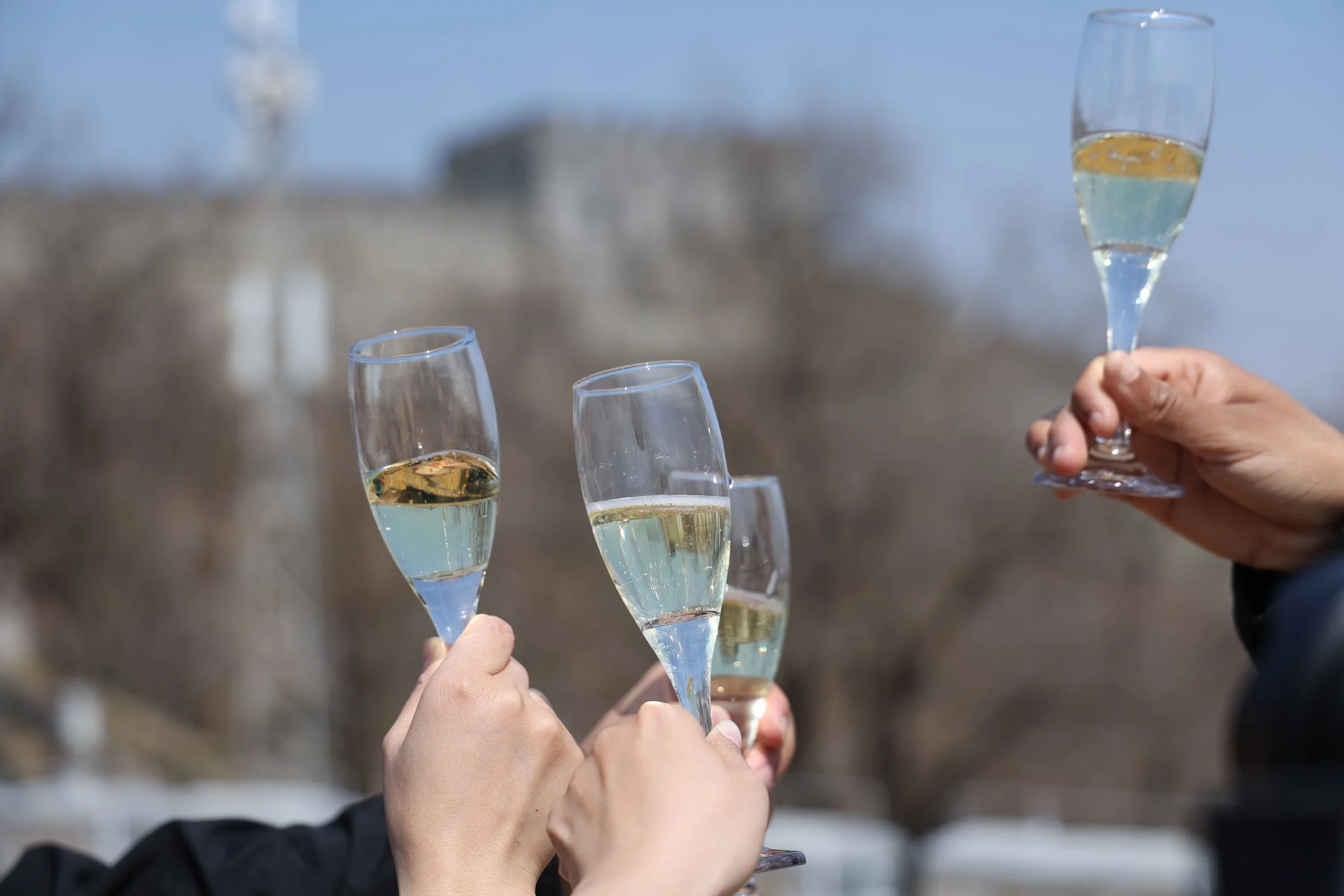
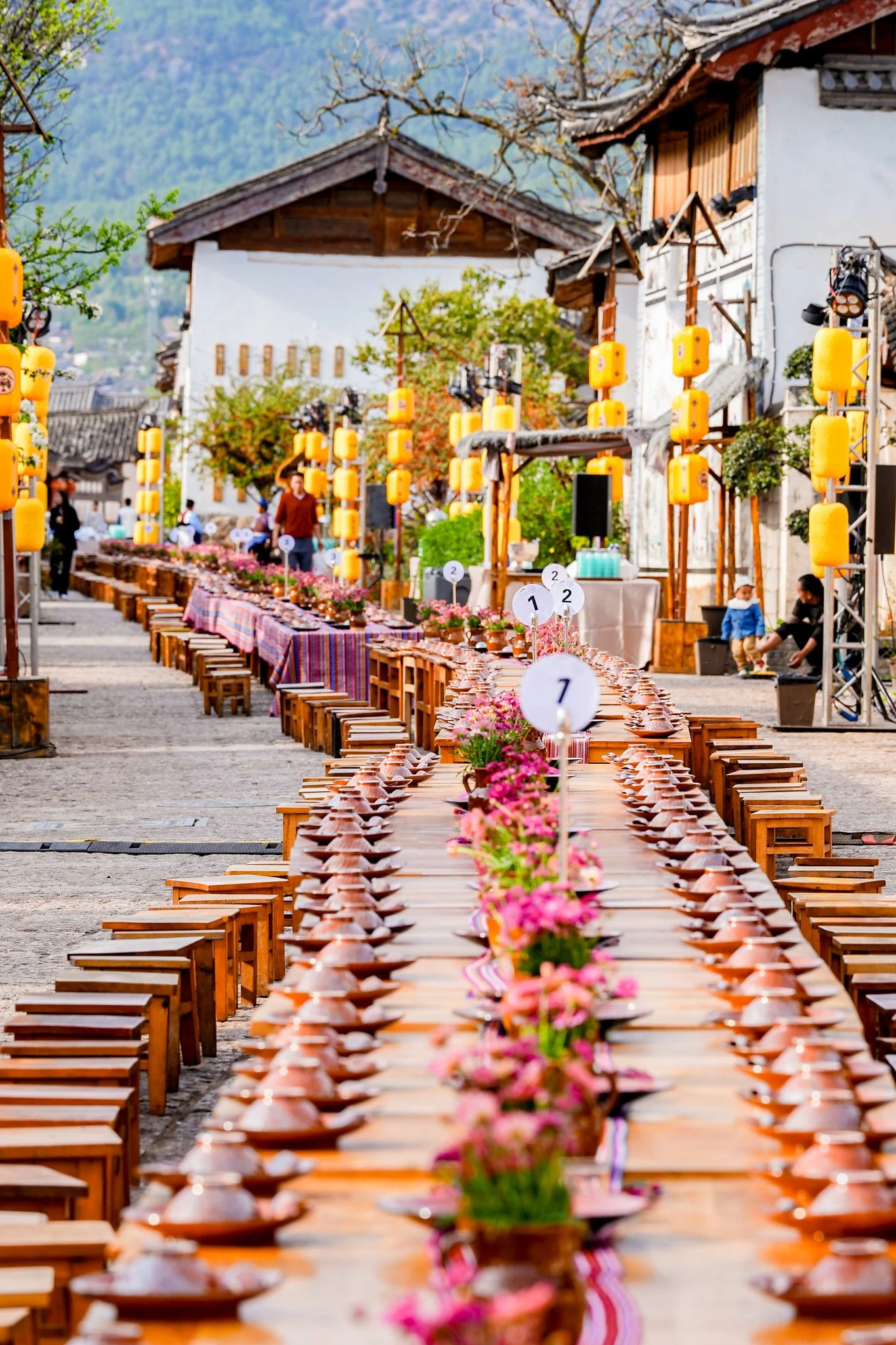
That is not something that can be arranged through a booking system. It is possible because of relationships WildChina has spent 25 years building — with local authorities, cultural institutions, and communities who trust them completely.
That trust is the product. And it cannot be replicated.
The ability to understand the cultural, historical and human story behind an experience transforms it from impressive to unforgettable.
Mongolia: The Luxury of Space, Silence and Human Connection
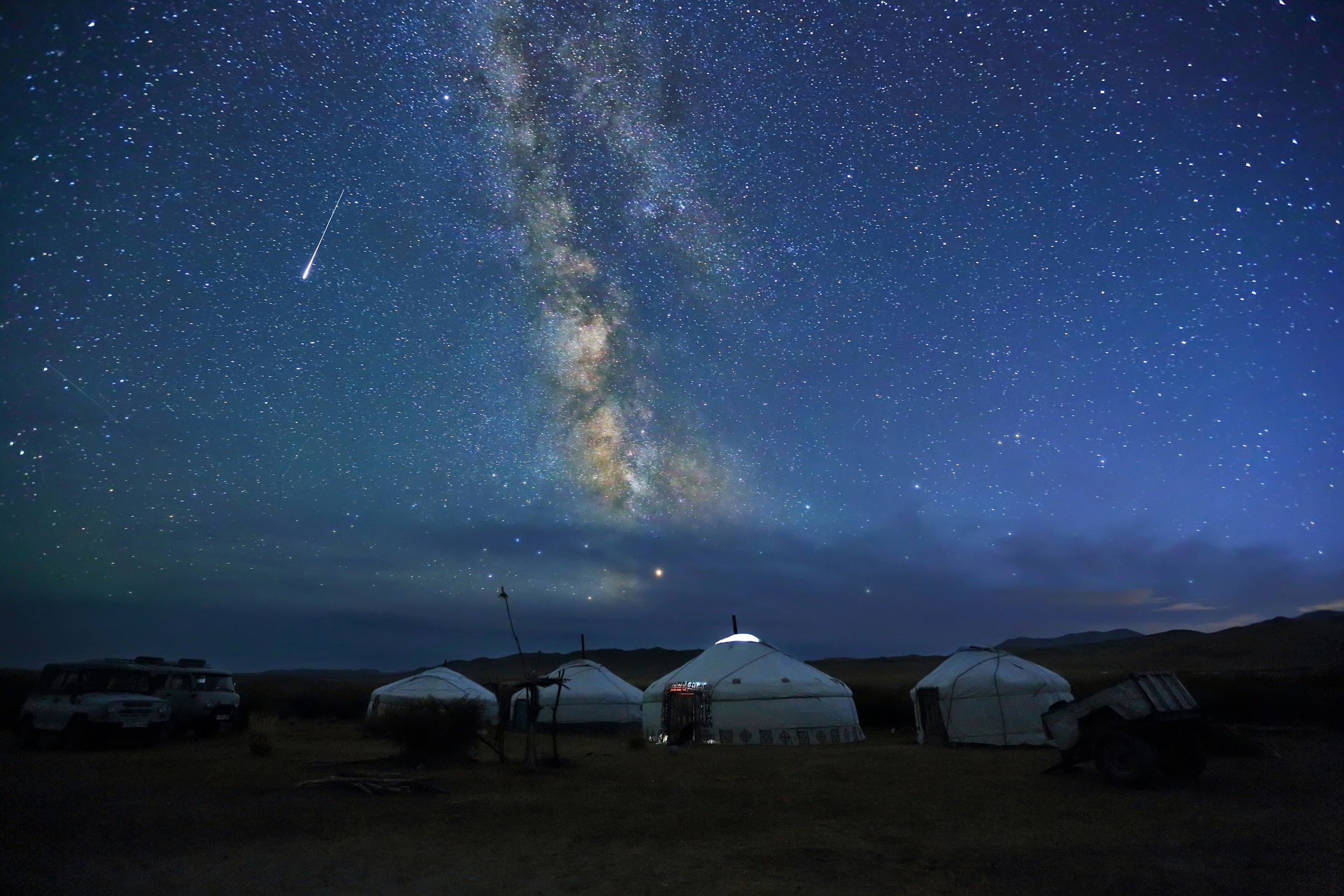
If China offers layered cultural immersion, Mongolia delivers something entirely different: perspective.
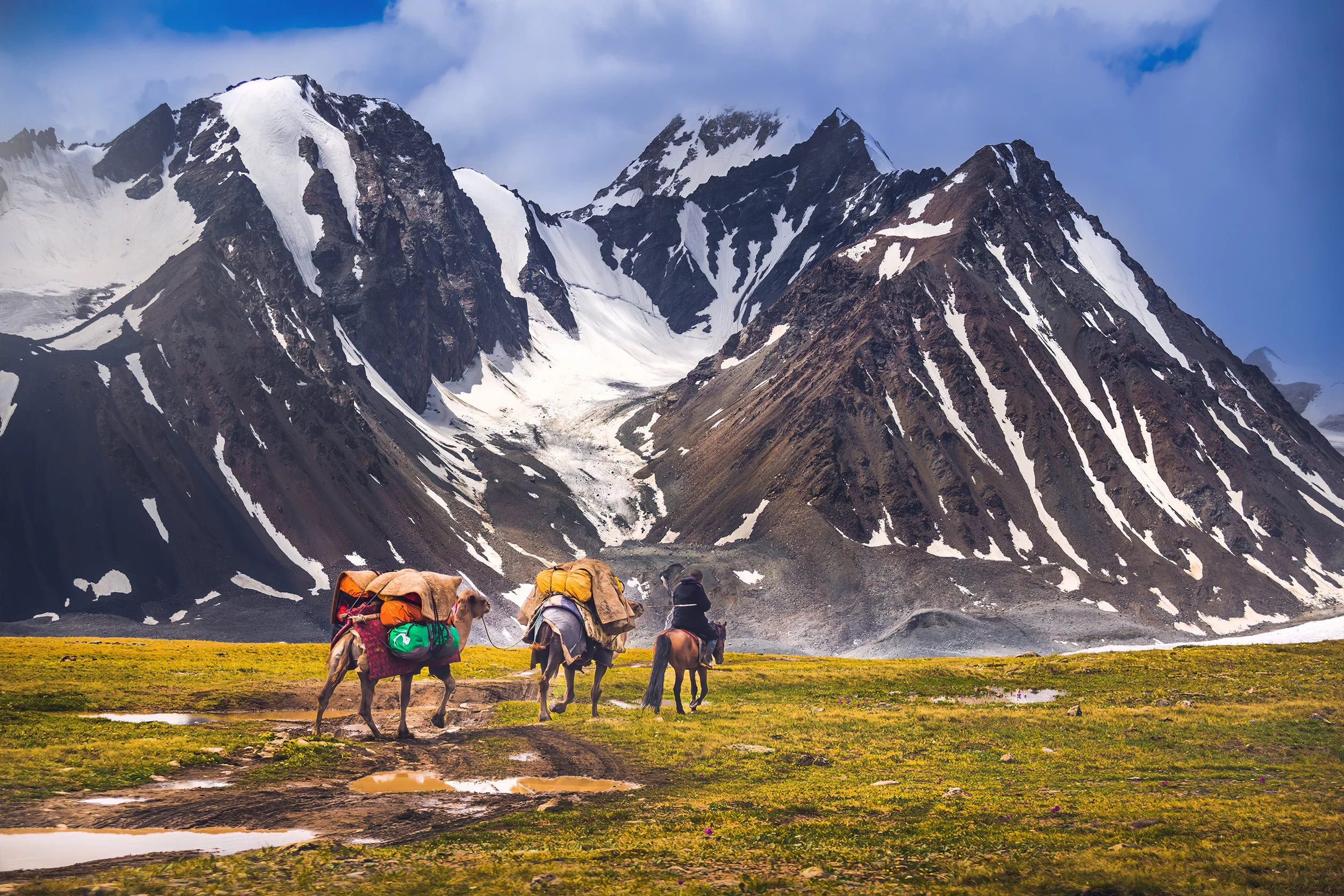
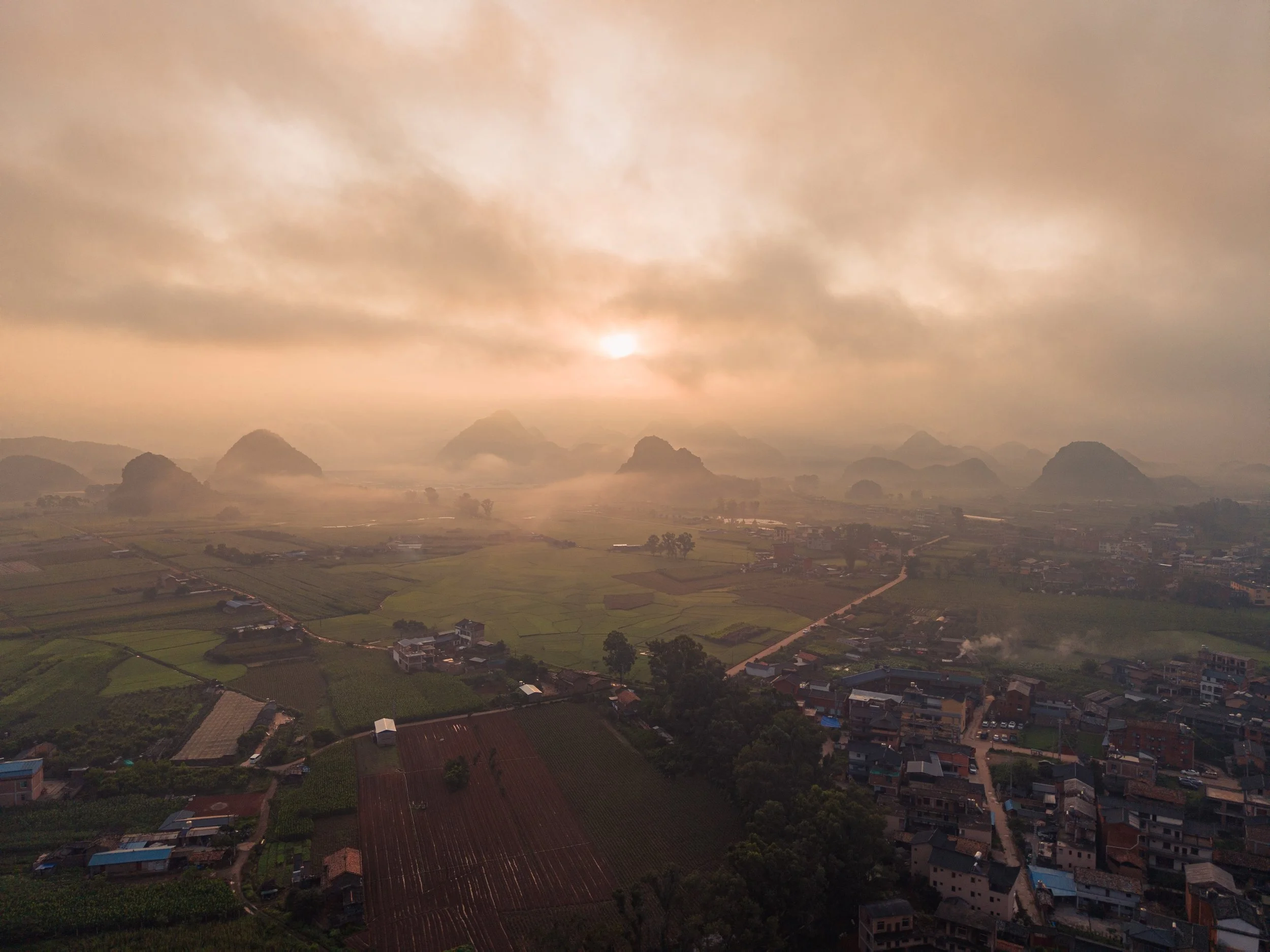
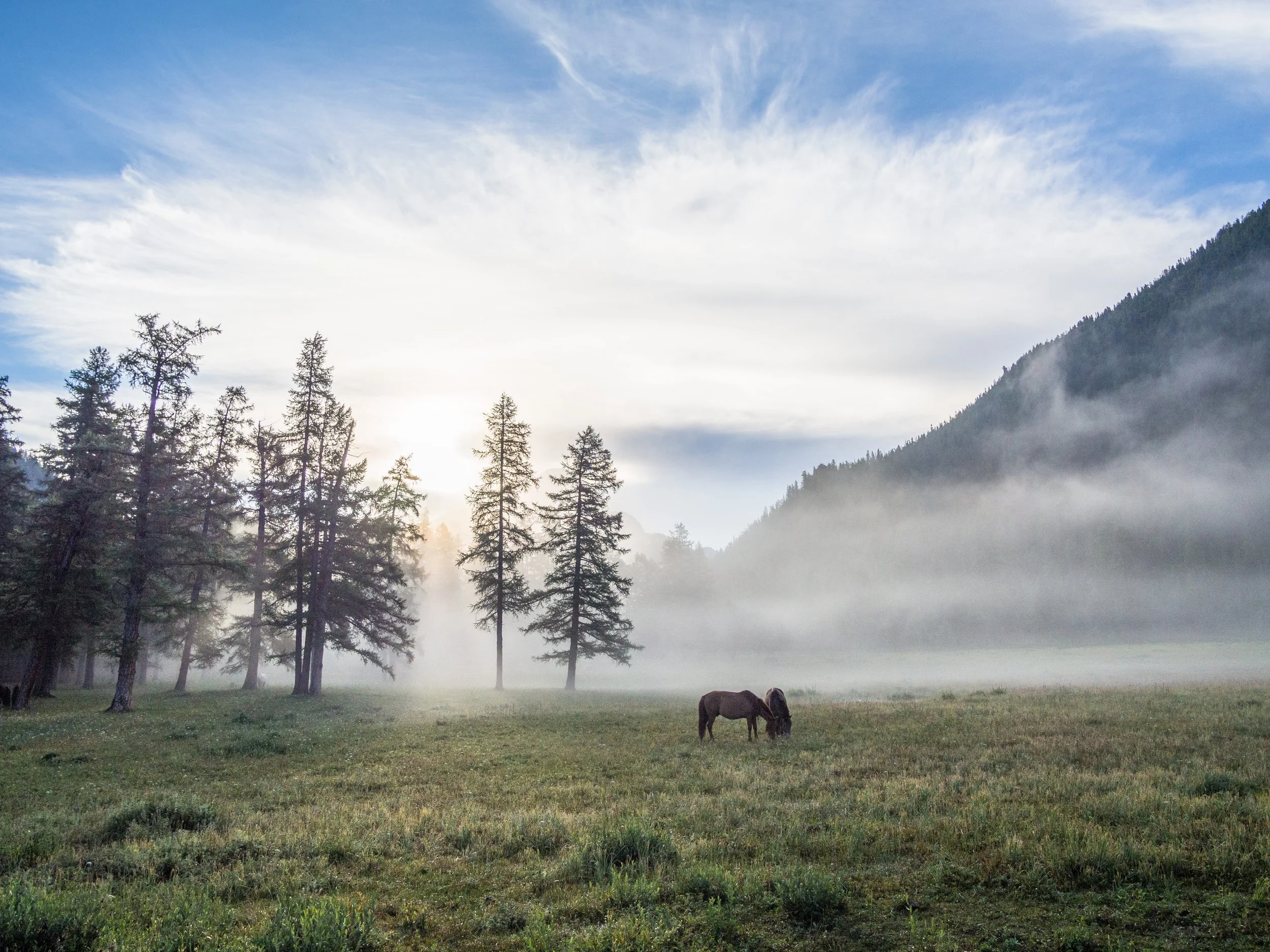
There are few places left in the world where travellers can experience a true sense of vastness and remoteness quite like Mongolia.
The country’s open steppe, dramatic desert landscapes and deeply rooted nomadic traditions create an environment that naturally strips away distraction and reconnects people with the world around them.
For corporate groups and incentive audiences, that can be transformative.
Modern incentive programmes often struggle with overstimulation. Agendas become crowded. Experiences become performative. Attendees leave impressed, but exhausted.
Mongolia offers the opposite.
There is a clarity to the destination that changes group dynamics entirely.
Conversations become more meaningful. Teams become more present. Shared experiences feel more profound simply because there is space to absorb them.
WildMongolia has positioned itself at the centre of this emerging appetite for meaningful adventure.
The company specialises in meticulously curated luxury experiences that preserve the raw authenticity of Mongolia while still delivering the comfort and sophistication expected by high-end travellers.
That balance is critical.
Luxury in Mongolia cannot — and should not — replicate luxury elsewhere.
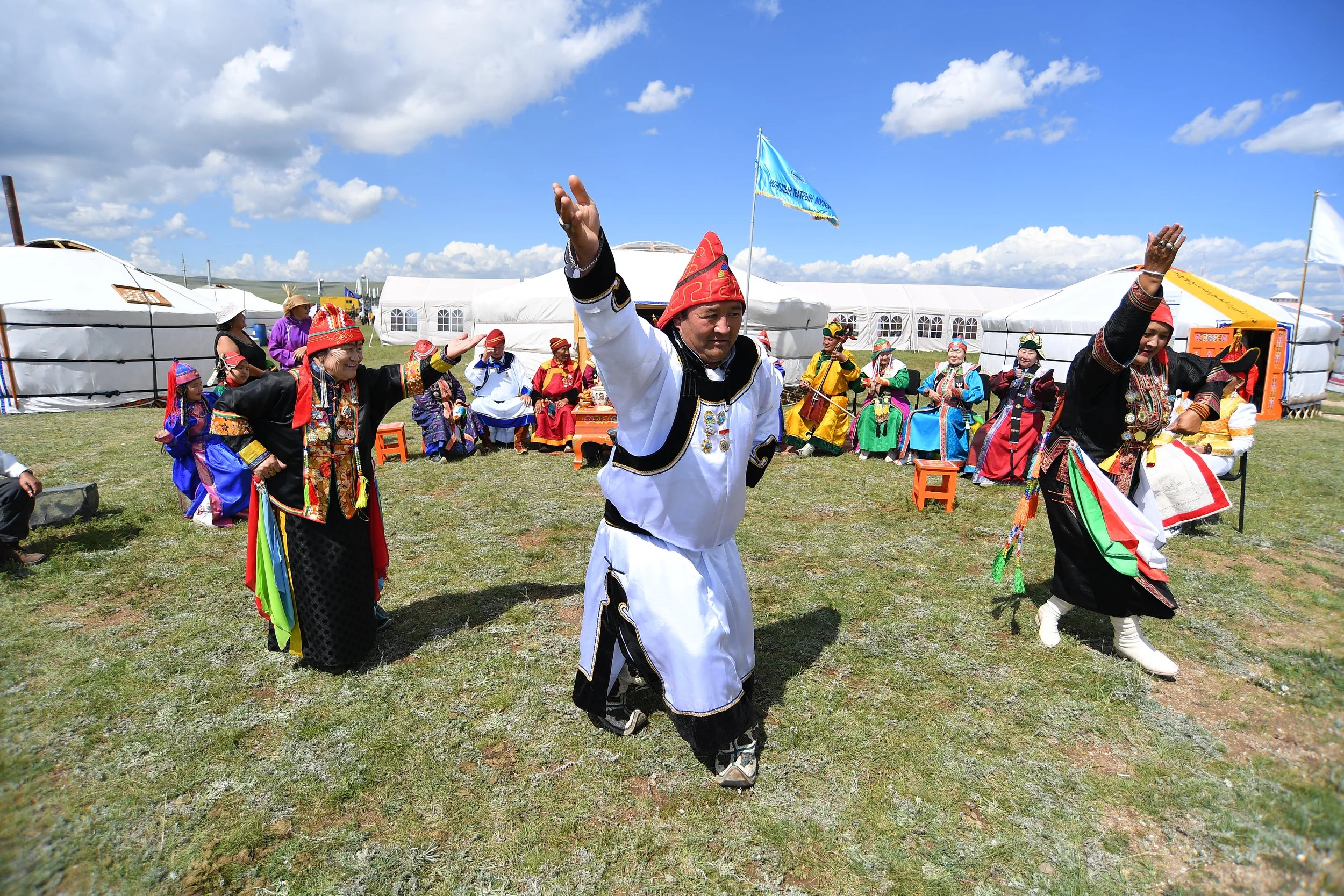
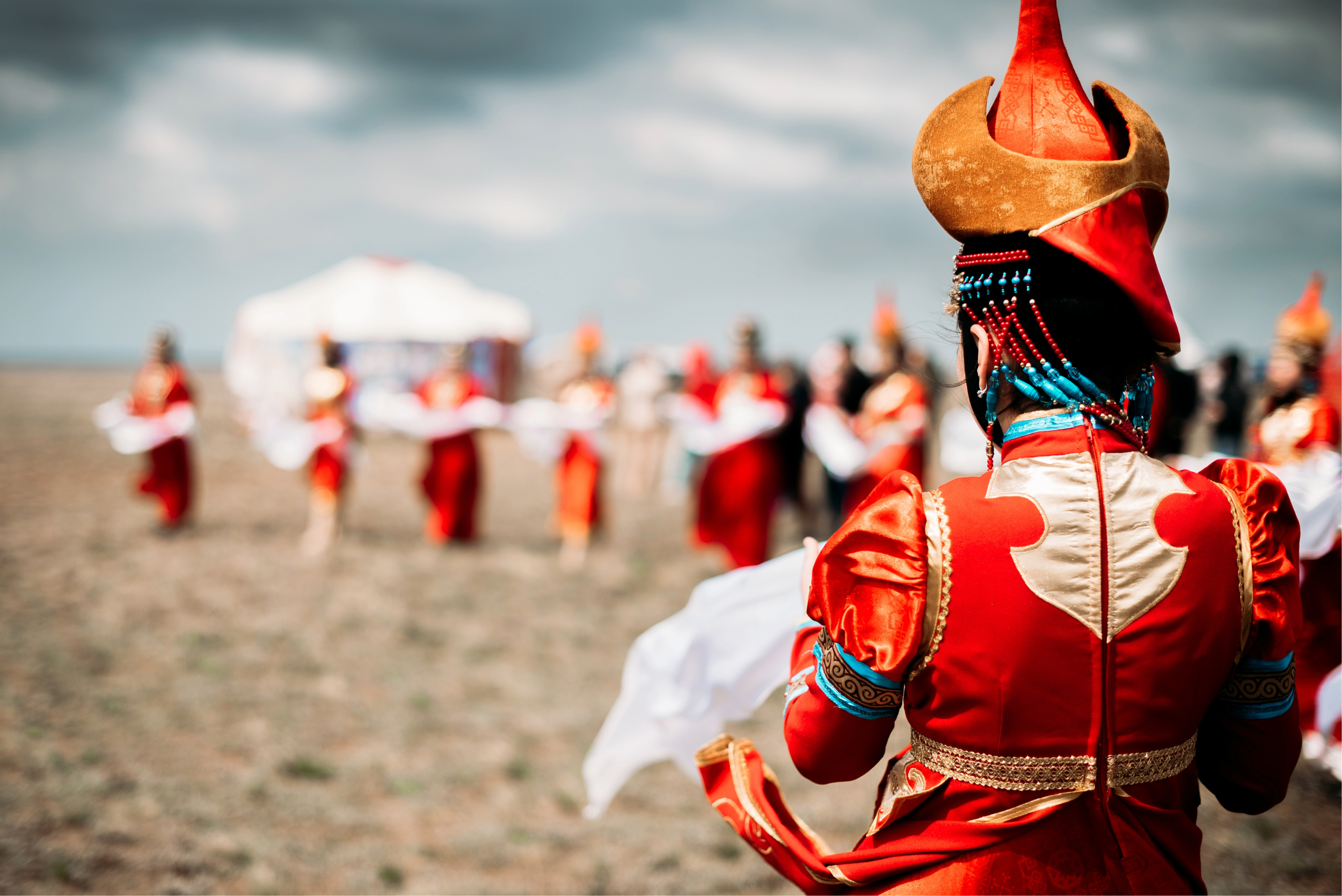
The appeal is not about creating another polished urban experience in the middle of the wilderness. It is about allowing travellers to experience the country’s nomadic culture, landscapes and traditions without diluting their authenticity.
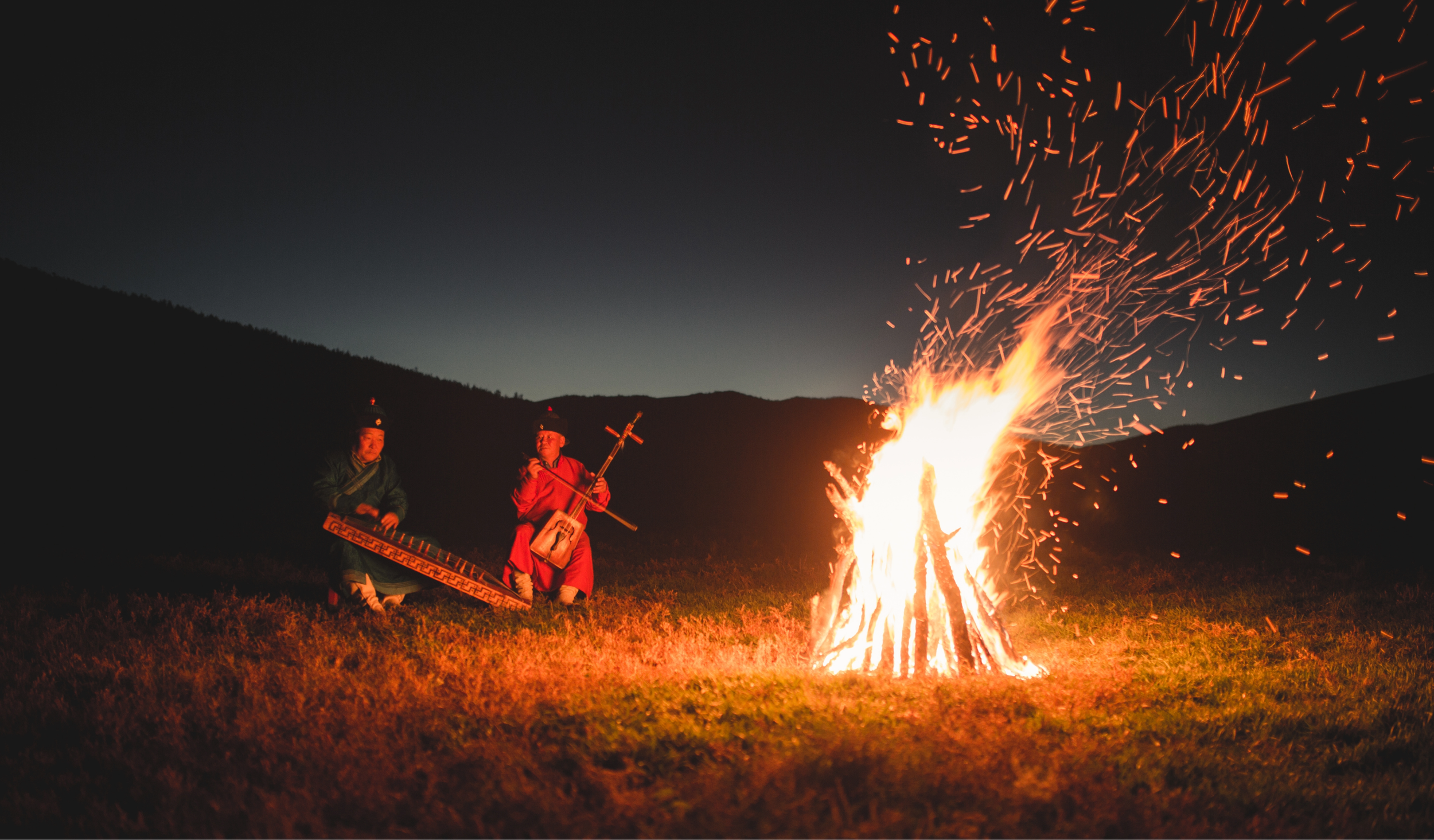
That may involve staying in beautifully designed luxury ger camps rather than conventional hotels, dining on locally inspired cuisine beneath the stars or engaging directly with nomadic families whose lifestyles have remained largely unchanged for generations.
The emotional impact of those moments is difficult to replicate in more traditional luxury destinations.
For incentive planners, Mongolia also offers something increasingly valuable: rarity.
Many attendees have already experienced the established incentive circuit of Europe, the Middle East and Southeast Asia. Mongolia still feels undiscovered.
That sense of pioneering exploration creates a level of excitement and memorability that established destinations often struggle to maintain.
Sustainability That Feels Genuine — Not Performative

Sustainability has become a central conversation across the luxury travel and events industry.
But audiences are increasingly capable of distinguishing between genuine impact and marketing language.
What makes WildChina and WildMongolia particularly compelling is that sustainability is not positioned as an add-on; it is embedded within how they operate.
WildChina, in particular, has long been recognised as a pioneer in sustainable and community-focused travel. The company works closely with local guides, artisans, conservation initiatives and lesser-known communities, helping ensure that tourism directly supports local economies and cultural preservation.
This philosophy resonates strongly within the luxury incentive space.
Modern corporate audiences increasingly want reassurance that the experiences they participate in create positive value for local communities rather than simply extracting from them.
Equally important is the educational aspect.
Programmes designed through WildChina and WildMongolia naturally encourage deeper cultural understanding and human connection, creating experiences that feel more responsible without sacrificing aspiration.
For planners, this creates an important strategic advantage.
Experiences that align with broader corporate values around sustainability, cultural respect and responsible tourism tend to resonate more deeply with attendees and stakeholders alike.
And because these values are woven organically into the journeys themselves, they feel authentic rather than performative.
The Future of Luxury Incentives May Feel More Human
As the incentive industry continues to evolve, there is growing recognition that the most memorable programmes are not always the most extravagant.
Often, they are the ones that make attendees feel something.
That emotional connection may come through awe-inspiring landscapes, meaningful cultural exchange, unexpected conversations or moments of stillness that simply do not exist within everyday corporate life.
China and Mongolia offer those moments naturally.
And WildChina and WildMongolia have built their reputations on understanding how to reveal them in ways that feel elevated, seamless and deeply personal.
For luxury incentive planners searching for destinations that move beyond conventional definitions of luxury, these experiences represent something increasingly valuable: authenticity with substance.
Not authenticity as a trend.
Authenticity as the foundation of truly unforgettable travel.
In a world where many luxury experiences are becoming increasingly standardised, that may be the greatest luxury of all.