
Waldorf Astoria’s Boldest Move Yet? Why Admiralty Arch Has the Industry Watching Closely
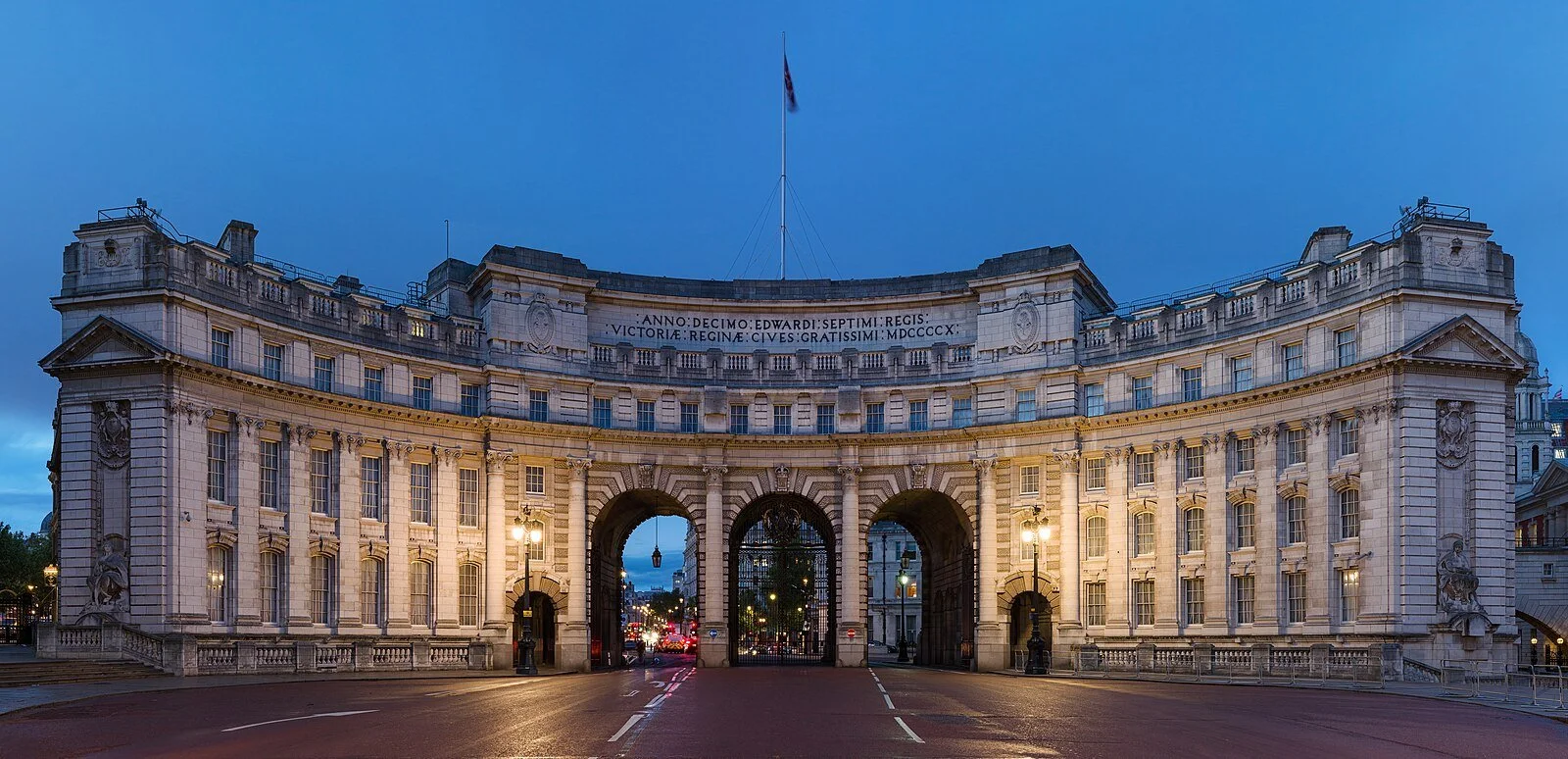
Waldorf Astoria London – Admiralty Arch - Photo credit: DAVID ILIFF Creative Commons License
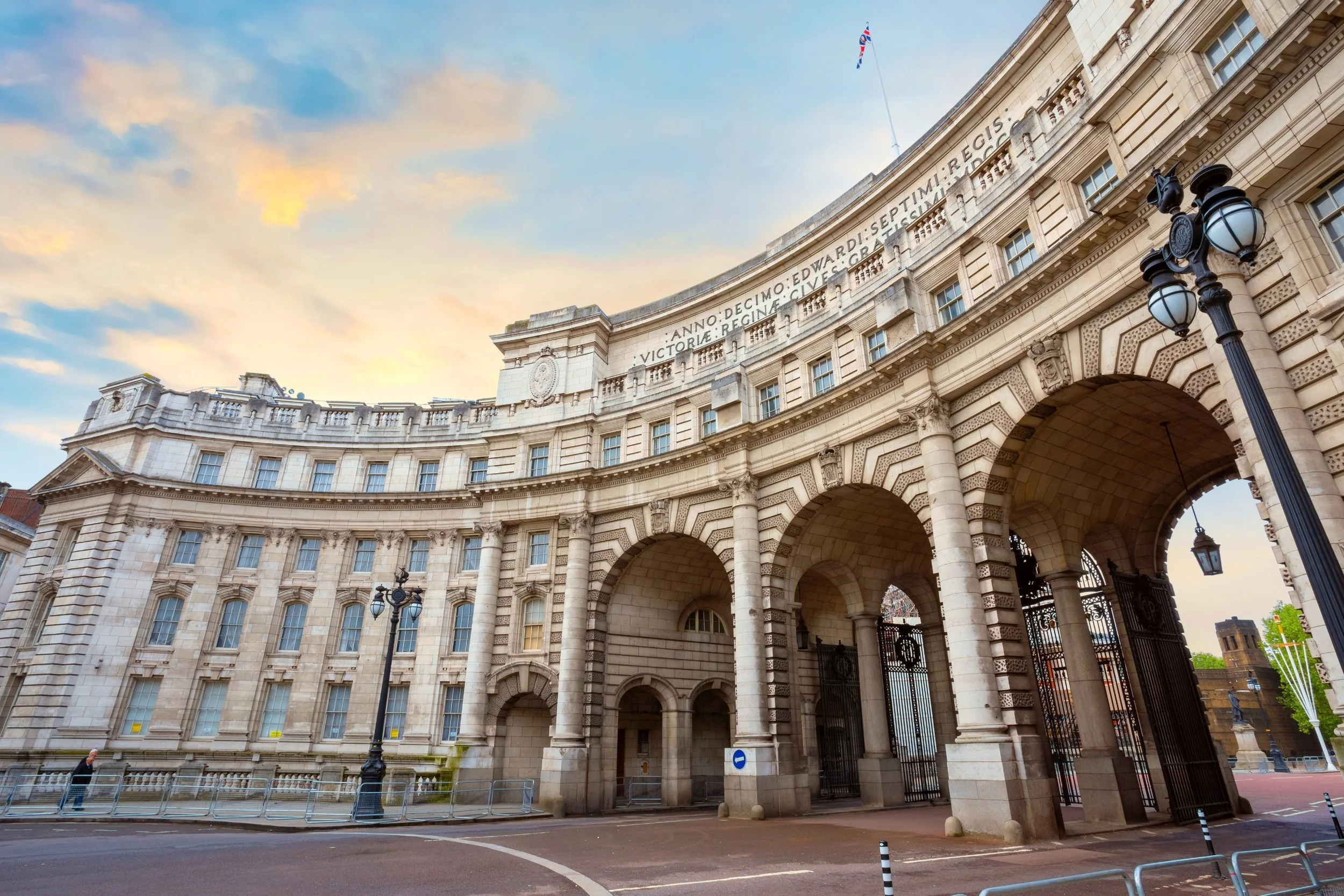
For more than a century, Admiralty Arch has stood as one of London's most recognisable landmarks. Millions have passed beneath its arches on their way to Buckingham Palace, watched royal processions unfold along The Mall, or admired its commanding position between Trafalgar Square and St James's Park. Yet despite occupying one of the most prestigious addresses in Britain, the Grade I-listed building has remained largely inaccessible to the public, its history unfolding behind closed doors as a government office rather than a hospitality destination.
That is about to change.
With Waldorf Astoria Admiralty Arch set to open later this year, this national landmark is poised for an exciting transformation into what could become one of Europe's most compelling destinations for executive events, incentive programmes and high-profile gatherings.
In a city renowned for luxury hospitality, that is no small statement.
A Landmark Address Unlike Any Other
London has spent the last decade strengthening its position at the very top end of the global meetings and incentive market. Landmark openings, significant refurbishments and the continued evolution of experiential travel have given event professionals an increasingly sophisticated portfolio of venues to choose from. Yet for all the city's strengths, one challenge remains consistent: creating something that feels genuinely new.
Not least because London is often a repeat destination. Many of your clients may have stayed at the city's finest hotels, dined in its most celebrated restaurants and attended events in many of its best-known venues. So, how do you plan an event in London that still manages to surprise?
Admiralty Arch arrives with a distinct advantage in that regard. Few hotel openings can claim to offer an entirely new perspective on one of the world's most visited cities. Fewer still can offer guests the opportunity to stay within a building that has been woven into the fabric of British history for more than a hundred years.
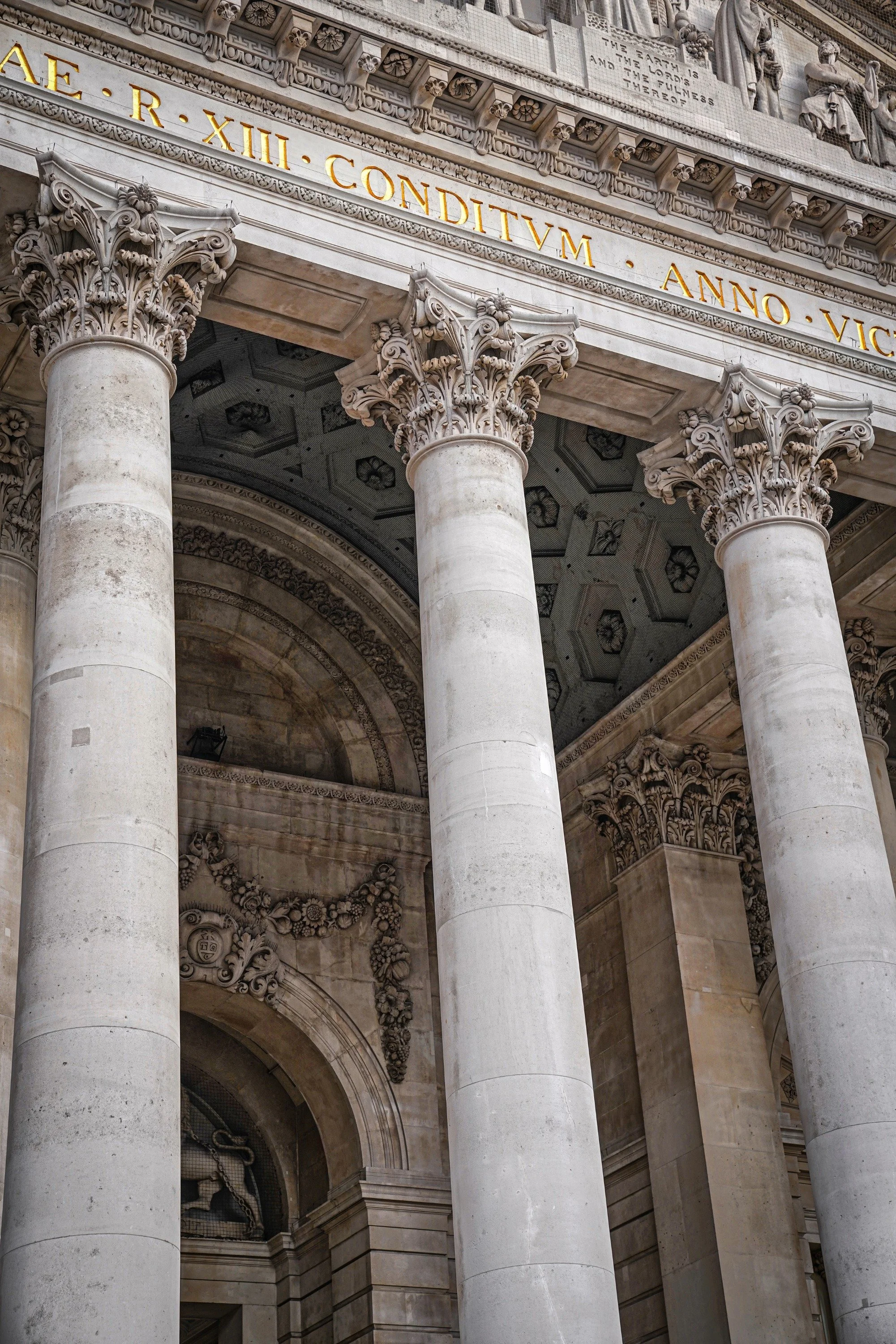
Commissioned by King Edward VII in memory of Queen Victoria and completed in 1912, Admiralty Arch was conceived as a monument to national significance rather than commercial hospitality. Its purpose was ceremonial. Its location symbolic. Positioned as the grand gateway between the political and royal heart of London, it has long occupied a place at the centre of state occasions, celebrations and moments of national importance.
And this is what increasingly drives attendee engagement.
Modern luxury events are no longer defined solely by five-star accommodation or impressive meeting facilities. What differentiates exceptional programmes today is their ability to connect guests with a destination in a way that feels authentic, exclusive and difficult to replicate elsewhere.
An area Admiralty Arch may prove particularly powerful.
A First for Waldorf Astoria
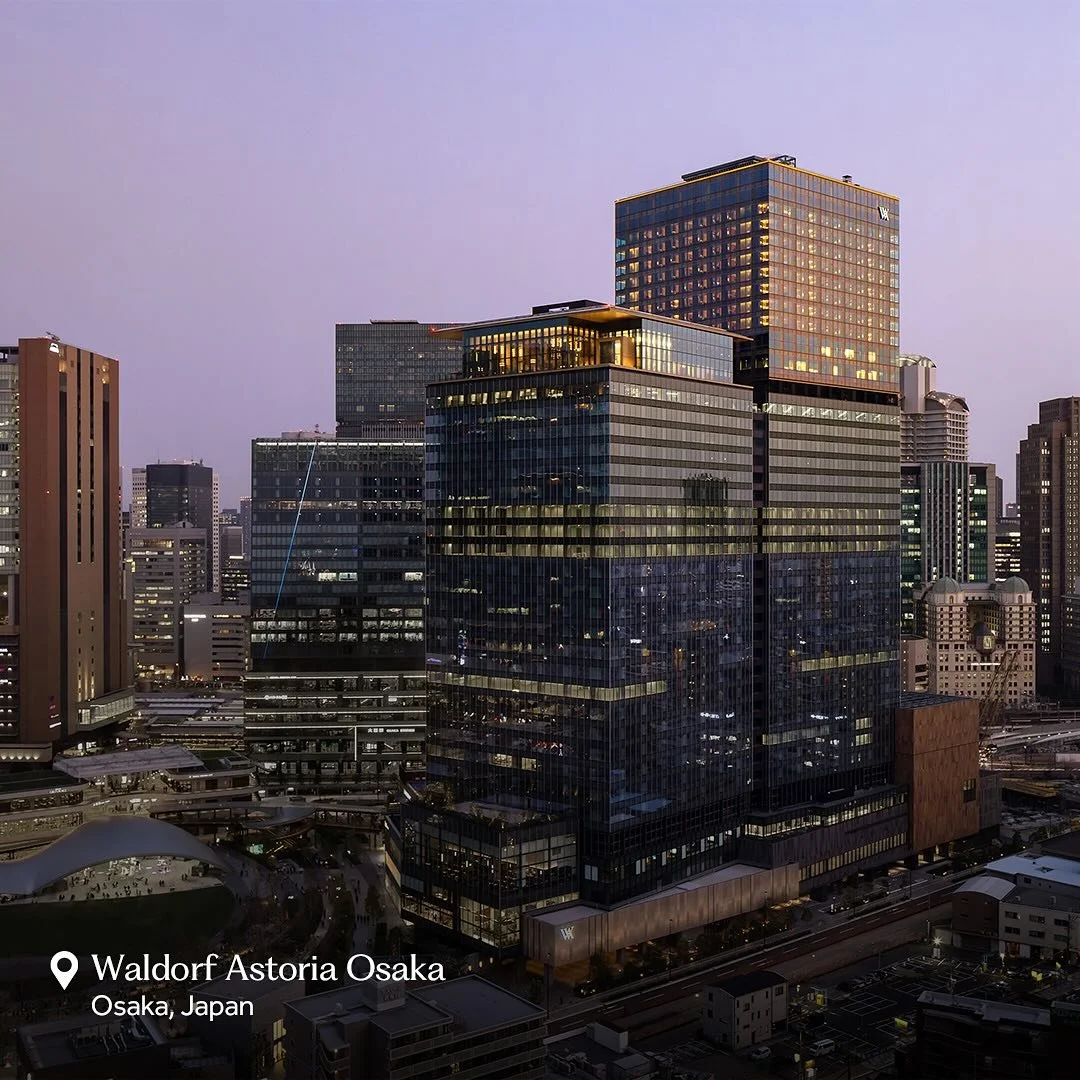
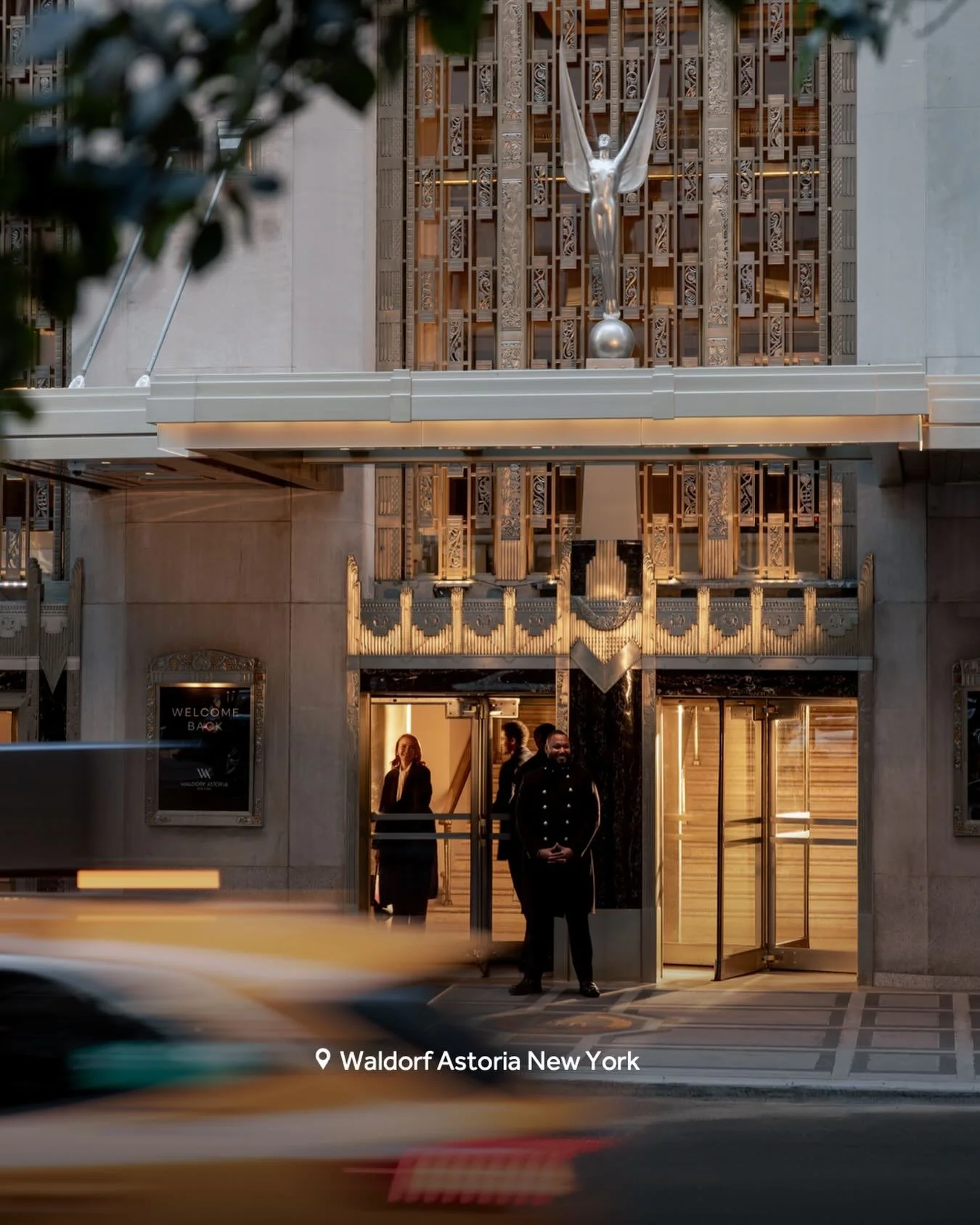
Waldorf Astoria’s arrival into London carries weight in its own right. Despite the brand's global reputation and presence across some of the world's most desirable destinations, London has remained a notable omission from its portfolio. That all changes this year as the capital joining the growing list of gateway cities earmarked for expansion.
With 100 guestrooms and suites, Admiralty Arch will sit comfortably within London's ultra-luxury segment, remaining relatively intimate compared with many of the city's major event hotels.
That dynamic creates opportunities that larger properties sometimes struggle to accommodate. Executive leadership retreats, incentive programmes for top performers, board meetings and client appreciation events all benefit from a greater sense of exclusivity. Delegates are more likely to encounter one another throughout the property. Shared spaces feel more personal. Service teams gain a deeper understanding of individual preferences. The atmosphere naturally lends itself to relationship-building, which remains one of the primary reasons organisations continue to invest in face-to-face events.
Explore more of the collection
A Ballroom Designed for High-Impact Events
At the same time, the hotel has been designed with a level of event capability that extends well beyond its room count. Plans include a 320-cover ballroom and reception space, signalling clear ambitions within London's luxury events market. While details regarding meeting facilities are still emerging, the scale of the ballroom suggests a venue capable of hosting everything from gala dinners and awards ceremonies to high-profile launches and private celebrations.
When it comes to events, this combination is particularly appealing. Intimate accommodation paired with substantial event space opens the door to a wide range of programme formats. A group may occupy a significant proportion of the hotel while still hosting a larger gathering that incorporates local guests, clients or stakeholders. In a market where flexibility is increasingly valuable, that balance is likely to attract attention.
The Rise of Culinary-Led Event Destinations
Hotels across the luxury sector have spent the past decade rethinking the role of gastronomy within the overall guest experience. The best restaurants are no longer viewed as hotel amenities but as destinations and venues in their own right, drawing locals and celebrities around the world as well as their overnight guests.
And with the appointment of Clare Smyth and Daniel Boulud, it’s clear Admiralty Arch are strong contenders in that field. Smyth, with her three-Michelin-starred Core in Notting Hill, has become one of the defining voices of modern British fine dining, while Boulud’s name carries decades of influence and acclaim as one of the greatest living chefs in America. Together, they bring genuine gravitational pull - not to mention the seven Michelin stars they share between them.
Each will lead a signature restaurant within the hotel, forming the backbone of a wider F&B landscape that reads more like a standalone dining district than a typical hotel offering. An all-day restaurant, a terrace designed for long, social evenings, a rooftop brasserie set above the capital, and an underground bar rooted in the building’s history all add layers to the experience. The latter, drawing inspiration from figures such as Winston Churchill and Ian Fleming, leans into storytelling in a way few hotel bars ever manage.
For MICE events this creates opportunities to build richer programmes without leaving the property:
· Private chef experiences.
· Executive dining events.
· Wine pairings.
· VIP tasting menus.
· Restaurant buyouts.
· Interactive culinary activations.
The strongest incentive programmes increasingly blur the line between accommodation and experience and Admiralty Arch appears designed around that philosophy from day one.
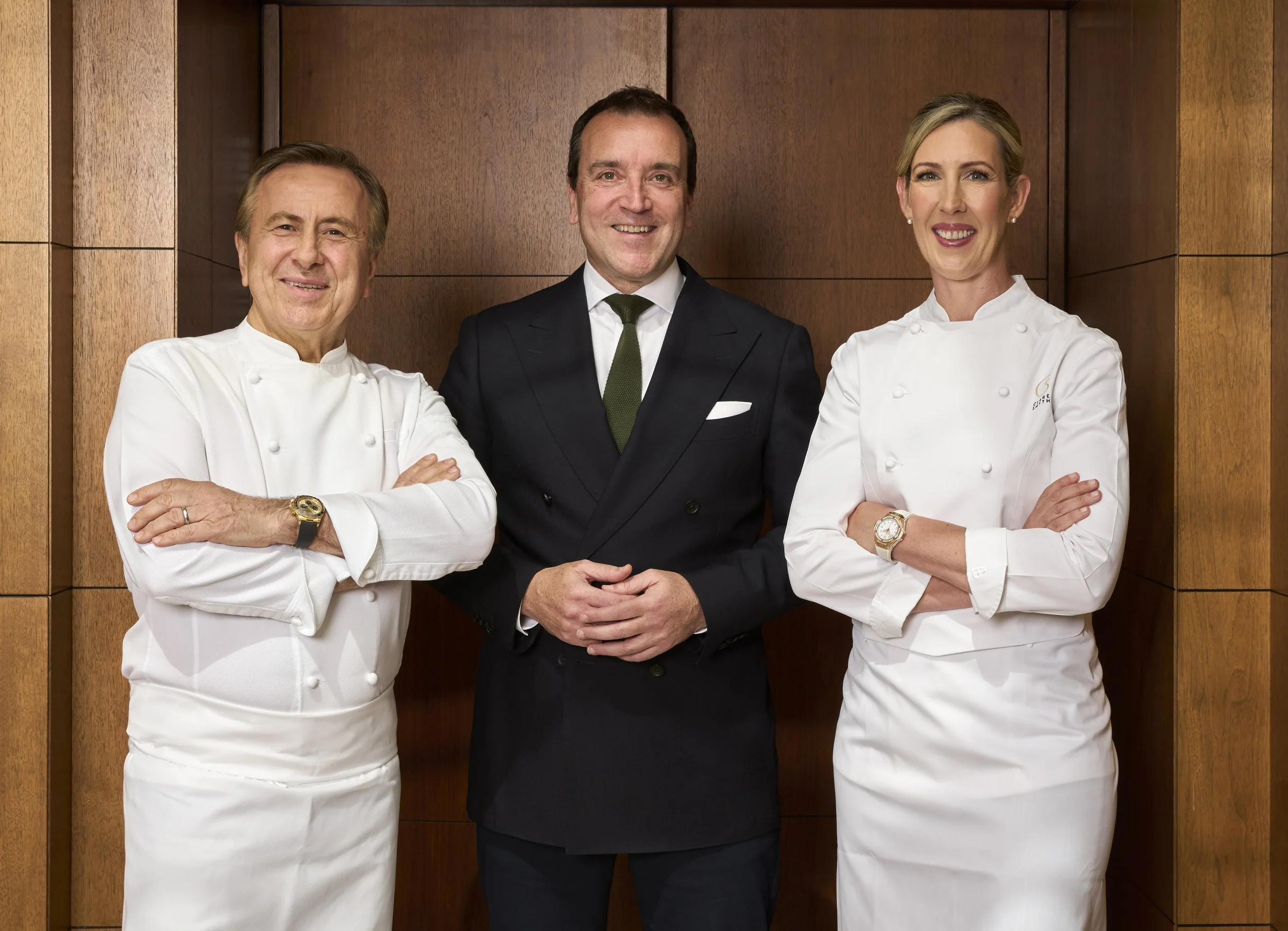
Waldorf Astoria London – Admiralty Arch - Daniel Boulud and Clare Smyth
A Shift in London’s MICE Offering
London has occasionally faced criticism from incentive planners who view the city primarily as a meetings destination rather than a reward destination. That perception has been shifting. The combination of luxury hospitality investment, cultural experiences, private access opportunities and world-class dining has strengthened London's incentive appeal considerably.
And Admiralty Arch reaffirms this position.
Its location places guests within walking distance of many of London's defining landmarks, cultural institutions and luxury shopping districts. St James's, Mayfair, Westminster and the West End all sit on its doorstep.
Consider the possibilities:
· Private access experiences around St James's.
· Royal-themed programmes.
· Exclusive dining within the hotel.
· Luxury shopping itineraries.
· West End buyouts.
· Private museum openings.
· Thames experiences.
· VIP sporting events.
The Power of Storytelling in Event Design
Perhaps the greatest value of Admiralty Arch lies in something less tangible. Narrative. The most successful events are rarely remembered because of room dimensions or meeting layouts. They're remembered because attendees feel part of a story.
Admiralty Arch offers this in abundance:
· Royal connections.
· Political significance.
· Architectural heritage.
· Government legacy.
· National symbolism.
Even the planned underground bar will draw inspiration from famous former residents, including Winston Churchill and Ian Fleming.
This can all be weaved into the overall event design – as themes, talking points, content opportunities and experiential layers, incorpoating elements of British history and culture without feeling forced.
What To Watch Out For
As opening day approaches, we’ll all no doubt be watching closely for further details around meeting facilities, private dining spaces, suite inventory and buyout opportunities.
Yet even at this stage, the broader appeal is clear. For event professionals seeking venues that deliver genuine differentiation, the property has all the ingredients to become one of the most talked-about openings of the decade.