
Michelin Is Here: What It Means for New Zealand’s Culinary Incentive Scene
The incentive travel landscape is evolving fast – and so are expectations. Today’s top performers don’t just want exceptional dining; they want experiences with a story, a sense of place, and something they can’t replicate anywhere else.
Now, New Zealand is stepping firmly into the global spotlight. With the arrival of the Michelin Guide, Aotearoa’s already thriving food scene is set to gain a new level of international attention – and with it, a fresh wave of demand.
For incentive planners, this event marks a compelling opportunity. Michelin’s presence will cast a spotlight on the country’s farm-to-table ethos, world-class wines, and distinctive regional cuisine – opening the door to a new wave of culinary-led experiences.

Why Culinary Experiences Matter in Incentive Travel
Food has always played an important role in incentive programs, but it is evolving.
Now it’s all about:
Connecting you to local culture and traditions
Showcasing regional ingredients and producers
Encouraging social interaction and shared discovery
Providing memorable storytelling moments
Whether it’s wine tasting in a vineyard, sharing seafood by the coast, or taking part in a traditional Māori feast, culinary moments naturally bring people together. They create connection, conversation, and memory in a way few other experiences can.
In New Zealand, that storytelling runs deep – shaped by land, sea, and a strong sense of place.
With over 14,000 kilometres of coastline, fertile farmland, and globally recognised wine regions, the country offers a culinary landscape that feels both premium and refreshingly unpretentious.
A Destination Defined by Its Ingredients
One of the defining strengths of New Zealand cuisine is its access to exceptional local produce.
From ocean-fresh seafood to grass-fed lamb and artisan cheeses, the country’s culinary identity is rooted in quality ingredients and a simple preparation that allows natural flavours to shine.
Seafood & Coastal Dining
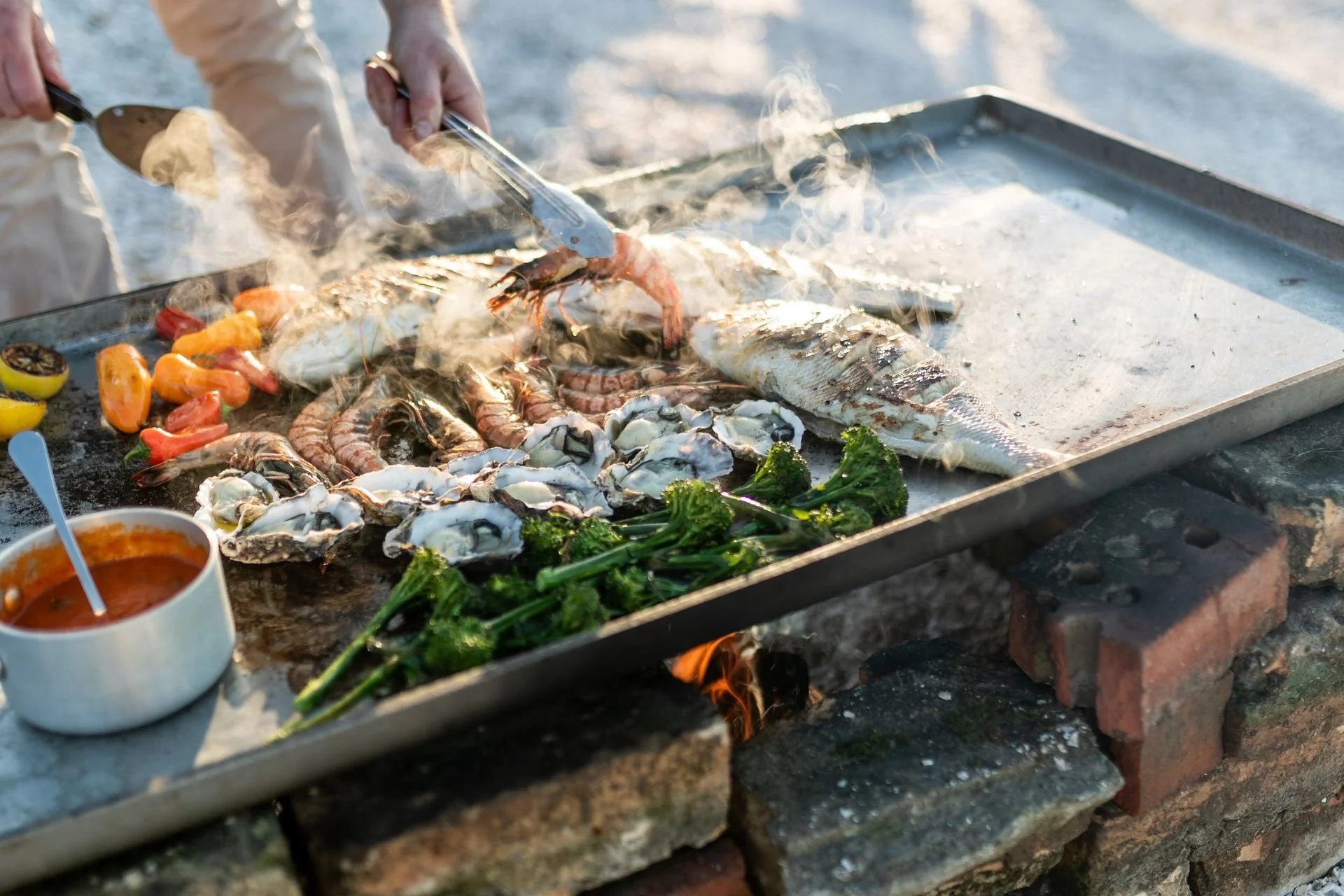
With its vast coastline, New Zealand is home to some of the freshest seafood in the world.
The town of Kaikōura is renowned for its crayfish with one of the most iconic stops being Nin’s Bin. Here the crayfish is served from small coastal seafood caravans across the shoreline by a local family who have been selling crayfish there since 1977.
Elsewhere, creamy green-lipped mussels from Marlborough and king salmon from the Mount Cook region feature prominently on restaurant menus throughout the country.
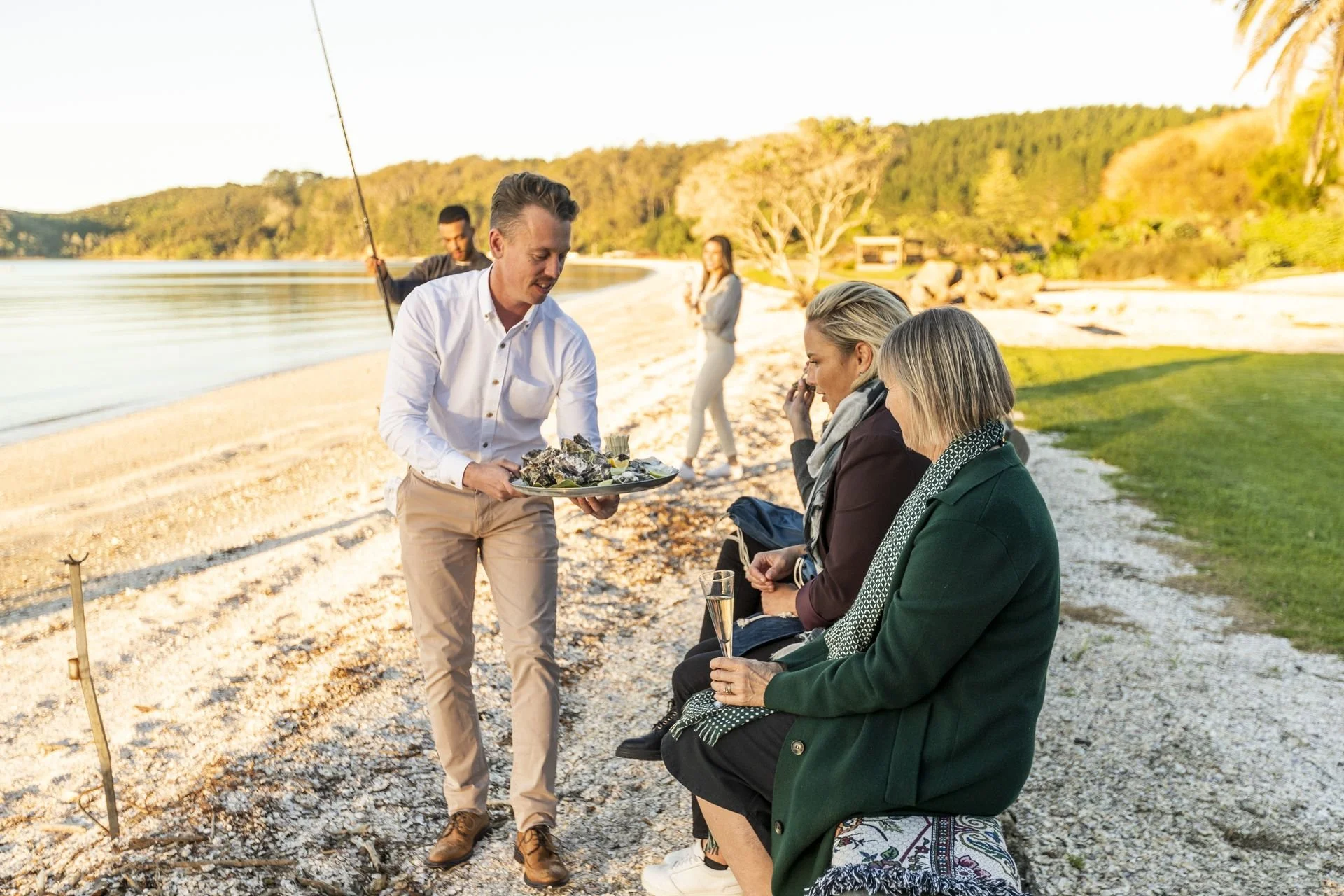
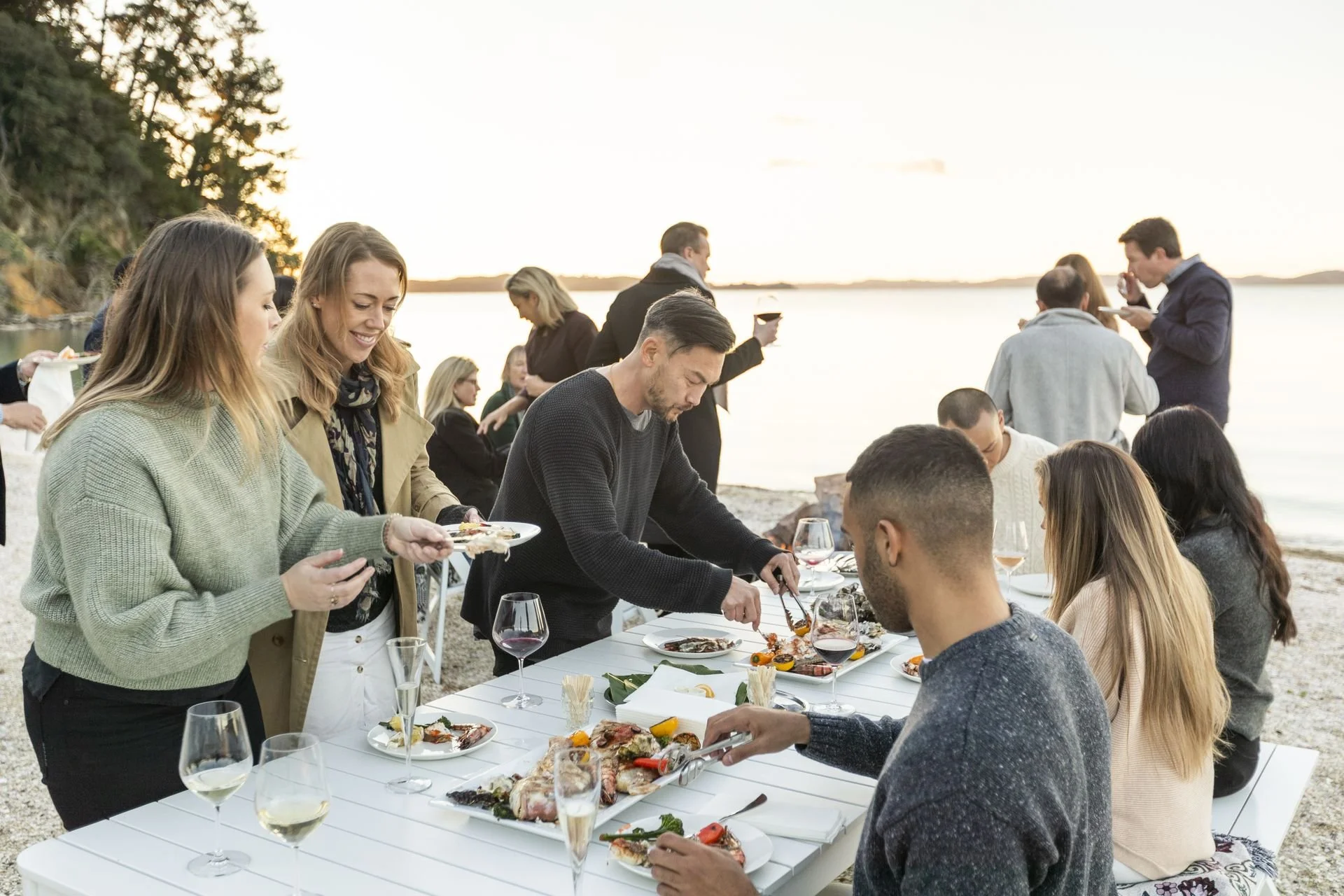
For incentive groups, coastal seafood experiences provide a relaxed yet premium setting.
Recommended experience:
A private seafood tasting along the Kaikōura coastline, where delegates enjoy freshly caught crayfish paired with regional wines while overlooking the Pacific Ocean.
New Zealand Lamb
Few ingredients carry global recognition, like New Zealand lamb— and for good reason.
Raised on open pasture, it’s known for its quality, flavour, and consistency. But what makes it stand out in an incentive setting is its simplicity.
Prepared with minimal intervention — often just herbs and seasonal vegetables — it reflects the wider New Zealand approach: let the product do the talking.
Recommended experience:
A vineyard dinner featuring slow-roasted lamb paired with regional wines and panoramic views across Central Otago.
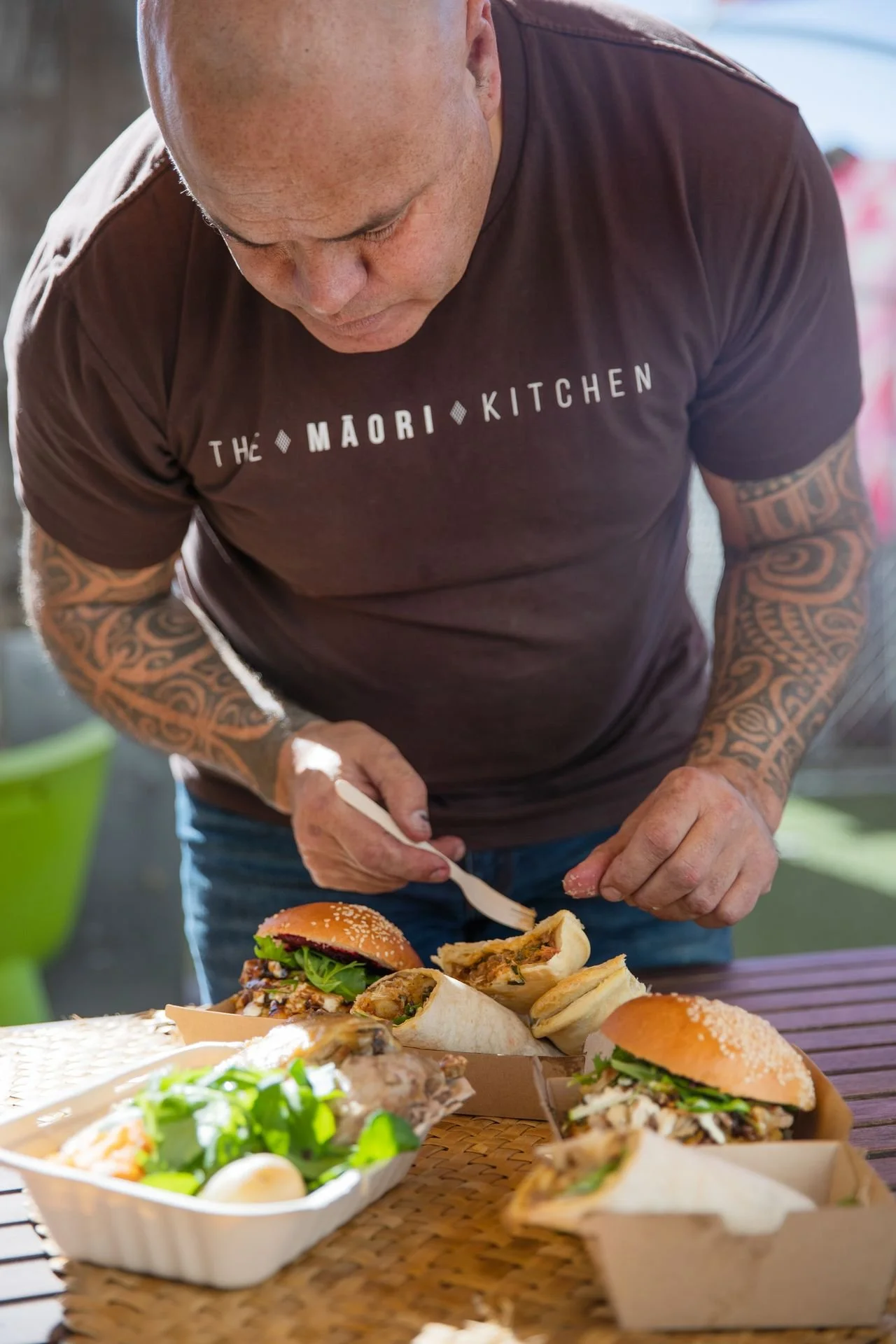
Māori Cuisine: Cultural Storytelling Through Food
For incentive planners seeking deeper cultural engagement, traditional Māori cuisine provides one of the most meaningful culinary experiences in New Zealand.
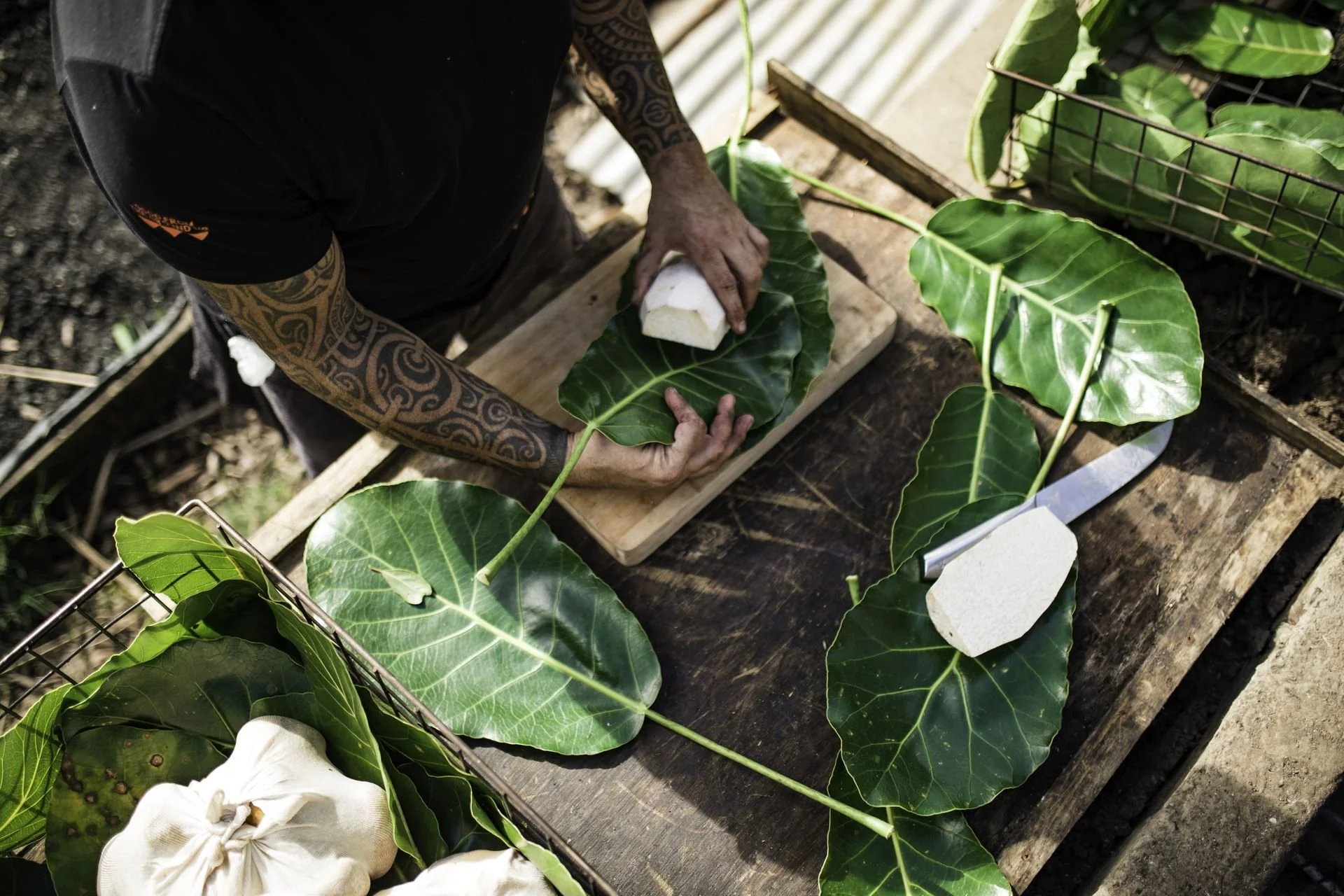
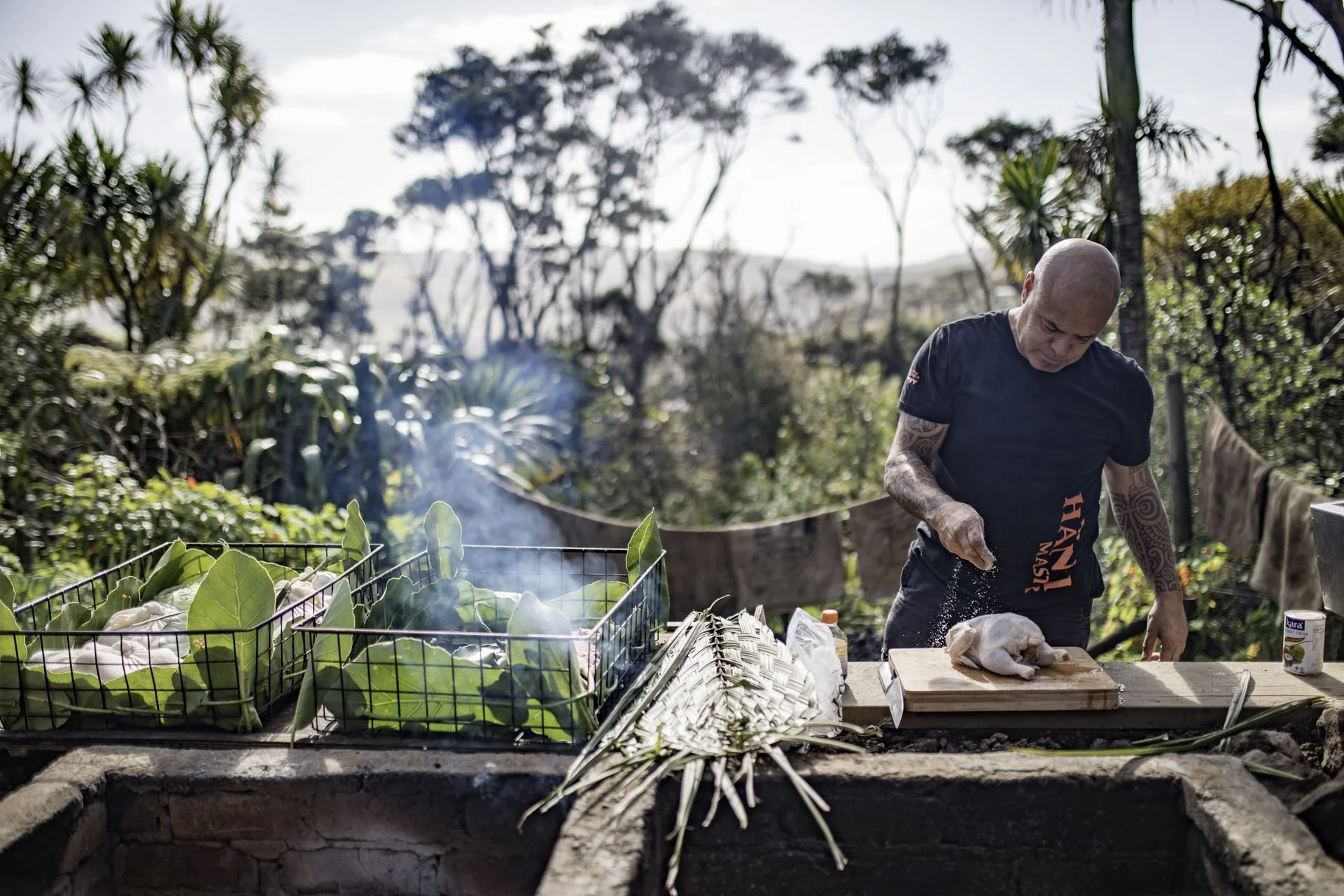
The hāngī is a traditional Māori earth oven used to slow-cook food on heated stones buried in the ground. Ingredients such as chicken, pork, lamb, pumpkins, potatoes, and kūmara are placed in baskets and cooked slowly underground, creating rich, smoky flavours.
While historically a communal cooking method used for special occasions, today the hāngī remains an important cultural experience that brings people together through food.
Rotorua, located in the central North Island, is one of the best places to experience this tradition. Here, geothermal activity also allows food to be cooked using naturally heated steam vents and pools.
Recommended experience:
An evening cultural programme in Rotorua where delegates enjoy a traditional hāngī feast alongside Māori storytelling and performance, creating a powerful introduction to New Zealand heritage.
Regional Wine Experiences: North Island & South Island
New Zealand’s wine scene has quietly become one of its biggest assets – and now, it’s impossible to ignore.
For incentive programmes, wine regions deliver the perfect mix of exclusivity, scenery, and experience-led design.
North Island Wine Regions
The North Island is home to several well-established wine regions, each offering distinctive terroir and elegant hospitality.
Hawke’s Bay is one of New Zealand’s oldest wine regions and is particularly known for its Bordeaux-style red wines. Its vineyard estates and cellar doors offer refined tasting experiences paired with exceptional regional cuisine.
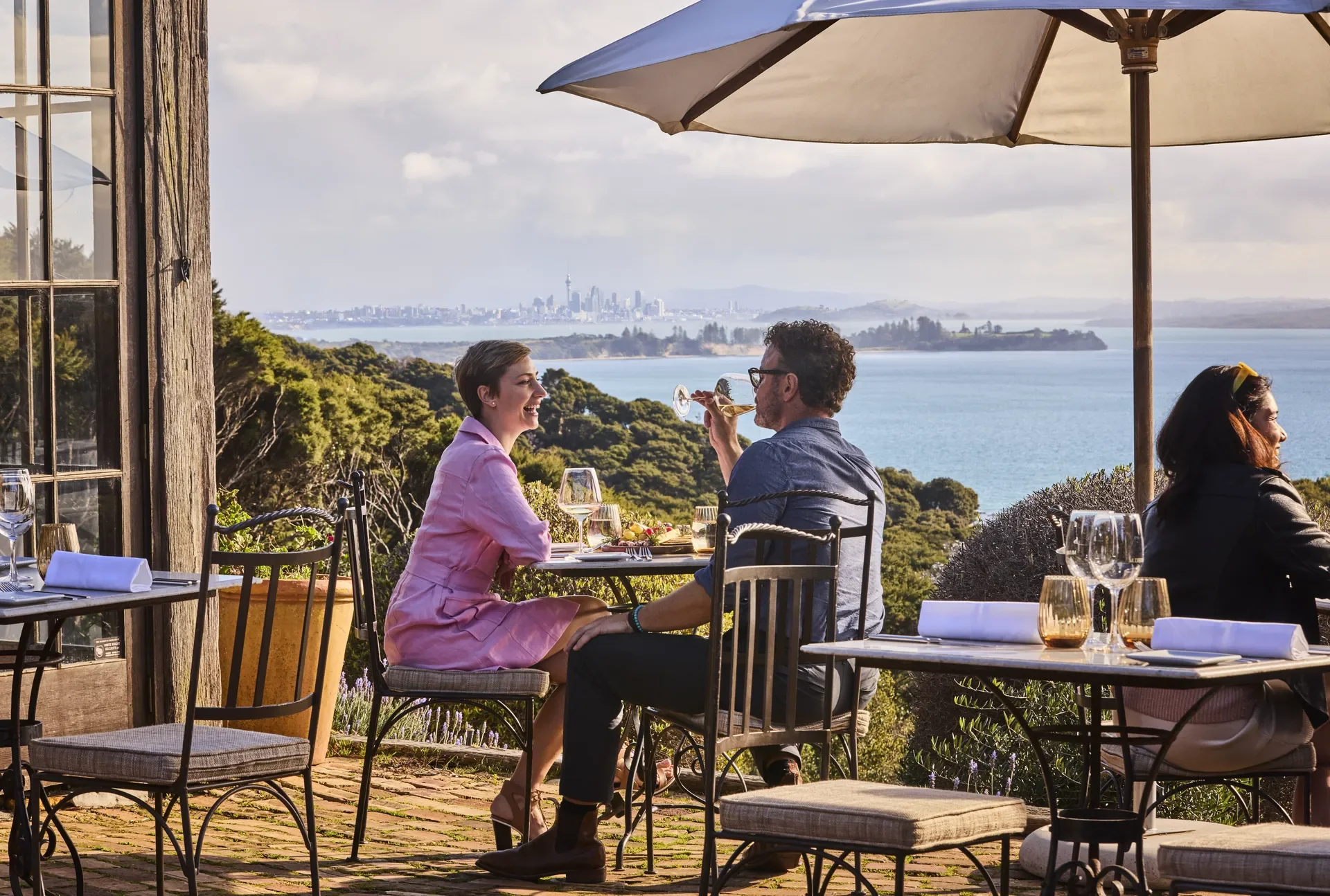
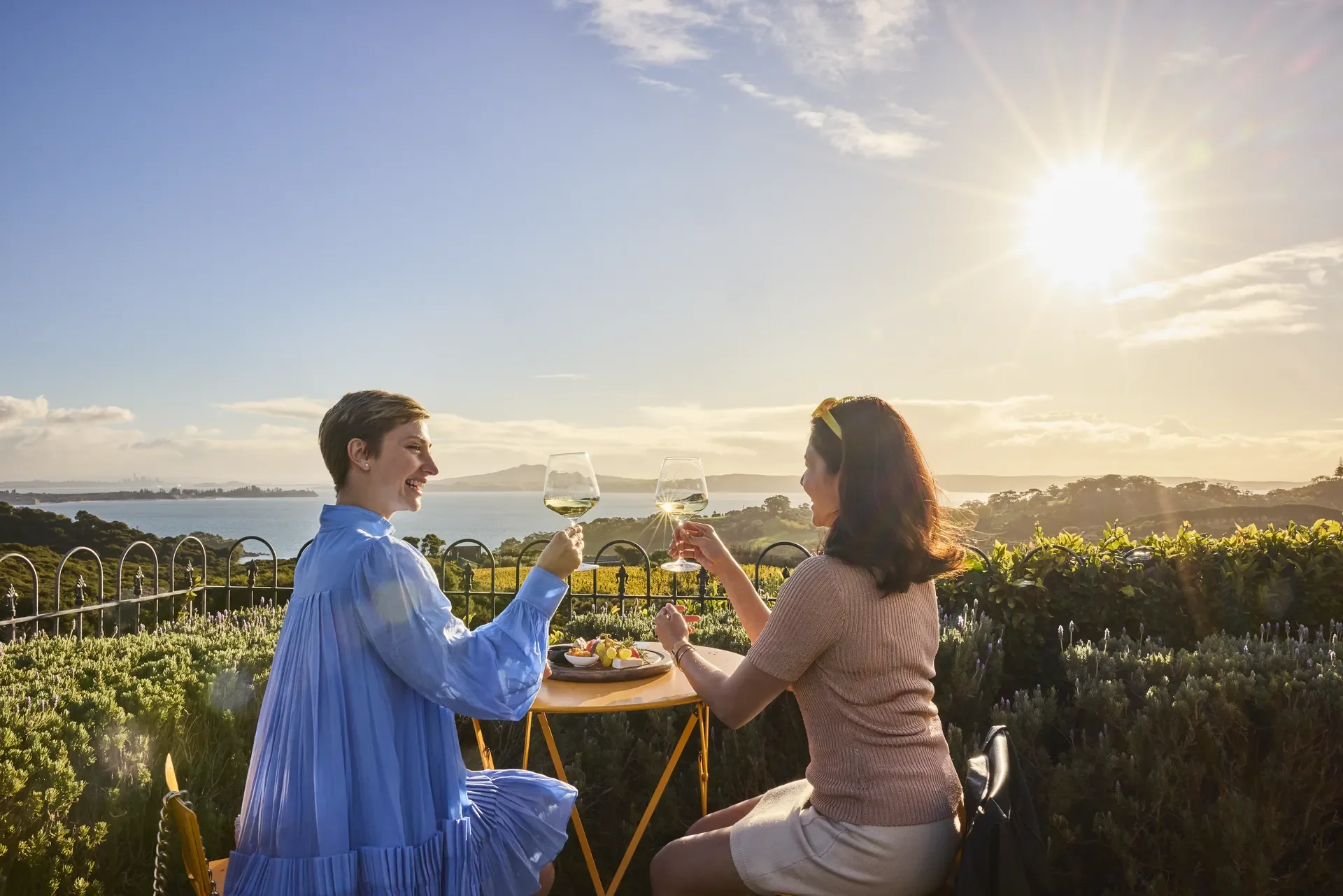
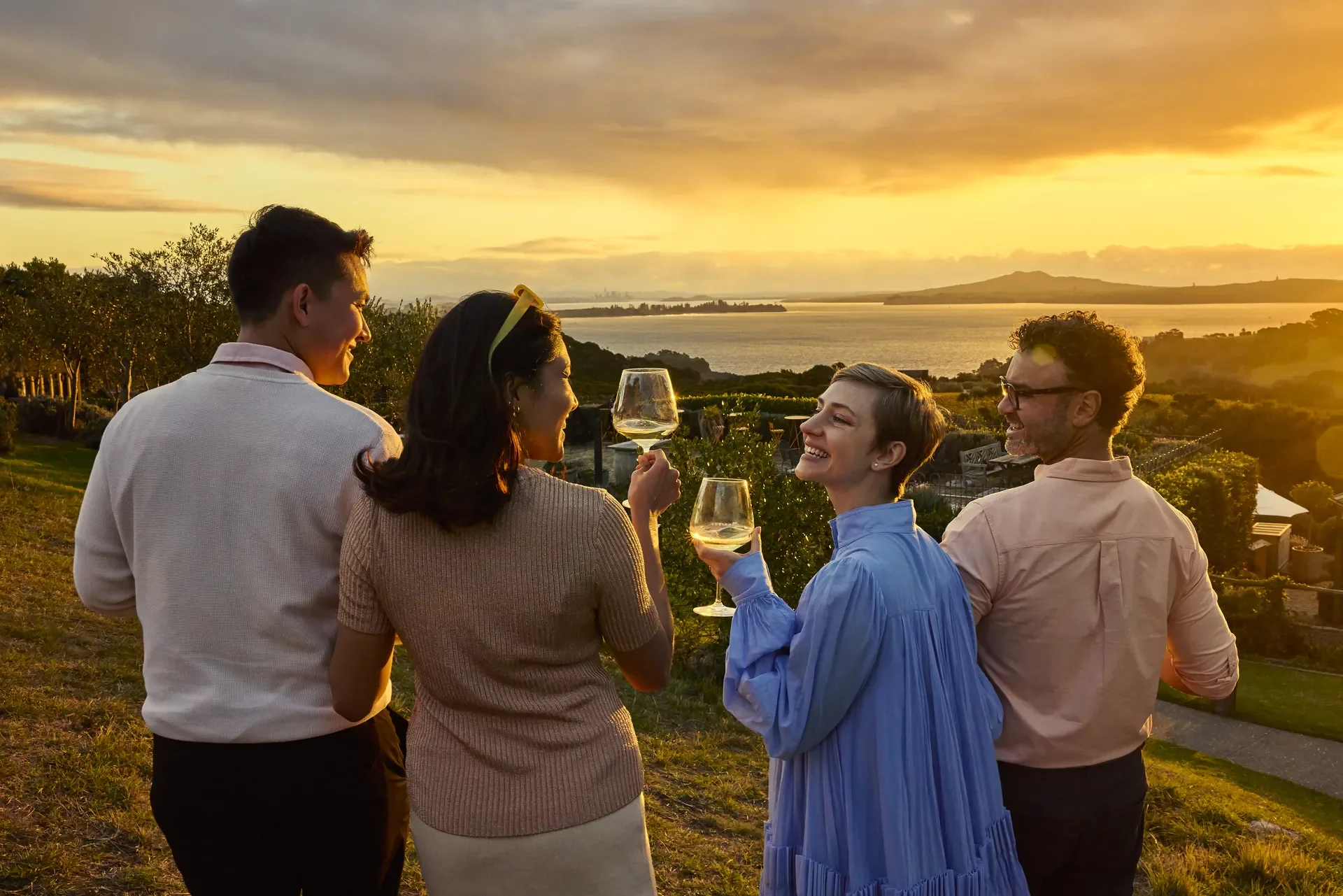
Just a short ferry ride from Auckland, Waiheke Island has become one of the country’s most popular wine destinations. With boutique wineries overlooking the ocean, it provides an ideal setting for relaxed yet luxurious incentive experiences.
Recommended experience:
A vineyard-hopping experience on Waiheke Island where delegates enjoy guided tastings followed by a private lunch overlooking the Hauraki Gulf.
South Island Wine Regions
The South Island hosts two of New Zealand’s most internationally recognised wine regions.
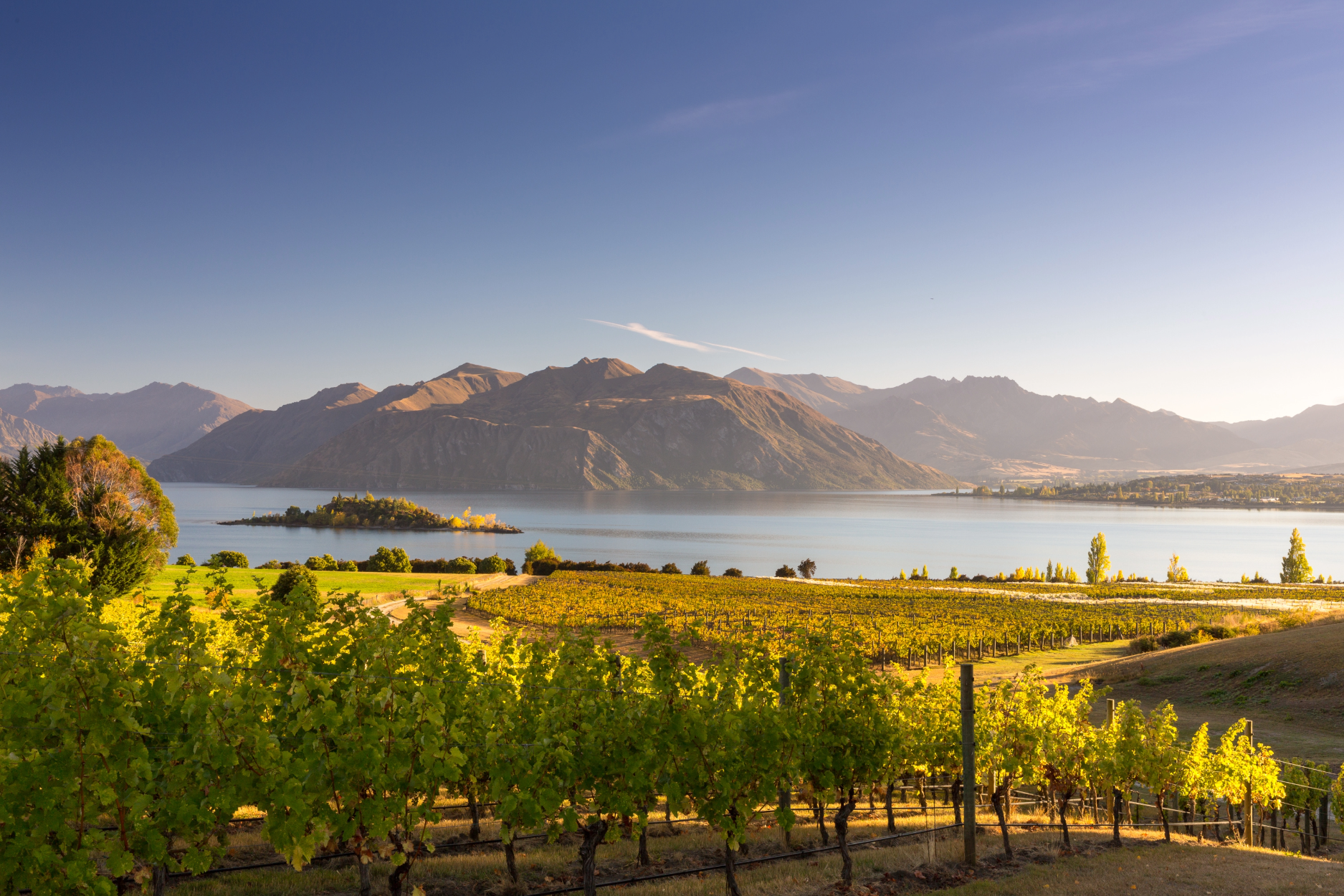
Marlborough is world-famous for its vibrant sauvignon blanc, while Central Otago produces some of the world’s finest pinot noir, grown among dramatic alpine landscapes.
These regions combine award-winning wines with striking scenery, creating unforgettable settings for incentive events.
Recommended experience:
A private wine tasting in Central Otago followed by a sunset dinner among the vines.

Classic Kiwi Favourites: Casual Dining with Character
Not every culinary experience needs to be formal. Some of the most memorable moments often come from the country’s relaxed food culture.
Fish and chips remain one of New Zealand’s most beloved takeaway meals. Fresh fish is coated in crispy batter and served with hot chips, often accompanied by fresh bread and tomato sauce. Enjoyed by the beach on a warm summer evening, it offers visitors an authentic taste of everyday Kiwi life.
Outdoor cooking is also central to the local lifestyle. The Kiwi barbecue – or “barbie” as it’s often known – brings together friends and family to cook meats such as lamb, beef, sausages and seafood alongside salads and fresh seasonal vegetables.
In Queenstown, groups can experience this tradition in spectacular settings either outdoor or indoor like the gourmet BBQ experience at Walter Peak High Country Farm overlooking Lake Whakatipu.
For incentive groups, these moments offer balance – creating contrast to more elevated dining while still delivering a strong sense of place.
Sweet Treats, Artisan Produce and Local Specialities
Beyond savoury dining, New Zealand’s food scene is rich with personality.
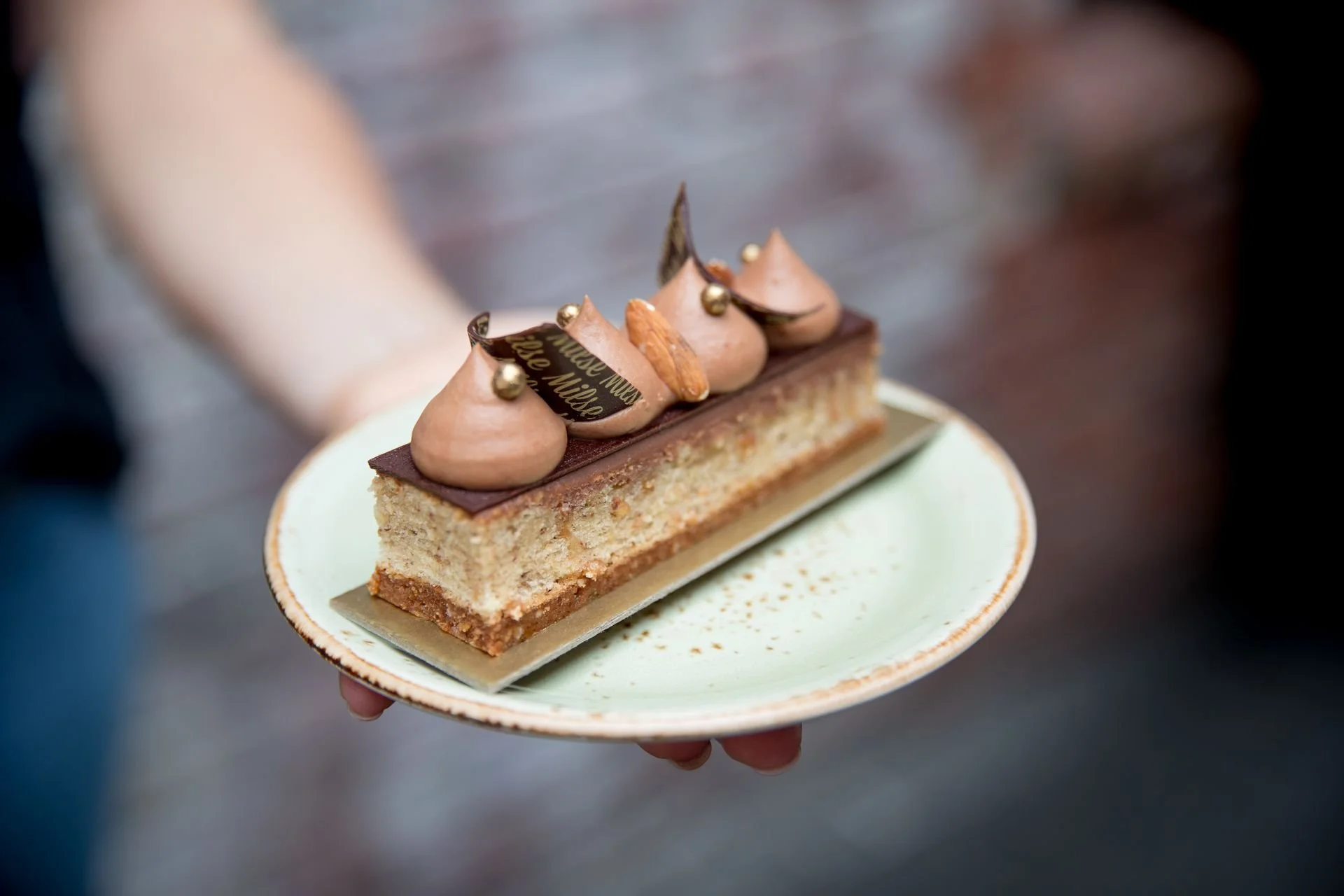
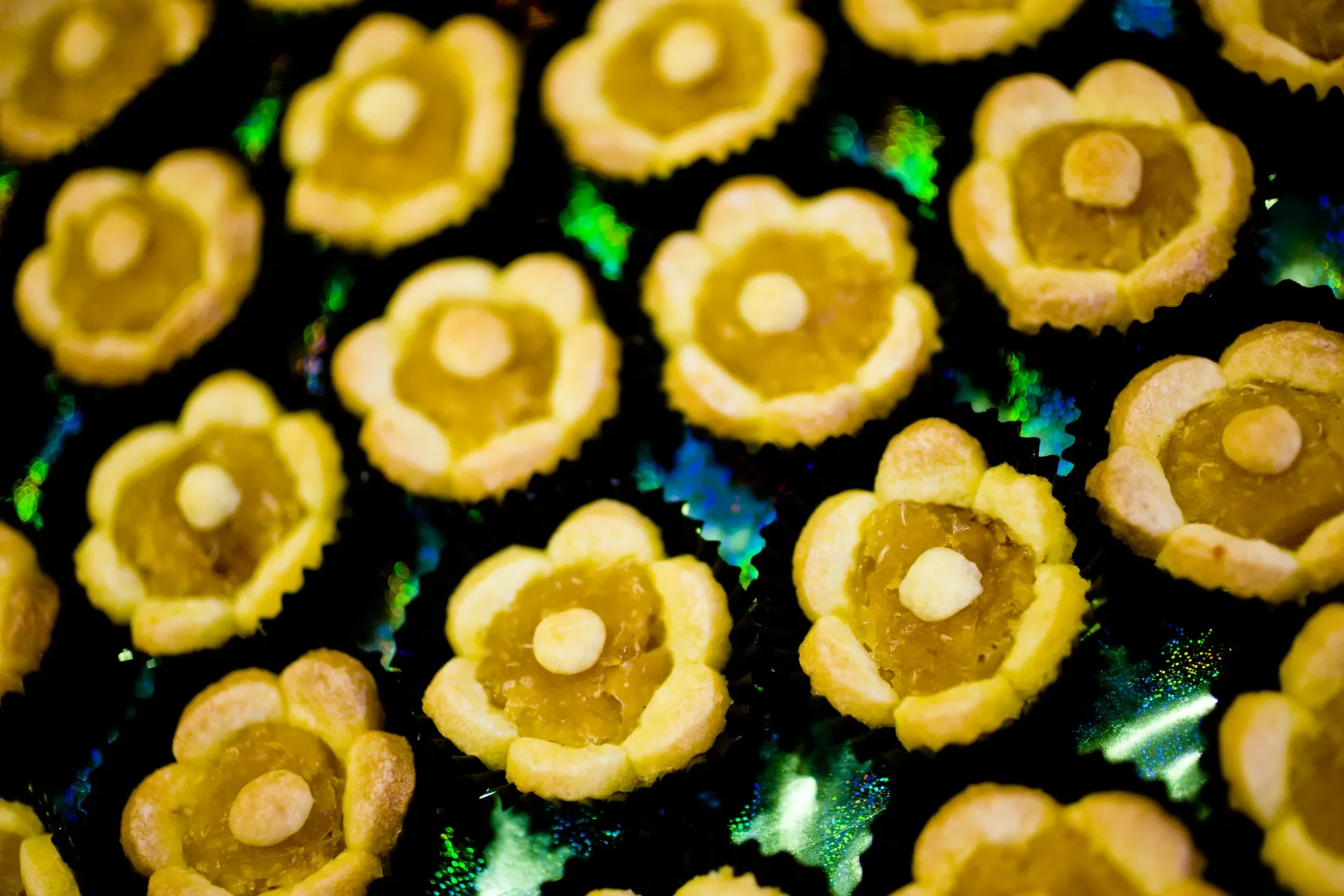
The iconic pavlova – a meringue-based dessert topped with whipped cream and fresh fruit – is a staple on festive occasions and summer celebrations. Another popular favourite is hokey pokey ice cream, made from vanilla ice cream mixed with crunchy honeycomb pieces.
Local confectionery brands, such as Whittaker’s chocolate and classic treats like Cookie Time cookies, have become national favourites.
Beyond sweets, New Zealand also produces exceptional artisan cheeses thanks to its thriving dairy industry. Cheese made from cow, sheep and goat milk can be found throughout the country, with many boutique producers offering tasting experiences that pair beautifully with regional wines.

Designing Programmes That Stand Out
For incentive planners, the key to successful culinary programmes lies in balancing variety, storytelling and premium experiences.
New Zealand offers numerous ways to integrate food into incentive itineraries, including:
Coastal seafood tastings and fishing experiences
Vineyard tours with winemaker-led tastings
Māori cultural dining experiences
Farm-to-table dinners featuring local produce
Artisan food markets and gourmet tours
These experiences allow delegates to explore the destination through its flavours while fostering meaningful connections within the group.
What Michelin Means for New Zealand
The arrival of the Michelin Guide marks an important milestone for New Zealand’s culinary industry. It puts global attention on New Zealand’s culinary scene and accelerates what’s already happening behind the scenes.
Expect to see:
Greater international recognition for chefs and restaurants
Continued innovation in farm-to-table dining
Increased demand for high-end culinary experiences
Stronger positioning as a premium incentive destination
For event planners, it adds a new layer of credibility – and a new way to sell the destination.
Imagine combining Michelin-recognised dining with vineyard experiences, coastal feasts, and cultural storytelling – all within one itinerary.
A Destination on the Brink of Something Bigger
New Zealand has long been celebrated for its dramatic landscapes and adventure experiences. Now its culinary scene is gaining equal recognition.
With exceptional ingredients, globally respected wines, deep-rooted cultural traditions, and a new wave of culinary recognition, the country is entering a new phase. For those designing incentive programmes, that makes New Zealand one of the most exciting destinations to watch right now.