
Rest, Reset, Return: Designing Wellness Retreats in New Zealand
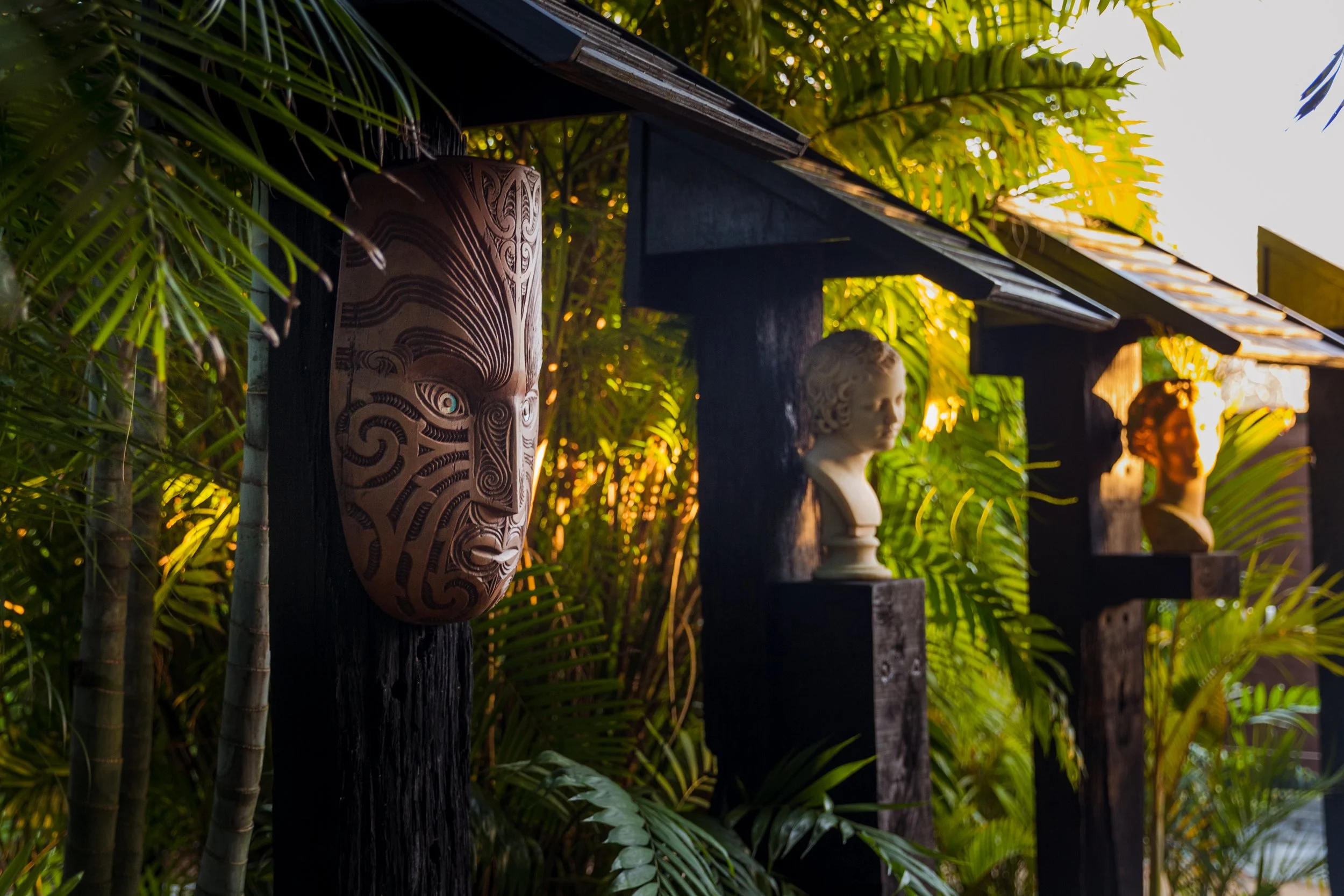
In 2026, wellness is no longer an afterthought or a spa slot shoe-horned into an agenda. The best retreats are deliberately designed journeys — crafted around rhythm, ritual and place — that give delegates permission to slow down, recalibrate and return to work with renewed purpose.
New Zealand, with its geothermal springs, temperate forests, alpine clarity and Maori healing traditions, offers a rare combination: dramatic natural settings that read spectacularly on the page, and quiet, credible wellness practices that work on the ground. The result is a destination where headline moments and restorative depth sit side-by-side; a landscape with stunning scenes and rich cultural rituals that set a spiritual stage for growth and recovery.
-
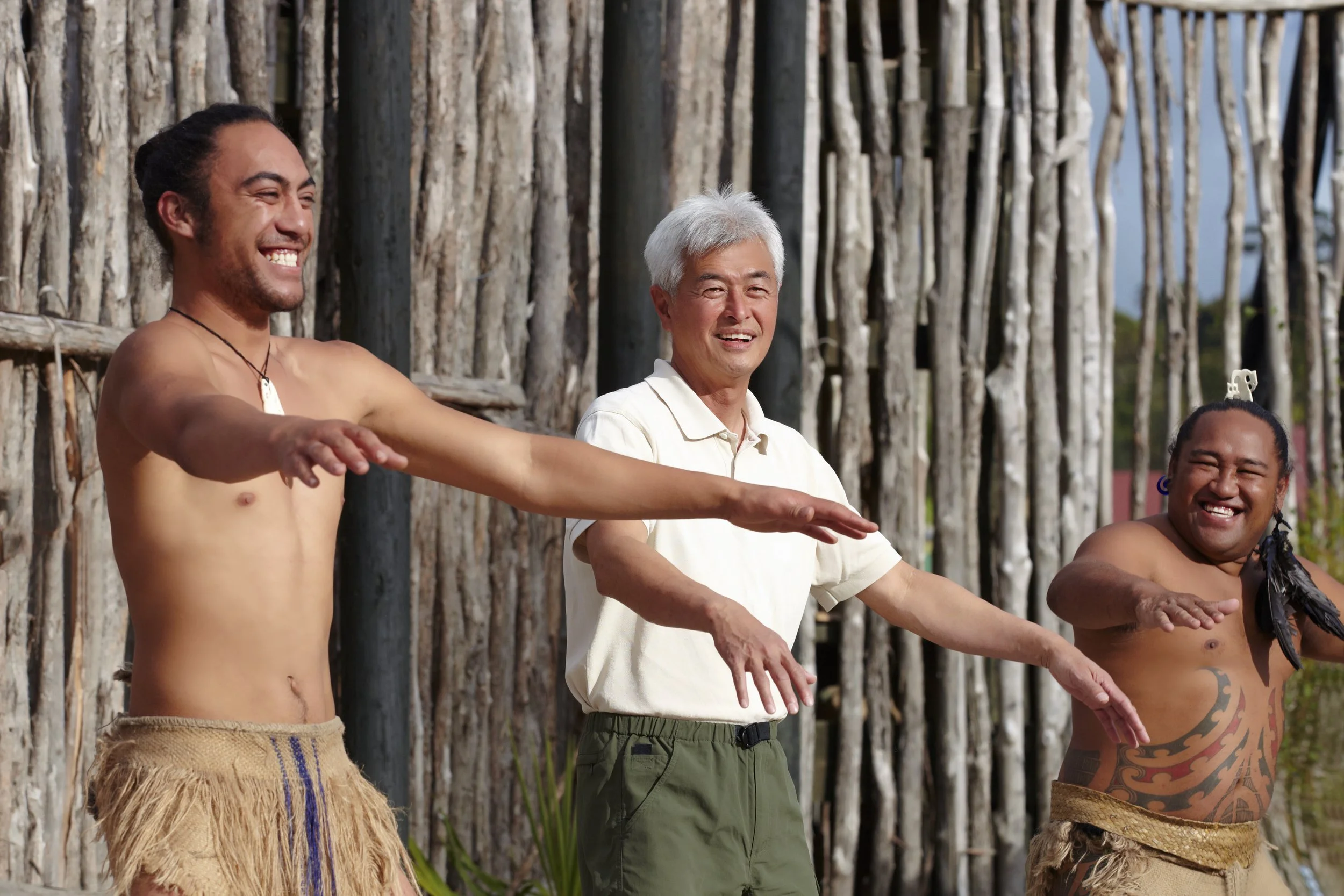
Māori are the tangata whenua — the people of the land — whose living culture and protocols are woven through Aotearoa’s (New Zeland’s) places, stories and events. For planners this most immediately shows up in the pōwhiri (formal welcome) and the marae (communal meeting place): these are structured encounters with speeches, calls, song and food that establish respect, roles and connection between hosts and guests. Observing basic marae etiquette (being welcomed rather than entering uninvited, listening during speeches, and accepting the hongi or greeting if offered) signals cultural competence and respect.
Beyond ceremony, tikanga — the values and customary practices such as manaakitanga (hospitality) and kaitiakitanga (guardianship of place) — should shape event design: collaborate with local iwi and Māori cultural practitioners to co-design experiences, offer appropriate koha (gifts or acknowledgements), avoid tokenism, and seek permission before photographing or using cultural taonga. The haka, waiata and te reo Māori (language) add powerful, memorable moments when presented authentically, so sourcing Māori-owned suppliers and cultural directors not only ensures accuracy but delivers the “money-cannot-buy” authenticity luxury clients value.
Why New Zealand works for luxury wellness incentives
New Zealand’s geography is a planner’s dream: compact hubs with immediate access to nature. Within short drives (or short scenic flights) you can move a group from a five-star lodge to a thermal hot-pool complex, into native forest for guided shinrin-yoku (forest bathing), and then to an alpine wellness retreat for movement, coaching and recovery. Those contrasts — water, forest, mountain, and geothermal — let you design an intimate and powerful experience that carries people through challenge, reflection and celebration in the same programme.
-
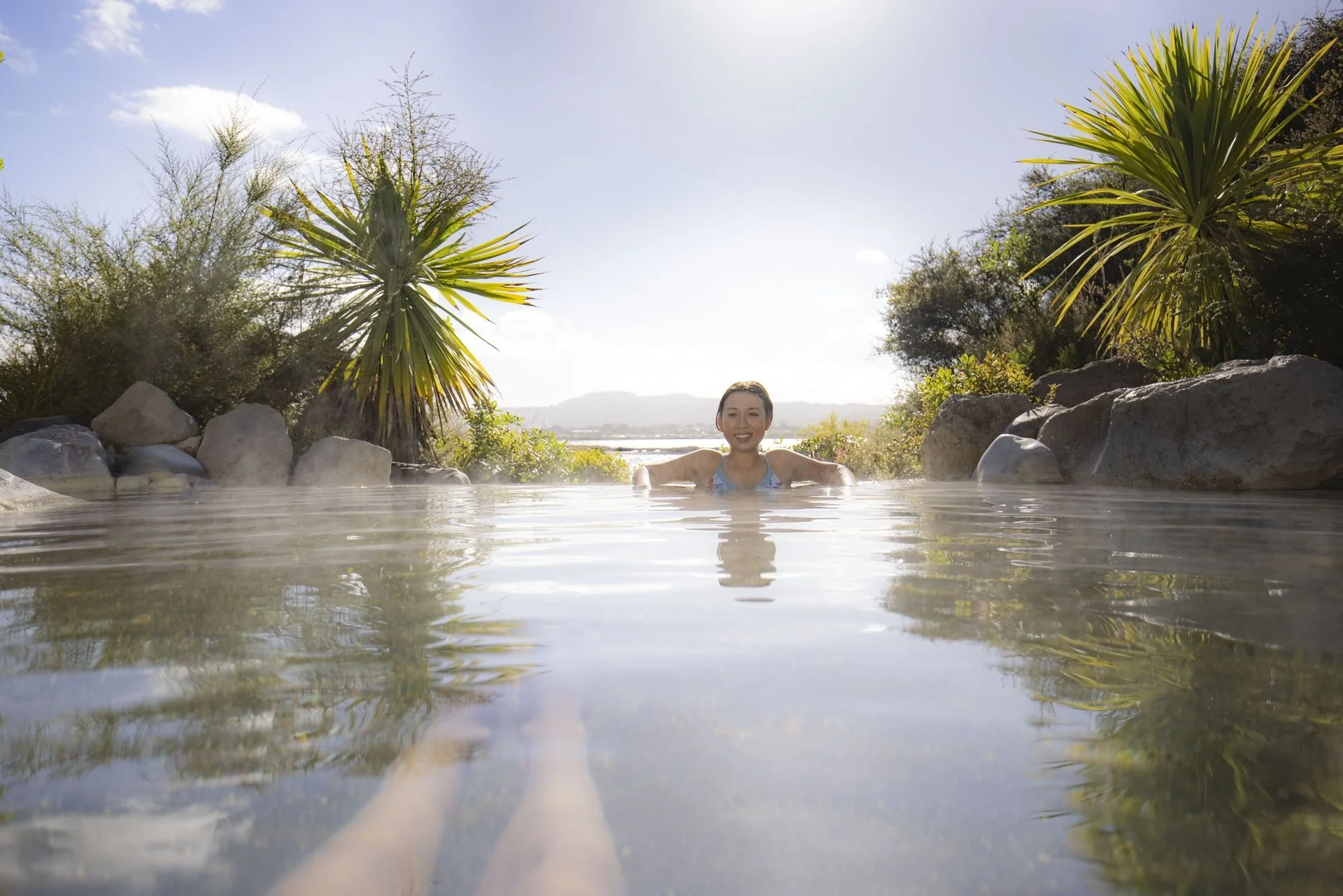
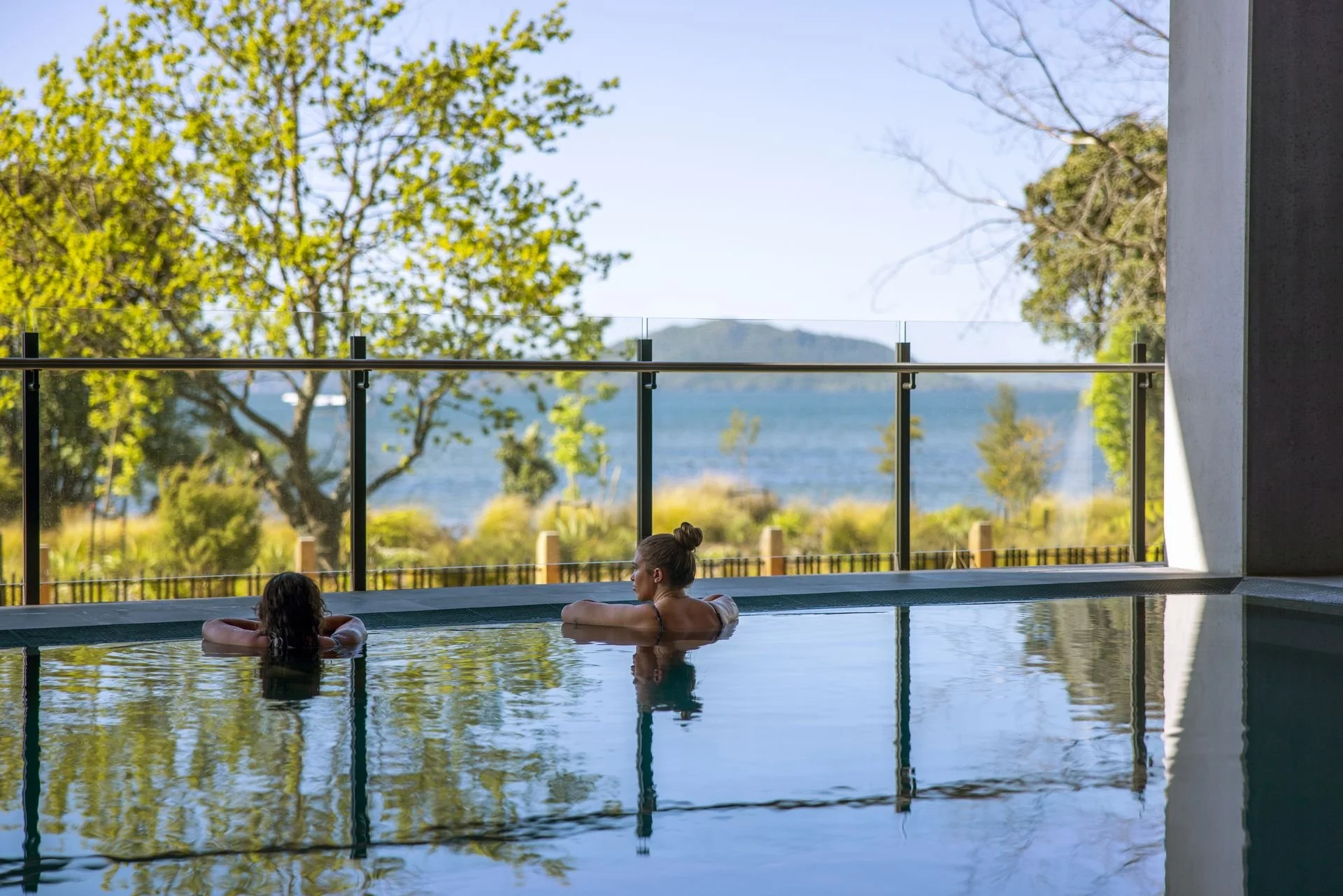
In regions such as Rotorua and Taupō, you can immerse in naturally heated pools, mud therapies, and lakeside hot springs, all set against dramatic volcanic scenery. These environments are not only restorative but deeply tied to Māori perspectives of wellbeing, where geothermal activity is understood as a living force within the land. Programmes can range from guided thermal bathing rituals and spa treatments using mineral muds, to more immersive experiences that incorporate storytelling and cultural insight, creating a sense of grounding that goes far beyond traditional spa offerings.
Anchor experiences worth building around
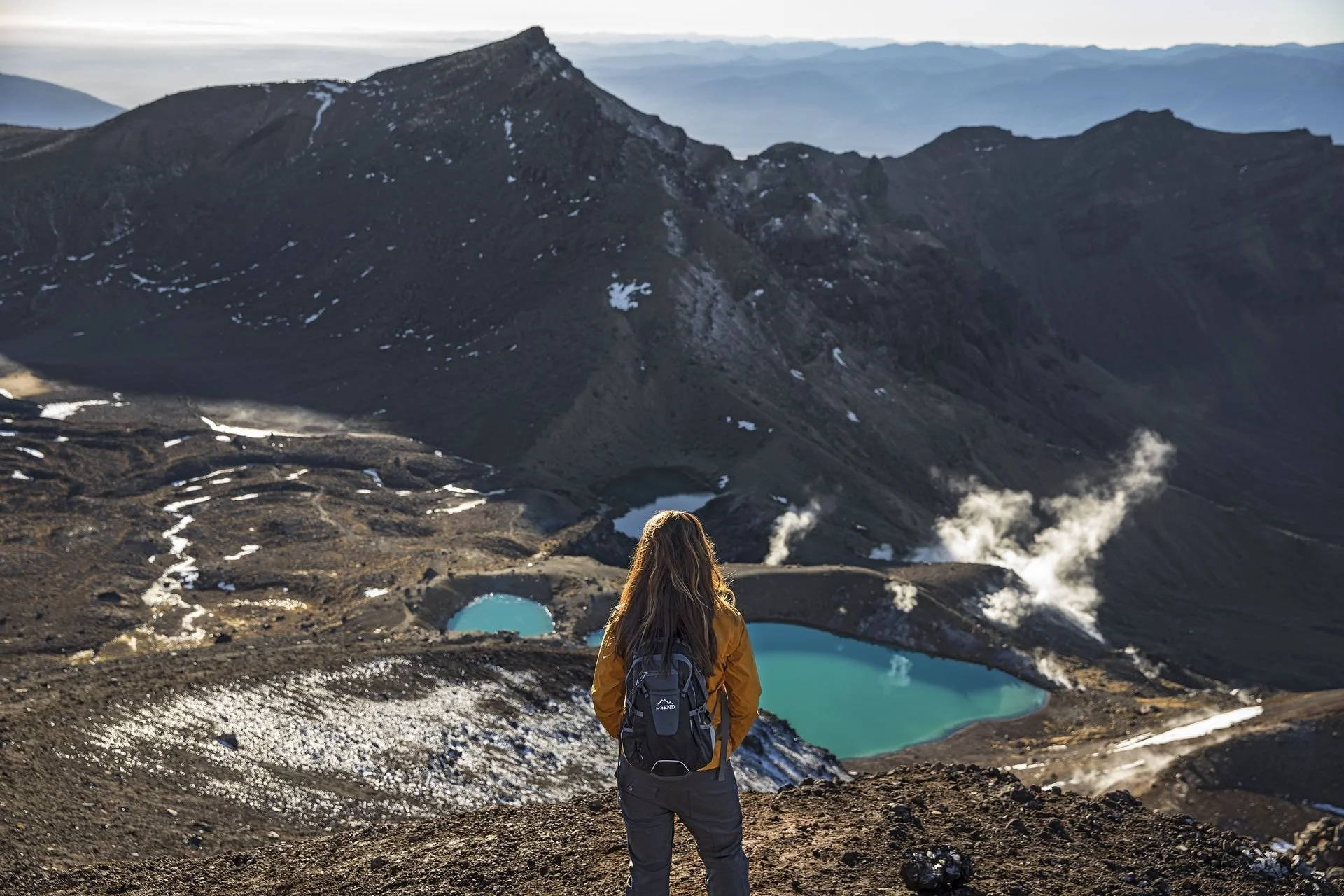
Alpine wellness and movement immersion
Boutique retreats combine guided hiking, plant-based cuisine, daily bodywork and breath work against an alpine backdrop, delivering measurable wellbeing outcomes in a short stay. These retreats are ideally suited to senior cohorts seeking depth rather than spectacle.
Forest bathing (shinrin-yoku) and mindful nature practices
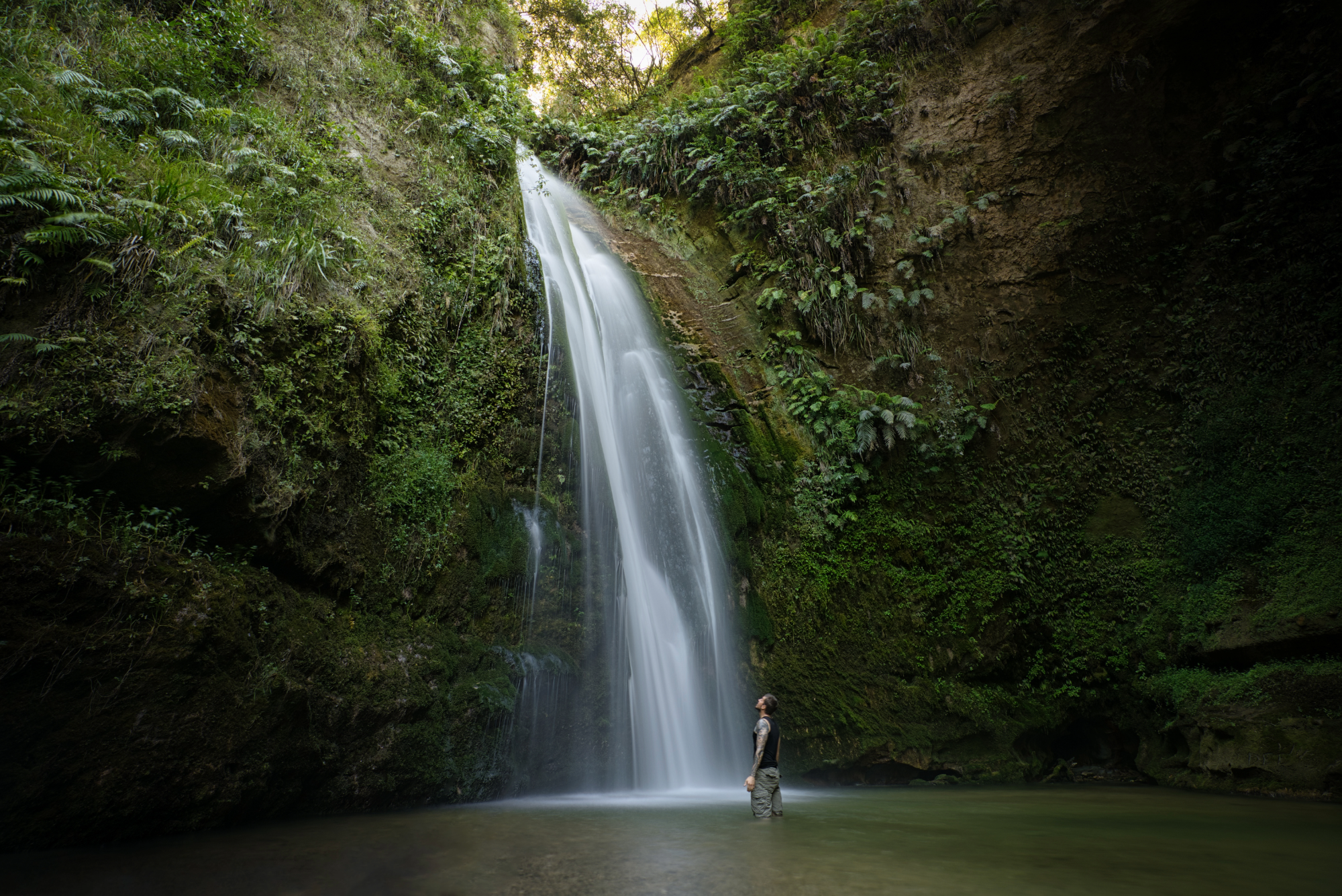
Native kauri, beech and rimu forests provide naturally restorative settings. A guided ‘forest bath’ walk can be a powerful group reset: quiet, accessible and easily integrated into a day that also includes active programming.
Marine and coastal immersion
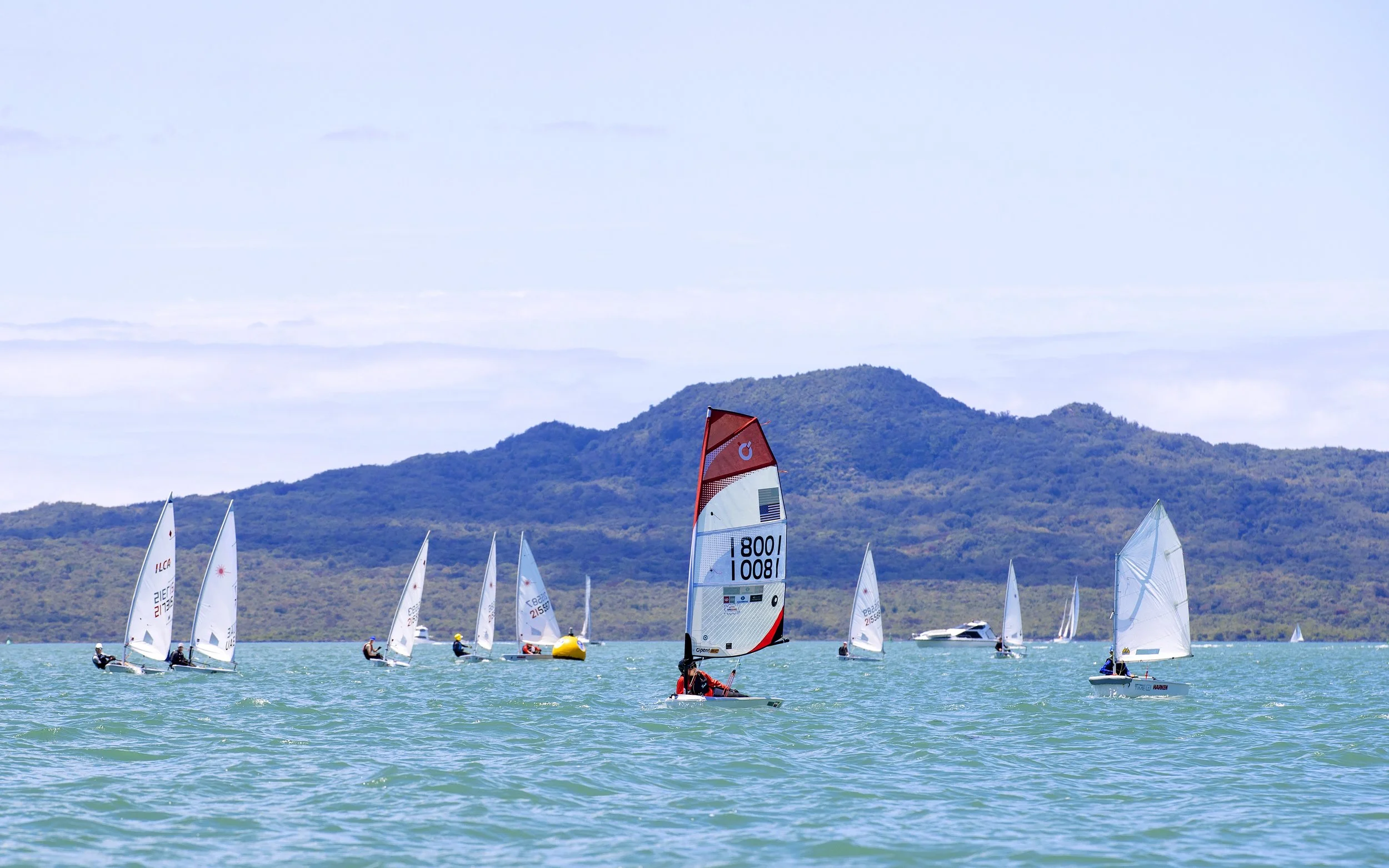
Private marine charters for dolphin-watching, sea-kayak breathwork at dawn, or curated marine conservation briefings offer a sensory, kinetic counterpoint to slow practices. These are great for hybrid programmes that balance team experiences with individual reflection.
Luxury-lodge sanctuary days
Lodges provide the privacy and bespoke service required for senior-level incentives: private spa buyouts, chef-led nutrition sessions and one-to-one bodywork. These properties also give planners a reliable operational base for high-touch programming.
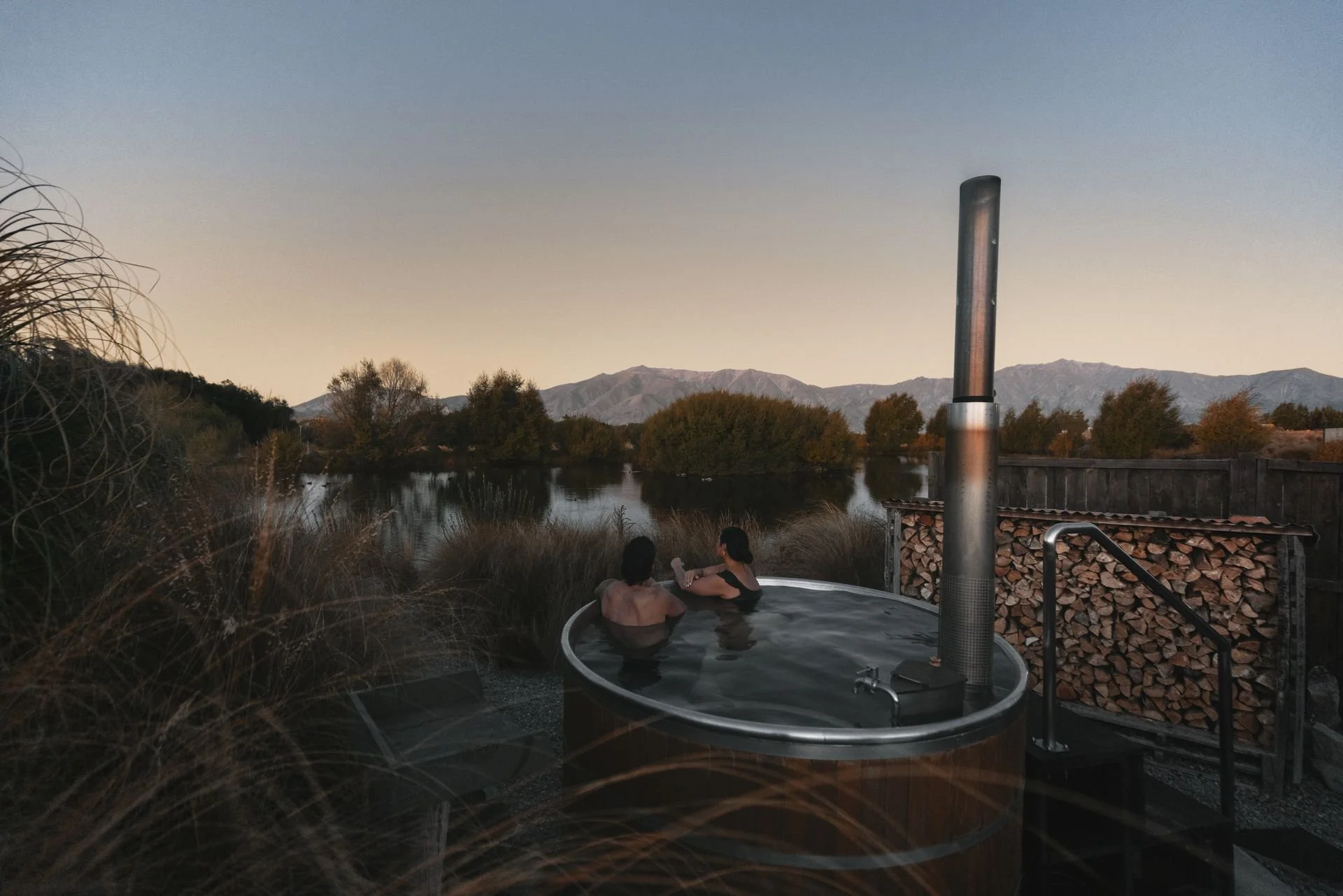
Hot tubs & Star gazing
Few experiences rival sinking into a steaming hot tub beneath New Zealand’s vast, unpolluted night skies. In remote settings across regions like Queenstown and Lake Tekapo, guests can soak in cedar-lined tubs or head out for an accompanied expert-led stargazing session. With minimal light pollution, constellations feel closer, brighter, and more immersive.
A 48-hour sample retreat:
Day 0 — Arrival and soft landing:
Touch down into Auckland, short domestic transfer to a regional hub (Rotorua or Taupō). Gentle welcome dinner focused on seasonal, regenerative food and a brief on local tikanga (protocol).
Day 1 — Deep restorative day:
Morning: Guided forest bathing and movement practice to clear jet lag.
Midday: Private mineral pools and a ritual thermal therapy at a curated hot-spring complex. (Private hire options are available for groups.)
Afternoon: Educator-led session on Māori wellbeing principles and applied leadership, followed by individual therapies.
Evening: Quiet restorative dinner and an optional group breathwork session.
Day 2 — Active reset and return:
Early: personalised hike with a physio-led activation.
Midday: “Wellbeing lab” – a short workshop on sleep, nutrition and resilience with practical takeaways and a digital follow-up pack.
Afternoon: Closing ritual (river dip, reflective journalling) and departure via short regional flight back to Auckland or direct international connections.
Logistics and connectivity
Auckland remains the principal international gateway and offers increasing capacity and connections — the practical backbone for routing international incentive groups into multiple New Zealand hubs. From Auckland you can stage short internal flights (Queenstown and Rotorua) or use executive transfers and scenic helicopter hops that add both time efficiency and spectacle. For high-value clients, consider chartered jets or seaplane transfers to save time and craft a memorable arrival.
-
Make the arc intentional: alternate high-engagement activity with longer restorative blocks (e.g., morning hike, midday spa, late-afternoon reflection).
Give delegates agency: offer micro-tracks (movement, culinary, mindfulness) so participants co-create their reset.
Measure outcomes: capture pre- and post-retreat wellbeing scores and provide a follow-up digital pack (sleep plans, micro-practices) to extend impact. Recent wellness travel trends show guests value measurable outcomes and longer, meaningful stays.
Production considerations for luxury groups
Privacy & exclusivity:
Book private pool buyouts and early/late access slots for wellness facilities. Many spas and hot-spring operators offer corporate packages and wellness rooms for closed-group programming.
Health & safety:
Medical screening, informed consent for cold immersion or intensive movement, and on-call medical support are essential for executive groups.
Seasonal timing:
Most activities can be enjoyed year-round, with the exception of certain alpine trekking routes. While spring through autumn (October–April) offers optimal conditions across most regions, mountain retreats can still deliver compelling winter alternatives, particularly for thermally focused programmes. As always, it’s worth confirming local weather patterns and allowing for contingency days when planning.
Cultural curation:
Hire a Māori cultural curator to advise on language, protocols and storytelling — this elevates authenticity and respects tangata whenua (people of the land).
Sustainability & legacy
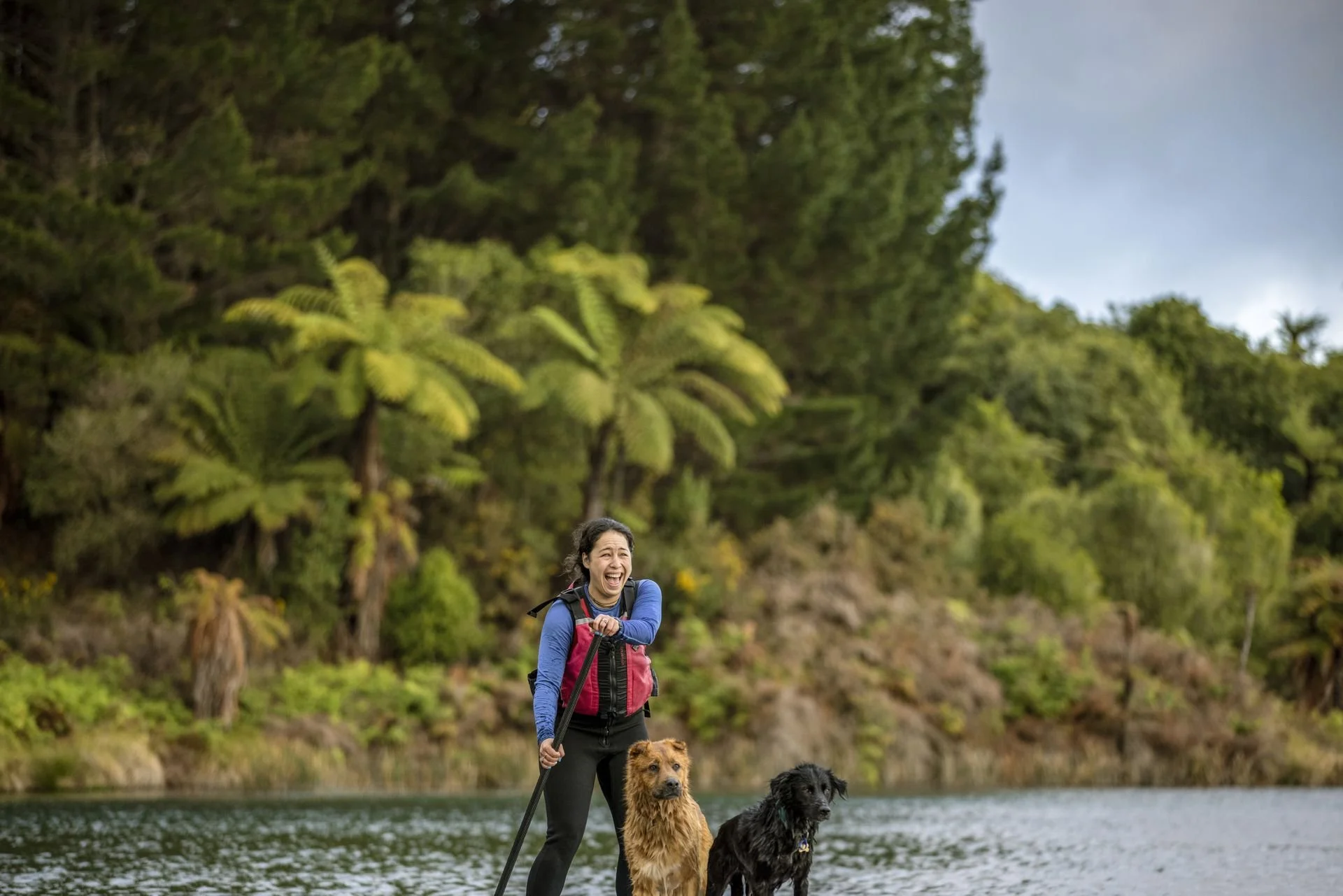
Wellness incentives should leave a positive footprint, guided by the principles of tiakitanga (guardianship of the land) and whakapapa (connection between people, place, and nature). Prioritise local procurement, offset transport emissions, use refillable product kits, and partner with conservation projects where groups can contribute to a meaningful legacy (tree planting, native revegetation). Embedding these values into programme design is not just ethical — it deepens the sense of place and enhances guest satisfaction for a cohort that increasingly expects responsible, culturally conscious travel.
New Zealand’s promise for luxury wellness incentives is simple: it allows you to design for both spectacle and solitude. For incentive planners who want to deliver programmes that are at once headline-worthy and profoundly restorative, Aotearoa provides the landscape, the cultural frameworks and the boutique expertise to make transformative wellness genuinely possible.