
A Taste of Alentejo: The Food, Wine & People Behind the Region
From bread, olive oil and sheep’s cheese to vineyard lunches and wine drawn from clay pots, the Alentejo’s food culture offers a direct route into its landscape and people - and gives groups something increasingly valuable: time to slow down and appreciate where they are.
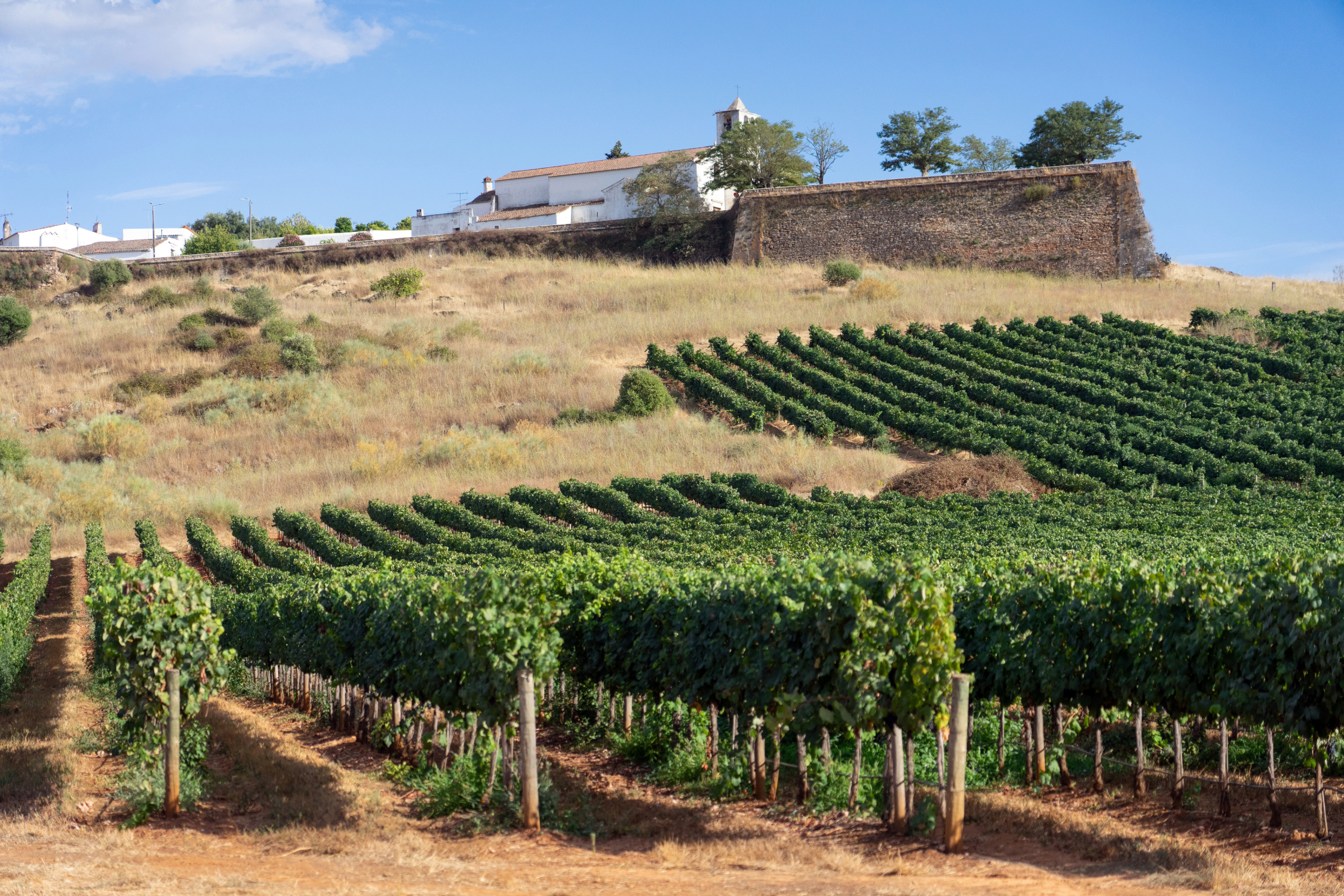
Some of the most memorable moments in an incentive programme happen when the group is not being hurried towards the next activity. A table beneath the trees, a winemaker pouring something produced a few metres away, or a lunch given enough time to unfold can reveal as much about a destination as any organised excursion.
In the Alentejo, these moments are central to the experience. The region’s food and wine speak directly to its landscape: bread and olive oil, aromatic herbs, sheep’s cheese, Atlantic seafood, vineyard estates and wines still made in clay vessels using methods with roots reaching back centuries.
Gastronomy does not need to carry the entire programme. Its strength lies in how naturally it can run through it - welcoming the group on arrival, giving an afternoon room to breathe, connecting guests with local producers or bringing everyone together at the end of the day.
For incentive designers, the opportunity is to use the table as more than somewhere to stop and eat. It can become one of the most enjoyable ways to understand where the group has arrived.
A Cuisine Shaped by the Land
Alentejo cuisine begins with what the land provides.
Across the interior, that means bread, olive oil, garlic, herbs, pulses, vegetables, sheep’s cheese and produce shaped by a hot, dry climate. Closer to the Atlantic, fresh fish and shellfish introduce another side of the region. The ingredients change with the landscape, but the cooking remains closely connected to season, availability and knowledge passed through culture and communities.
Bread is perhaps the clearest example. It is not simply placed beside the meal, but used within it: thickening soups, absorbing flavour and giving substance to dishes created from ingredients close at hand.
-
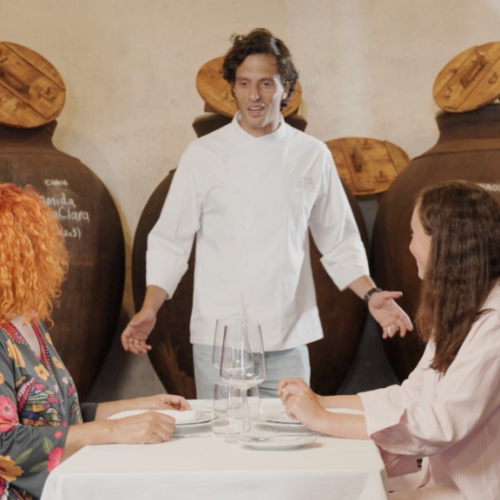
“The Art of Tasting Portugal offers a day with chef Carlos Afonso in the region connected with his origins. The programme takes in former watermills on the Guadiana, the history of grain and bread, a vineyard visit, talha wine and a traditional lunch prepared by the chef in an Alentejo cellar.”
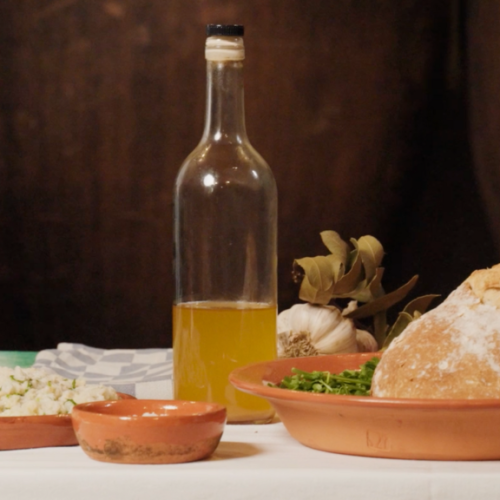
Açorda à alentejana brings together bread, garlic, coriander, olive oil, hot water and a poached egg. On paper, there is little to hide behind. Its quality depends on the bread, the freshness of the oil, the balance of the herbs and the judgement of the person preparing it.
For a group, the interest lies not in turning a regional dish into a competitive cookery challenge, but in revealing the knowledge behind its apparent simplicity.
A visit to an olive estate might begin with a producer-led tasting, introducing the aromas, intensity and peppery finish that distinguish one oil from another. The same oil can then reappear over lunch, served with local bread or used by a cook preparing a regional dish in front of the group.
Only a small amount of context is needed. Once guests know where an ingredient came from and what to notice, the meal (and the experience as a group) begins to feel different.
Wine with a Sense of Place
Wine is one of the Alentejo’s best-known exports, but the region offers considerably more variety than its reputation for warm, generous reds might suggest.
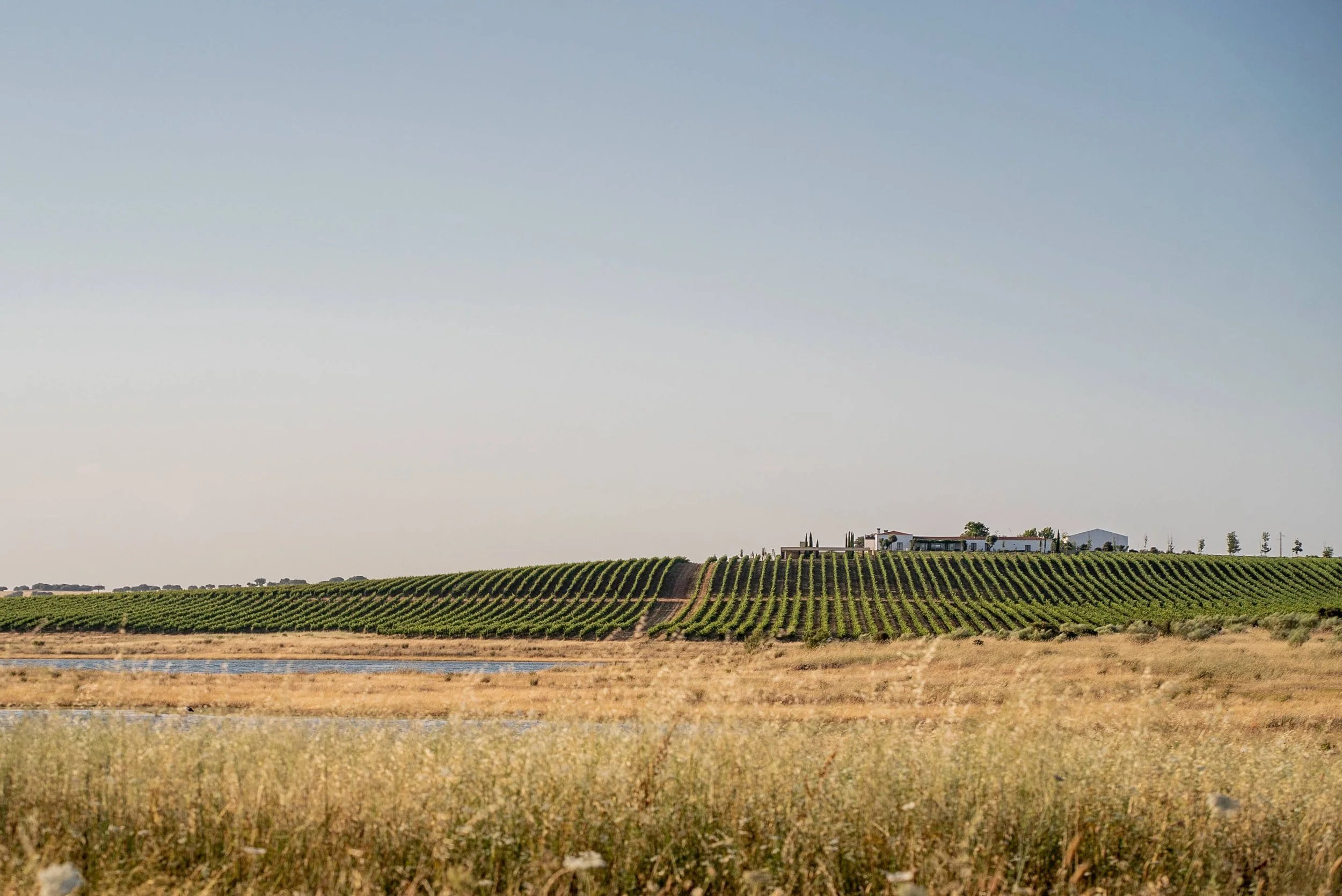
The Alentejo DOC is divided into eight subregions, encompassing differences in altitude, soil and climate. Vineyards around Portalegre rise towards the Serra de São Mamede, while areas further south and inland experience warmer, more continental conditions. Around Vidigueira, the landscape and local climate have supported a long association with white wine as well as one of the region’s most distinctive winemaking traditions.
-
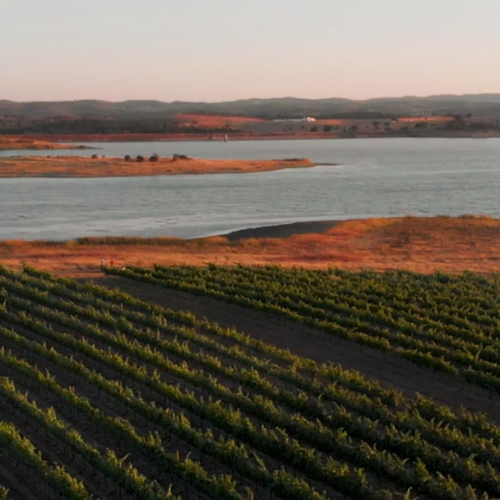
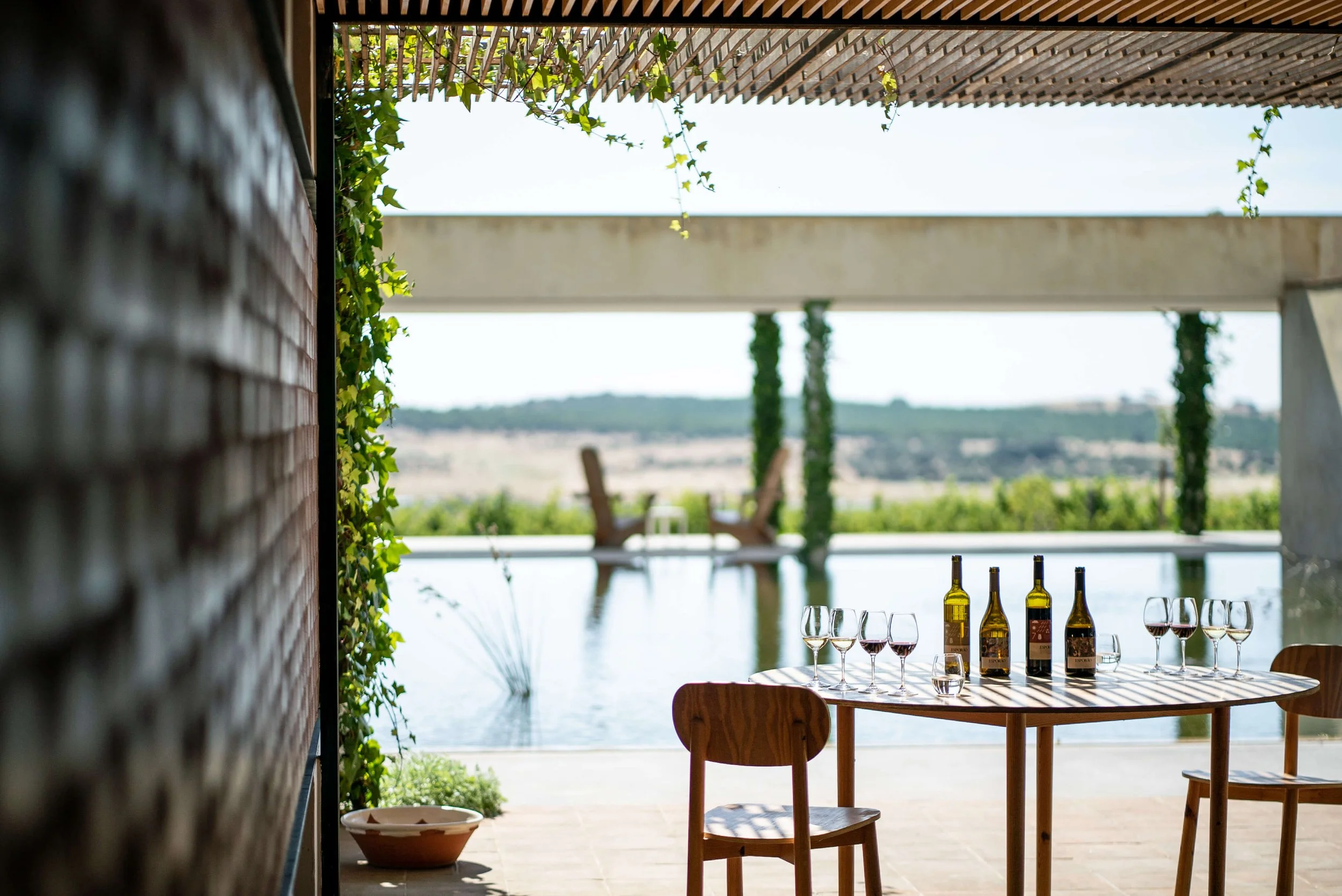
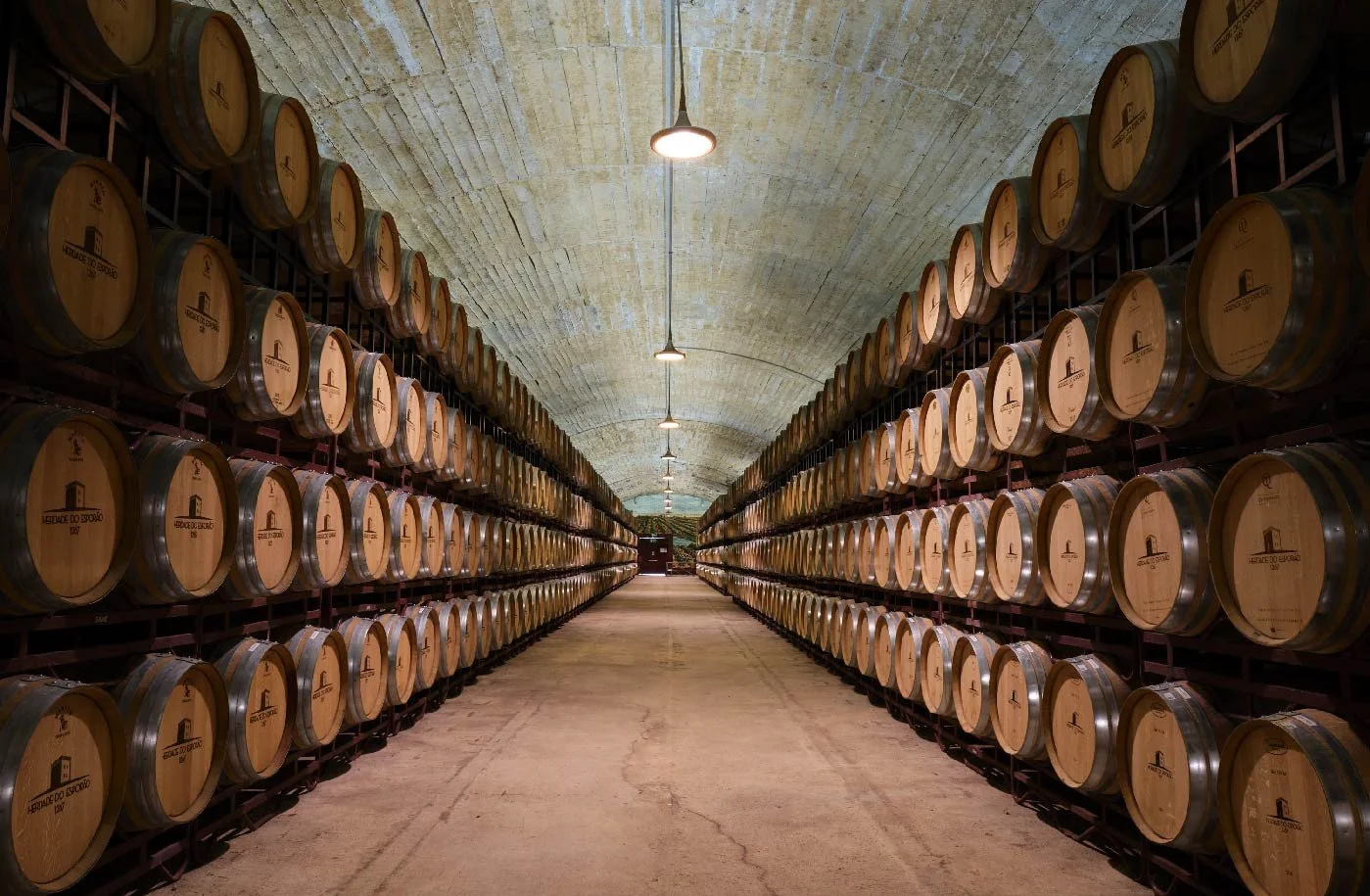
“Discover the power of local produce and incredible scenary at Herdade do Esporão, with a terrace overlooking the vineyards that define the gatronomy of the region. As well as unqiue dining experiences, there is also the opportunity to take a bike tour through the 18.4 sqkm of the property. The grounds include olive groves, cork oak montados and forest.”
That diversity gives a wine experience more purpose than a conventional tasting. A winemaker might instead choose a short selection that shows how altitude, soil and location change what arrives in the glass.
The aim is not to turn delegates into experts. It is to give them enough understanding to recognise that the wine belongs to the landscape they have been travelling through.
A private lunch overlooking the vines, a cellar dinner or a tasting hosted by the winemaker gives the group access to both the place and the people responsible for what is being poured.
What makes the experience memorable is rarely the number or prestige of the bottles. It is the opportunity to taste them where they were made and hear directly from someone who understands every decision behind them.
The Alentejo Wine Experience That Begins in Clay
Among the region’s many wine stories, few feel as closely tied to the Alentejo as vinho de talha.
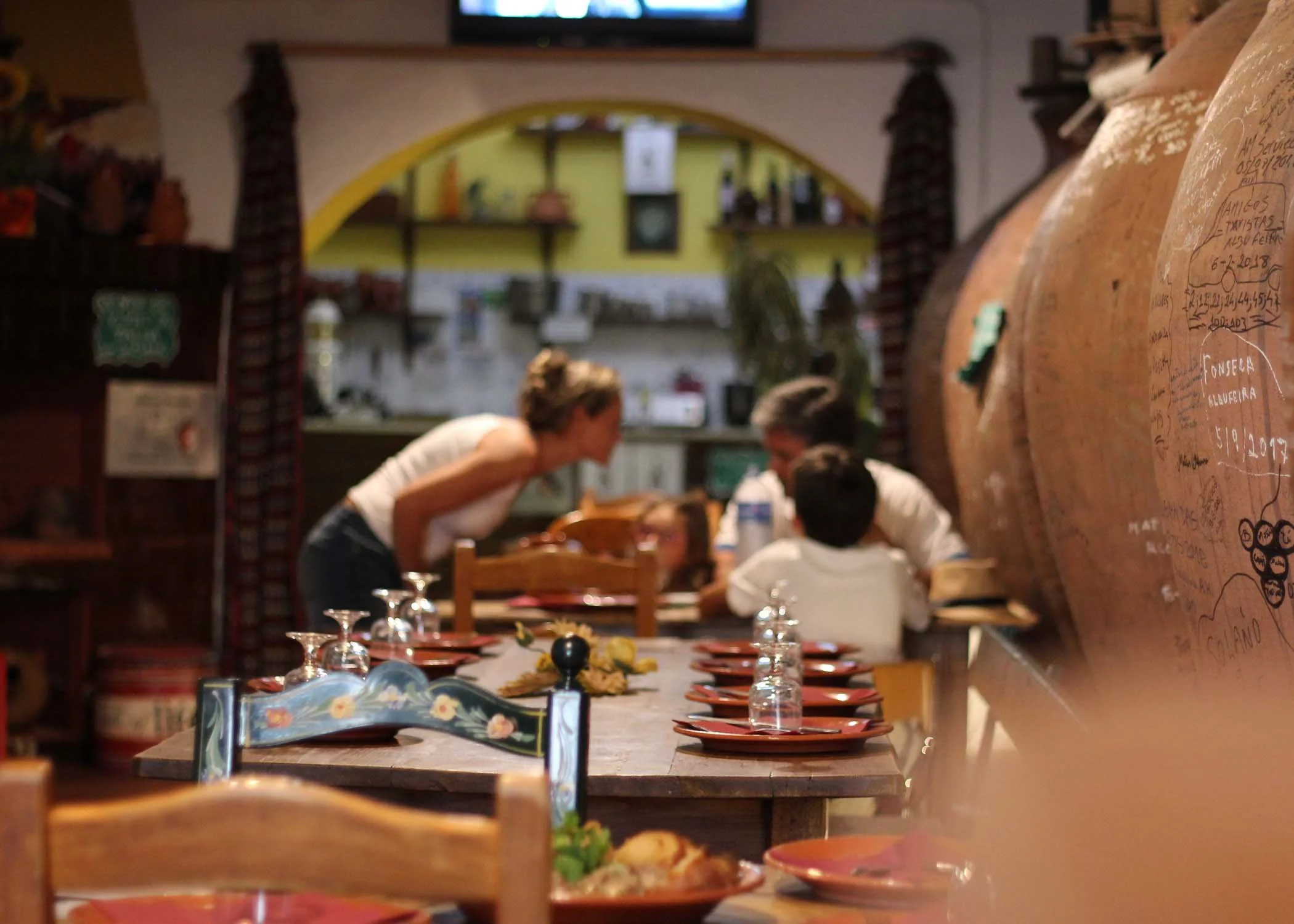
Talha wine is made in large clay vessels using a tradition with roots stretching back to the Roman period. The practice has survived most visibly around Vidigueira and Vila de Frades, where clay pots still stand in working cellars and taverns.
This is not winemaking history displayed behind glass. Grapes continue to ferment inside the vessels, with each producer bringing their own judgement to the process. The wine is drawn from an opening near the base and shared in many of the same social settings in which the tradition has been sustained.
-
“Honrado is a must-visit for understanding the region’s wine history, and the skill of making vinho de talha in clay Amphoras. They also have the beautiful restaurant, País das Uvas (or, the Land of Grapes), which was once a wine cellar that is now transformed into a place for authentic Alentejo cuisine.”
For a smaller group, entering a talha cellar immediately changes the tone of a tasting. The setting is intimate, the process is visible and the person pouring the wine is often closely connected to its production.
Guests might taste talha wine alongside one made using a more conventional method, allowing them to explore differences in texture, aroma and technique without requiring specialist knowledge. Bread, olives and regional cheese can accompany the tasting, returning the wine to the kind of table around which it has traditionally been enjoyed.
The modest scale of many cellars is part of the appeal. Larger groups may need to visit in rotations, perhaps while others meet a food producer or explore another part of the village. This preserves the intimacy that makes the experience valuable in the first place.
Talha wine gives the Alentejo something highly distinctive: a tradition that connects its ancient winemaking history with the way wine is still made and shared today.
Hospitality at an Alentejo Pace
The long table has become one of the defining images of Alentejo hospitality. Its real value, however, is not photographic.
A shared table slows the pace of the programme and changes how the group interacts. People remain in conversation for longer. Local hosts can sit among the delegates. A lunch can provide a quieter counterpoint to a more active morning, while dinner gives everyone space to reconnect after spending the day in smaller groups.
The setting might be a shaded terrace, a vineyard, a historic courtyard, a coastal restaurant or a table placed within a private estate. Each offers a different atmosphere without requiring the meal itself to become heavily produced.
Not every lunch needs a demonstration and not every dinner needs a speaker. Some should simply be generous, beautifully hosted and allowed to unfold.
That restraint is particularly appropriate in the Alentejo, where the slower pace is part of the destination’s appeal. Rather than filling every available moment, the programme can create room for guests to notice what is being served, speak to the people around them and enjoy the landscape in which the table has been placed.
The Alentejo’s gastronomy should not determine every part of the incentive. It should make the wider programme feel more connected to the place.
Guests may come for the landscape, culture and sense of escape. The table is where those qualities often become easiest to understand - and where the group is given the time to appreciate them together.