
From Cork to Cante: Why the Alentejo Belongs in Your Next Portuguese Incentive
In the Alentejo, tradition is not something to admire from a distance. Cork estates, pottery workshops, Lusitano horsemanship and the unmistakable sound of Cante can shape the programme itself - introducing groups to the people, skills and stories that make the region unlike anywhere else.
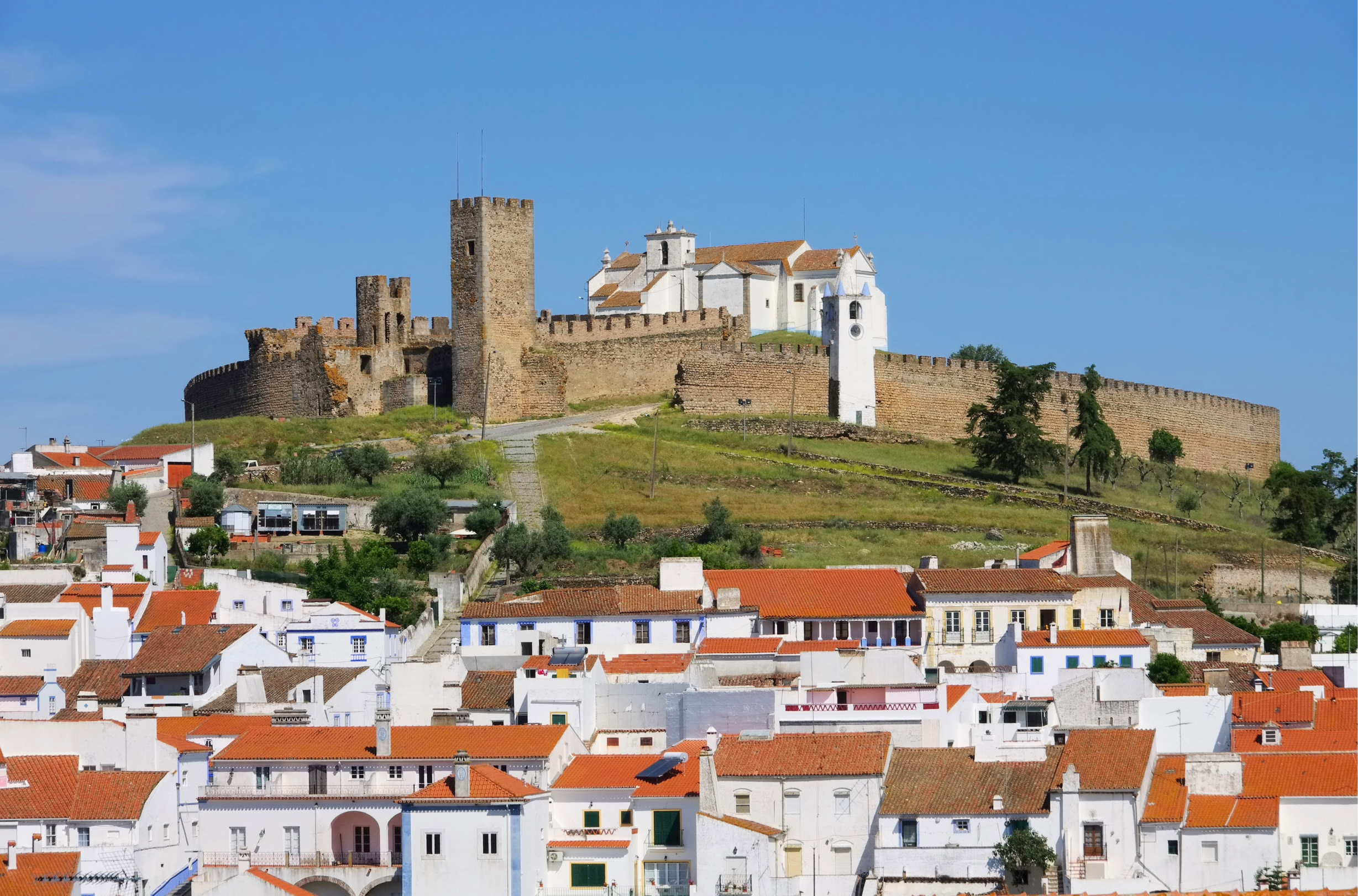
Historic towns, open landscapes, warm weather and a wealth of living traditions: the Alentejo has all the ingredients of a compelling incentive destination. Better still, it sits within easy reach of Lisbon while offering a pace and character entirely its own.
Here, local culture does not have to be added to the programme as an afterthought, but can instead morph the programme into a rewarding and authentic experience for all size of groups.
A private lunch on a cork estate can place a group inside one of the region’s defining landscapes, with its production and design story unfolding around them. The pottery workshops of São Pedro do Corval can divide a group into smaller, more conversational experiences. Cante Alentejano can bring an unmistakably local voice to an evening event, while the region’s relationship with the Lusitano horse offers both spectacle and a window into centuries of Portuguese horsemanship.
Many of these experiences begin with the materials and resources of the landscape itself. Cork, clay and wool are not simply products associated with the Alentejo; they are routes into understanding the region, the people who have shaped it and what makes it different from the rest of Portugal.
For an incentive designer, they are also the foundations of a programme that could not simply be lifted and recreated somewhere else.
From Montado to Modern Design
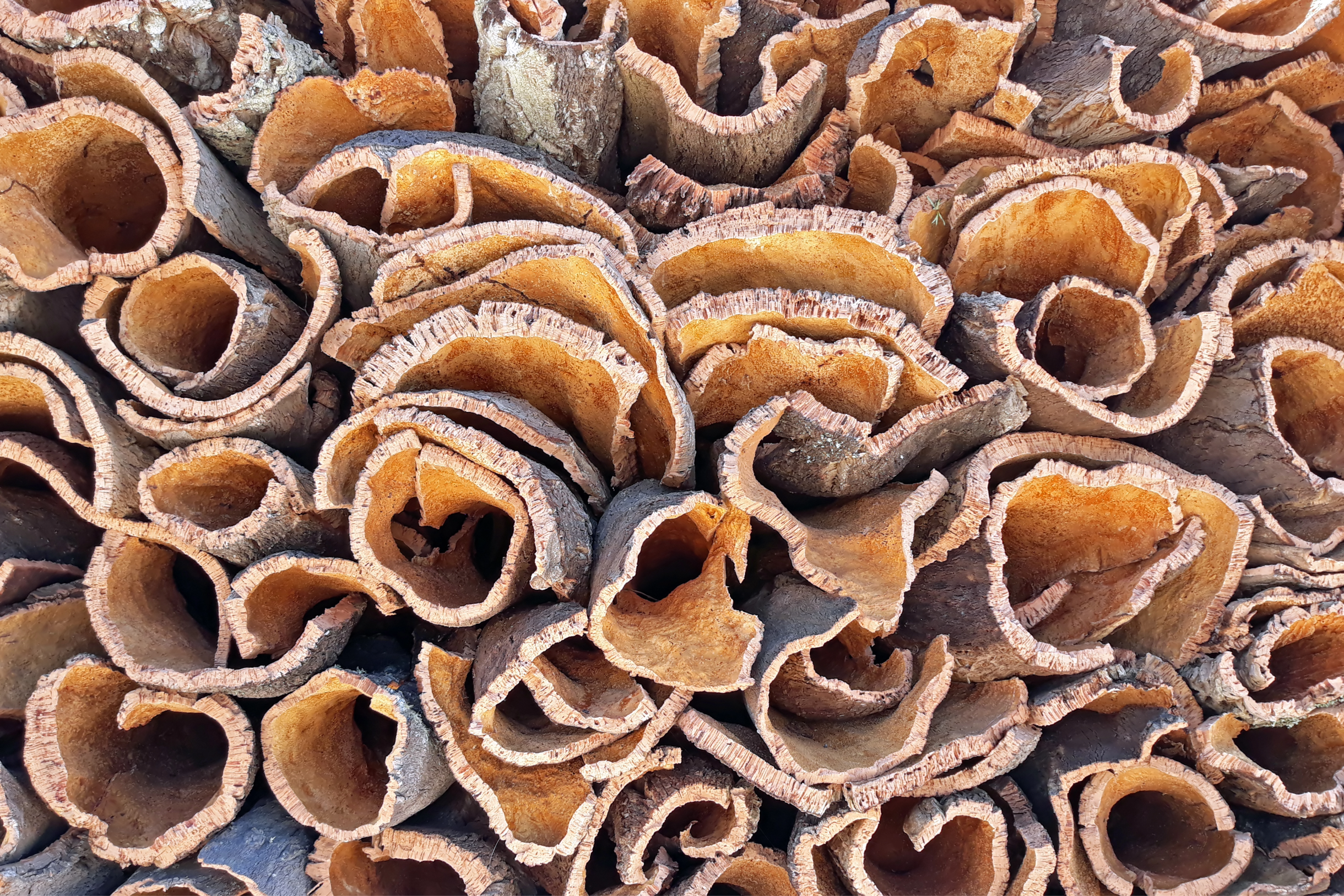
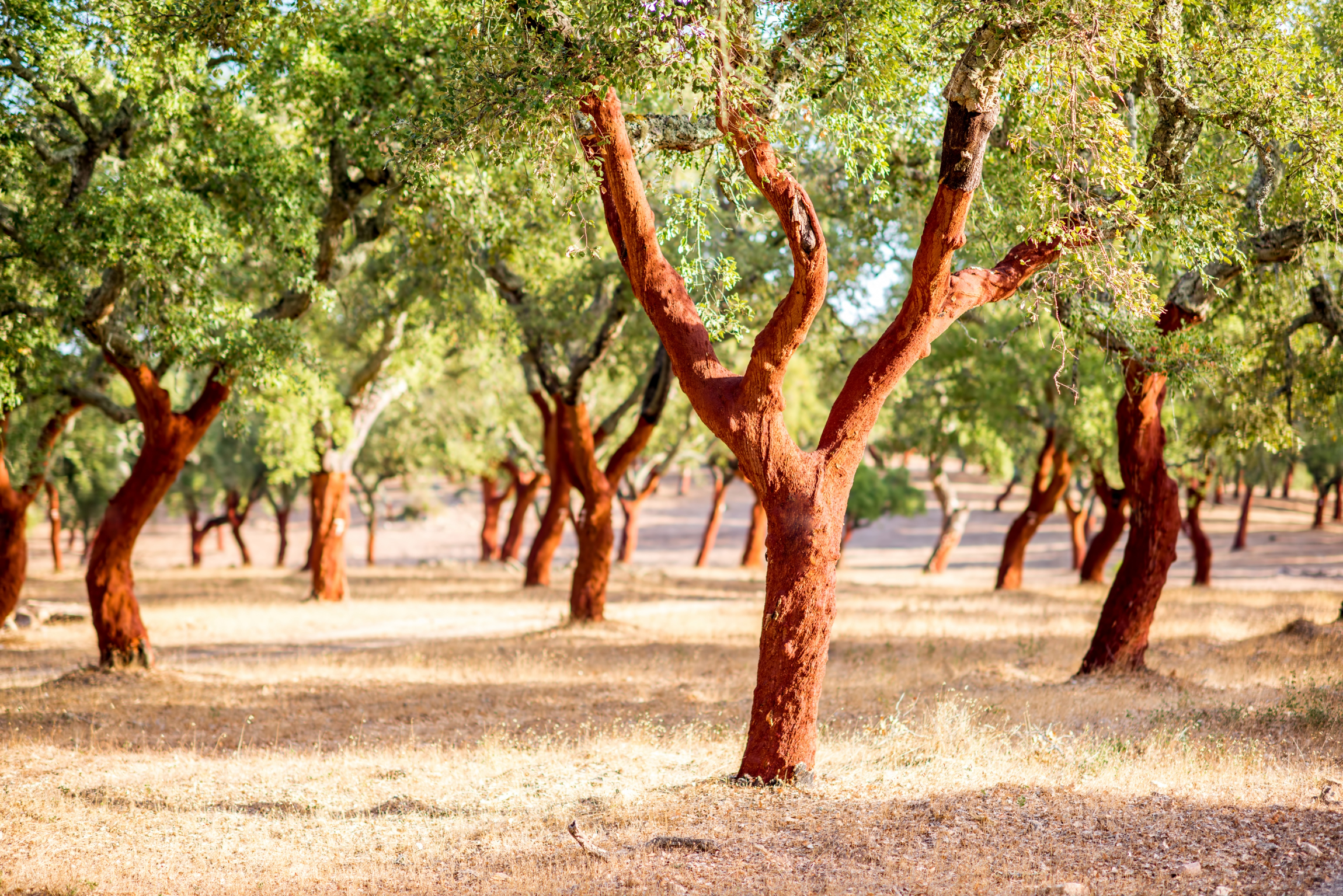
Few materials are as closely connected to the Alentejo as cork. Across the region, cork oaks are a defining feature of the montado: an open, wooded landscape that supports rural livelihoods and produces one of Portugal’s most recognisable natural materials. For an incentive group, however, the cork estate should be treated as more than somewhere to tour. Its greater value lies in becoming the setting for an occasion.
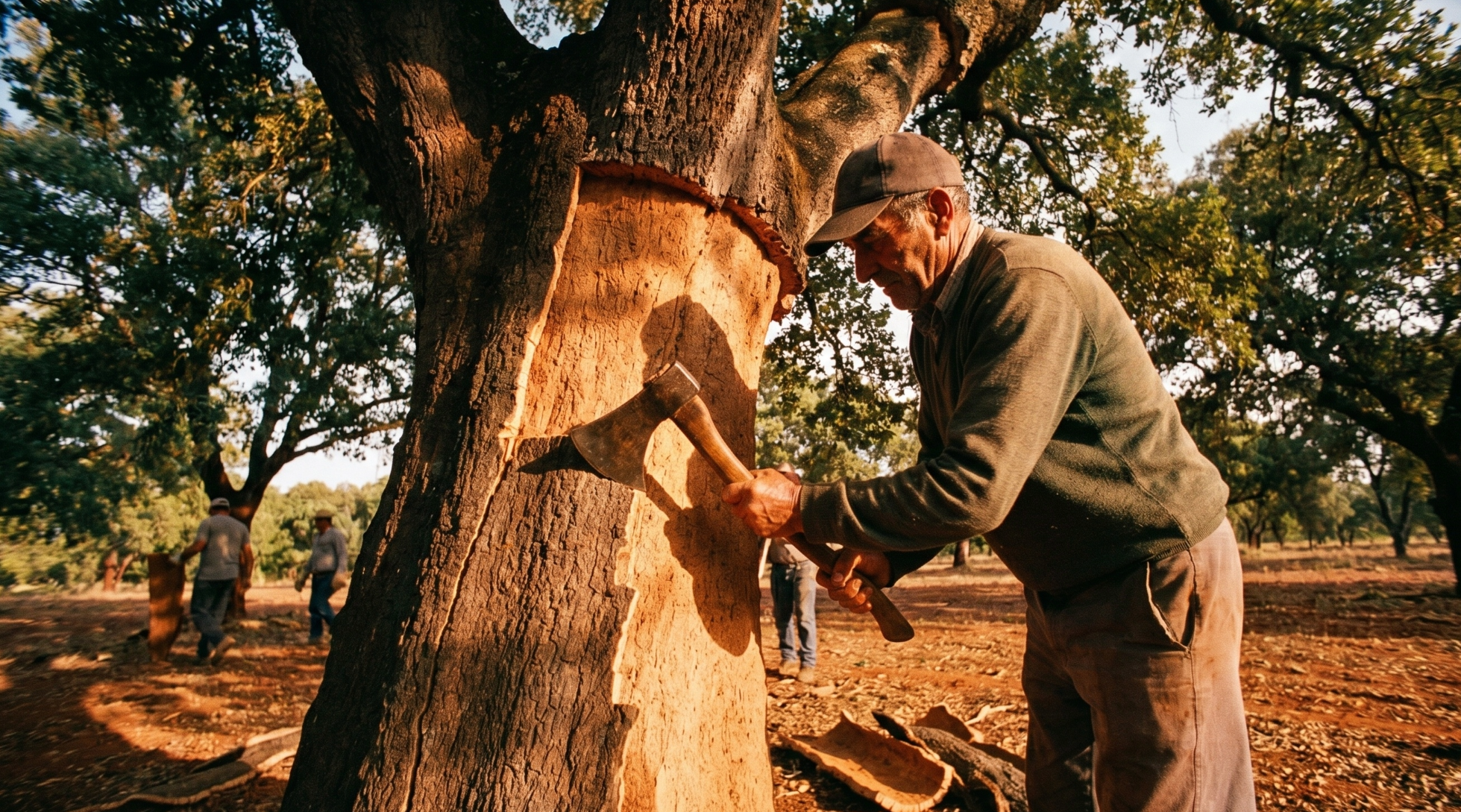
A private estate lunch could begin with a short introduction from the people who manage the land. Guests learn how the bark is harvested without felling the tree, why each cork oak is given at least nine years to regenerate and what the numbers painted on the trunks reveal. During harvesting season, that introduction might also include a demonstration by the skilled workers who remove the bark by hand.
-
“Visits to observe cork stripping should be planned for June and July, subject to the estate’s harvesting schedule. Outside this period, guests can still visit the montado and discover the culture of cork and its associated ecosystem, without witnessing cork stripping.”
From there, the group gathers around a long table beneath the trees or inside the estate, with local food and wine placing the material within the wider story of the region. The setting does much of the work: open countryside, natural shade and a sense of privacy that would be difficult to recreate in a conventional venue.
After lunch, cork can move from landscape to design. A Portuguese maker might introduce its contemporary uses in fashion, furniture and interiors (even space travel) before leading a small creative session. Guests could personalise a useful object, contribute to a collective commission or choose a locally designed piece to be delivered later as a gift. Handled this way, cork provides the setting, the story and the object through which the day is remembered.
Made by Hand in the Alentejo
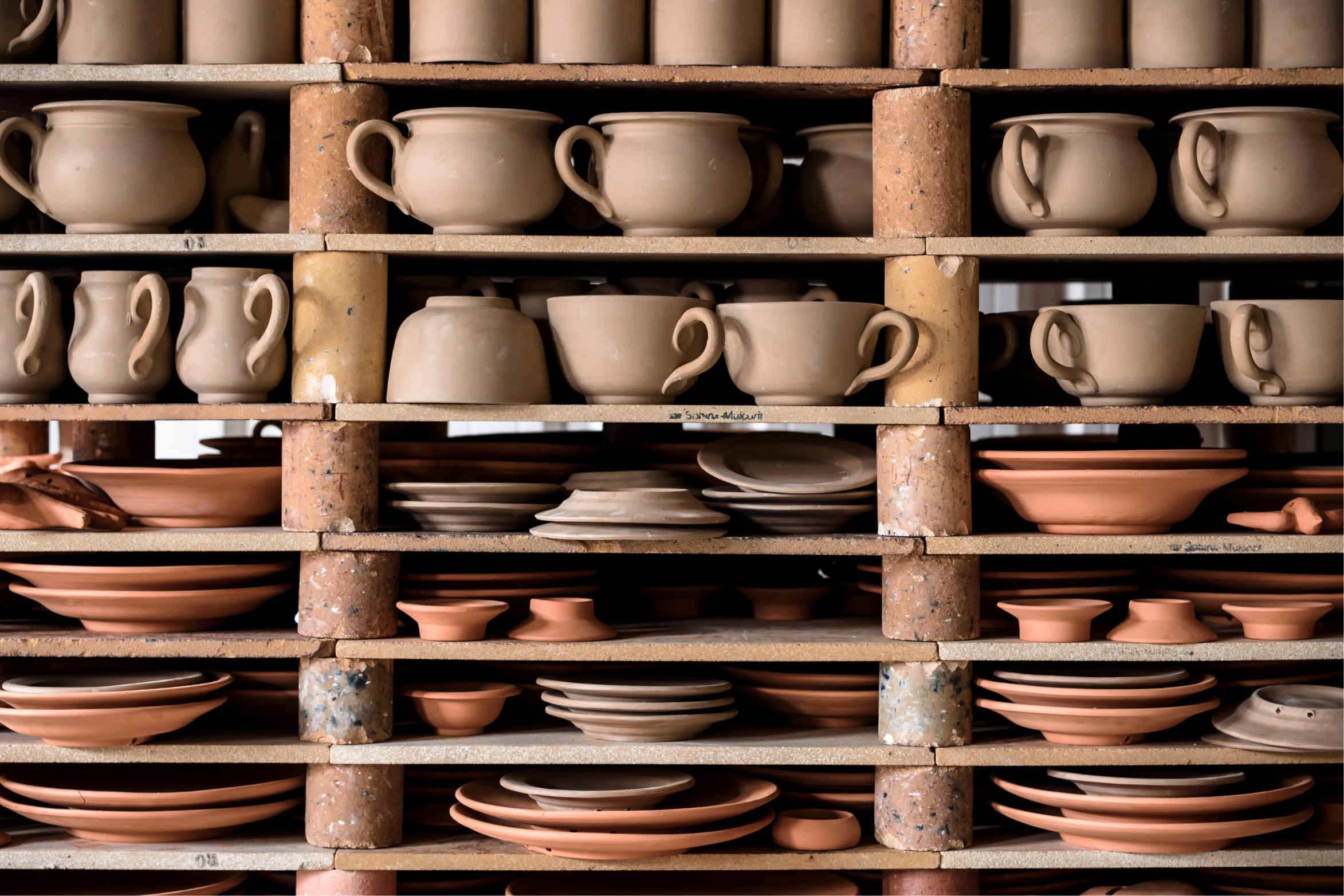
Further inland, near Monsaraz, the story moves from bark to clay. In São Pedro do Corval, pottery continues to shape the identity of the village.
Recognised as Portugal’s largest pottery centre, São Pedro do Corval is home to more than 20 working olarias. Although visitors are welcomed inside, these remain places of production, where local potters continue to shape clay at the wheel and decorate pieces by hand.
That working quality is what makes the village so valuable for an incentive programme. Rather than moving one large group through a single demonstration, delegates can be divided between several workshops, meeting different makers and seeing how individual styles emerge from the same local tradition.
Pottery also creates an easy setting for interaction. Watching a master potter raise a vessel on the wheel is impressive; attempting it makes the skill immediately apparent. Guests can try throwing or hand-building, while those working to a tighter schedule might decorate a prepared tile, plate or bowl.
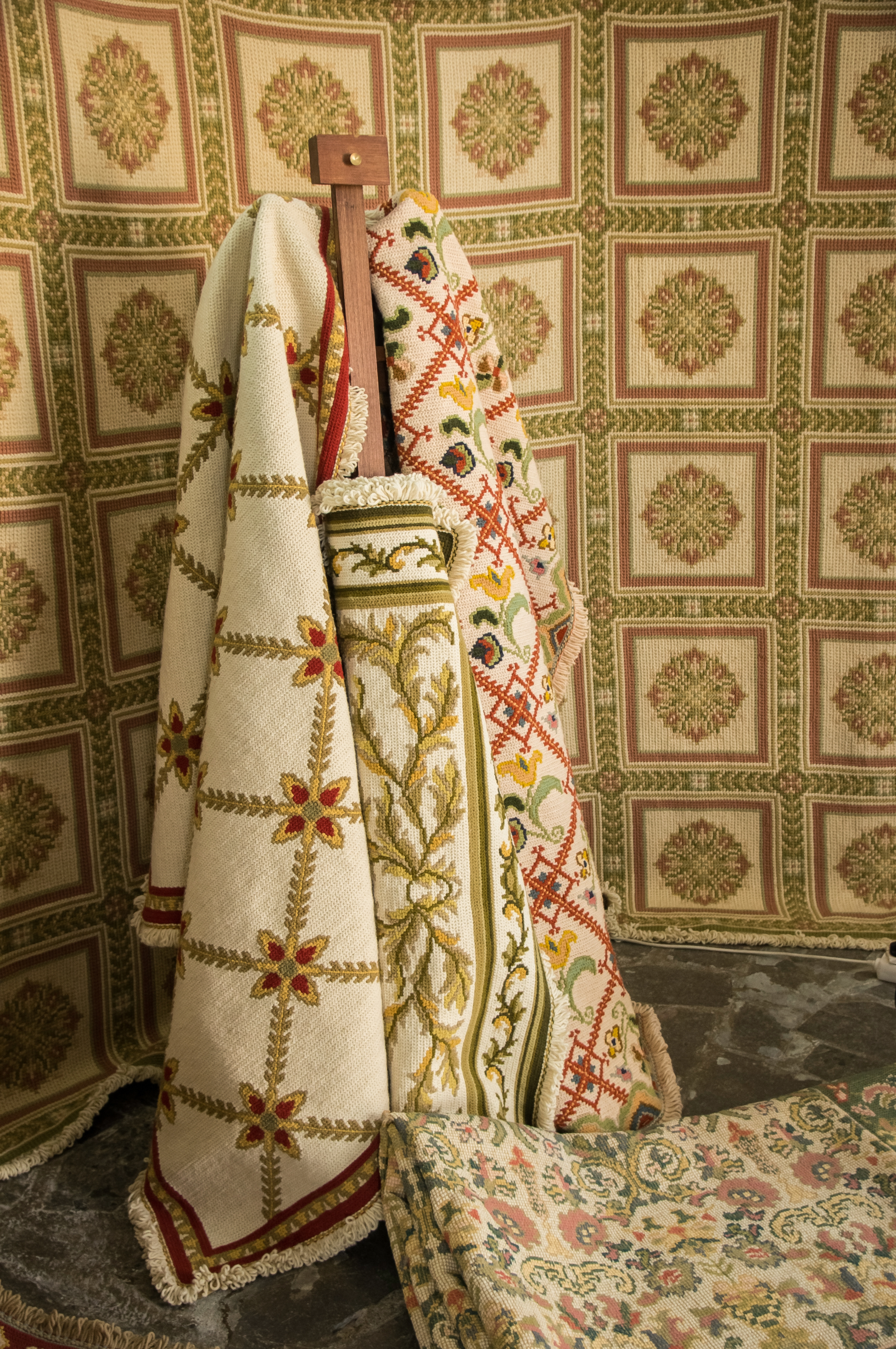
Arraiolos offers a slower counterpoint.
The town’s distinctive rugs are embroidered by hand using wool thread on canvas, continuing a tradition documented locally for centuries. In a finished piece, it is the pattern and colour that first command attention. Watching one take shape reveals the time, repetition and concentration behind it.
An artisan-led session could introduce delegates to a single stitch or motif, without suggesting that such a complex craft can be mastered in an afternoon. Small groups might contribute to a shared design, later completed by the embroiderer as a lasting commission from the experience.
Where pottery brings energy and informality, embroidery creates a quieter kind of interaction. Hands are occupied, conversation becomes unforced and the pace of the experience reflects the region itself.
The Art of the Lusitano
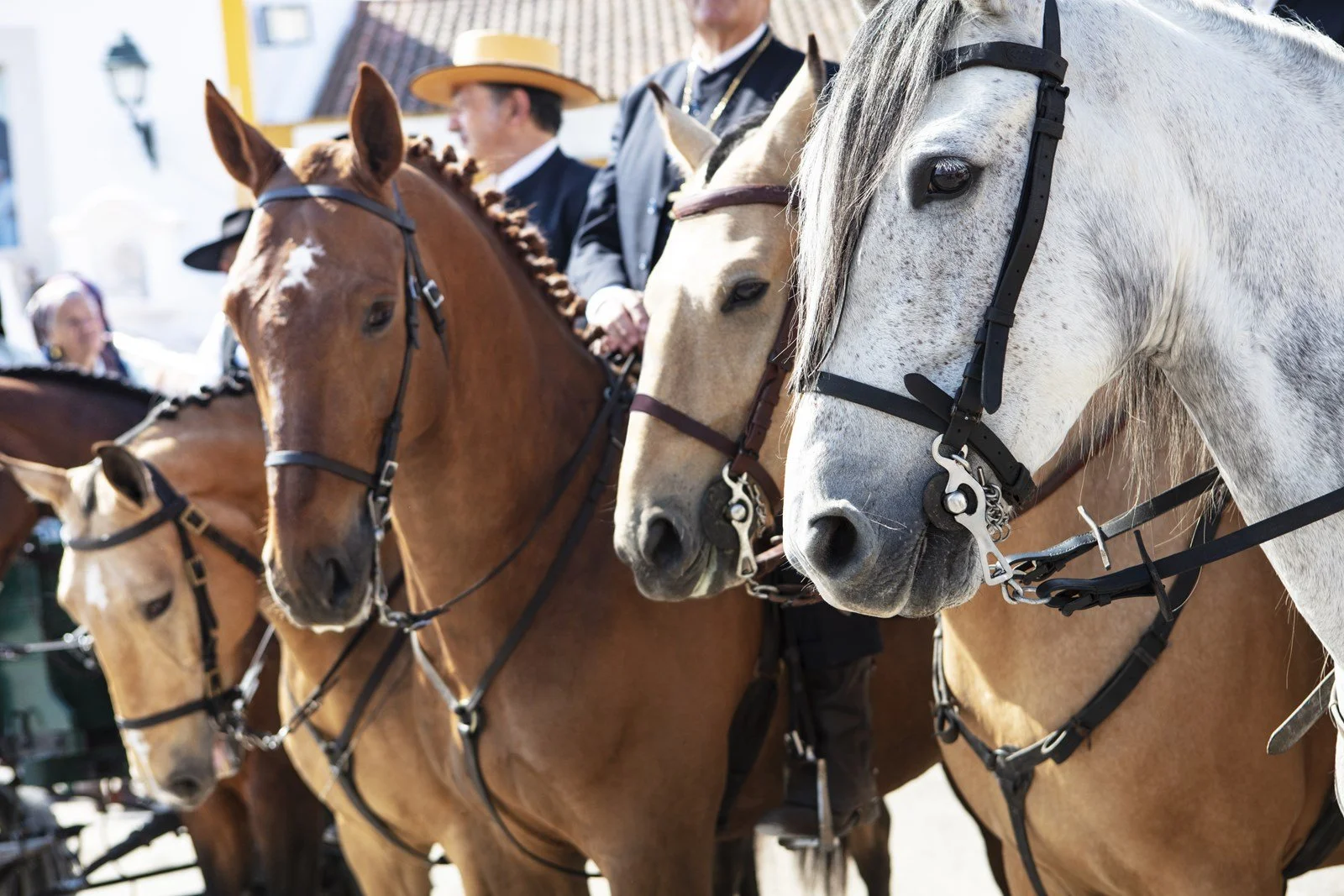
The Lusitano horse is another familiar part of the Alentejo landscape, but the experience available to groups can go considerably further than a conventional ride.
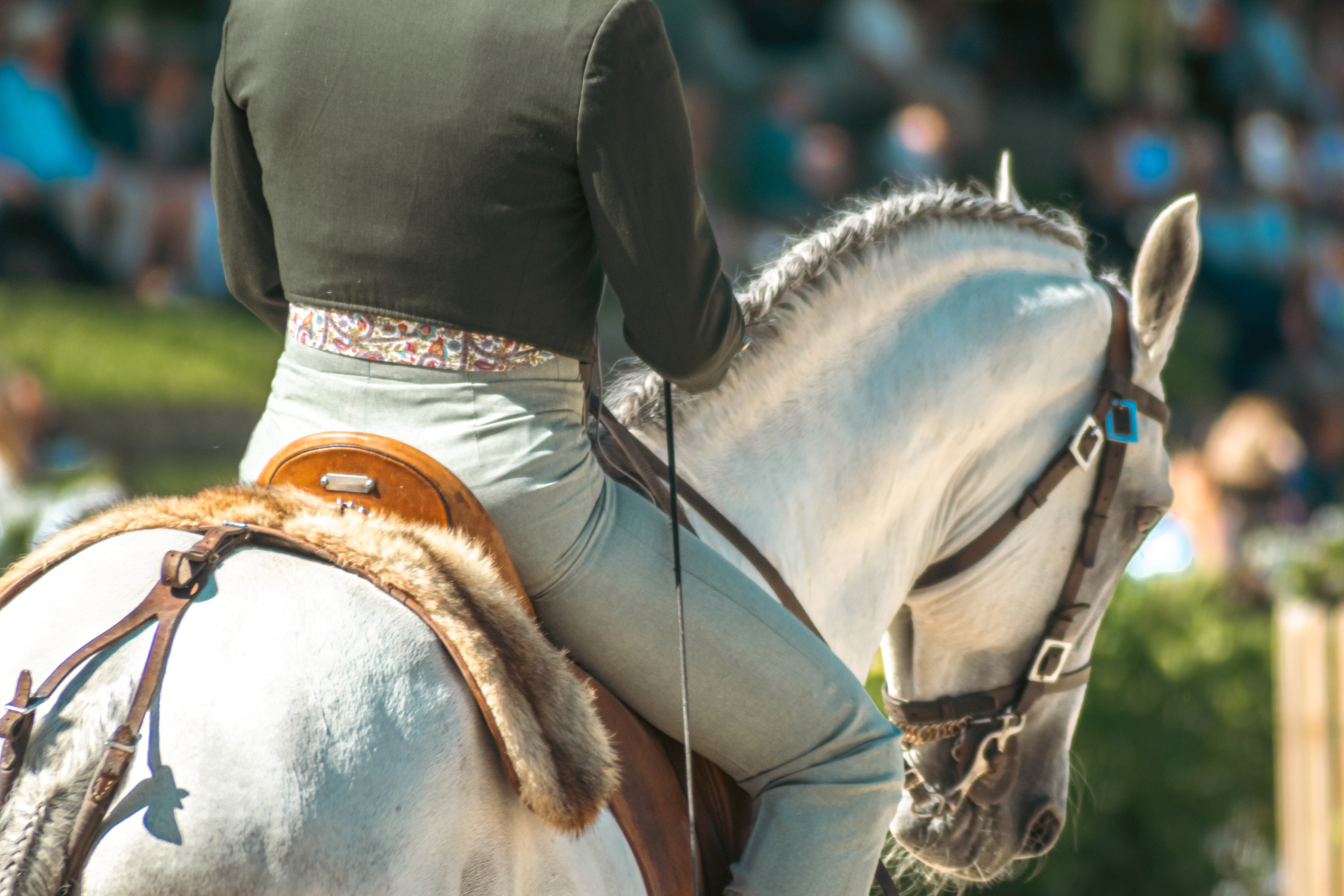
Portuguese equestrian art is built around the communication between horse and rider: the training, posture, dress and precise movements that make years of discipline appear effortless. In 2024, UNESCO added the practice to its Representative List of the Intangible Cultural Heritage of Humanity.
The Alter Stud Farm at Alter do Chão provides a particularly strong setting in which to explore that heritage. Founded in 1748, it continues to breed Alter Real Lusitanos on the same site, offering a direct connection between the history of Portuguese horsemanship and its living practice.
A privately arranged visit might take a group behind the scenes of the stables, introduce the work of the trainers, and culminate in an equestrian demonstration. With the right commentary, guests begin to recognise the subtle exchanges between horse and rider rather than seeing only the finished performance.
The result is elegant and visually compelling, but its value comes from understanding what is being seen.
The Voice of the Alentejo
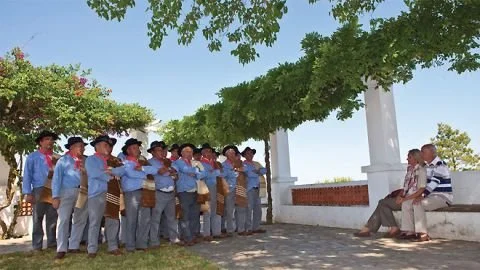
Photo: Turismo do Alentejo
If cork gives the Alentejo a material language, Cante gives it a voice.
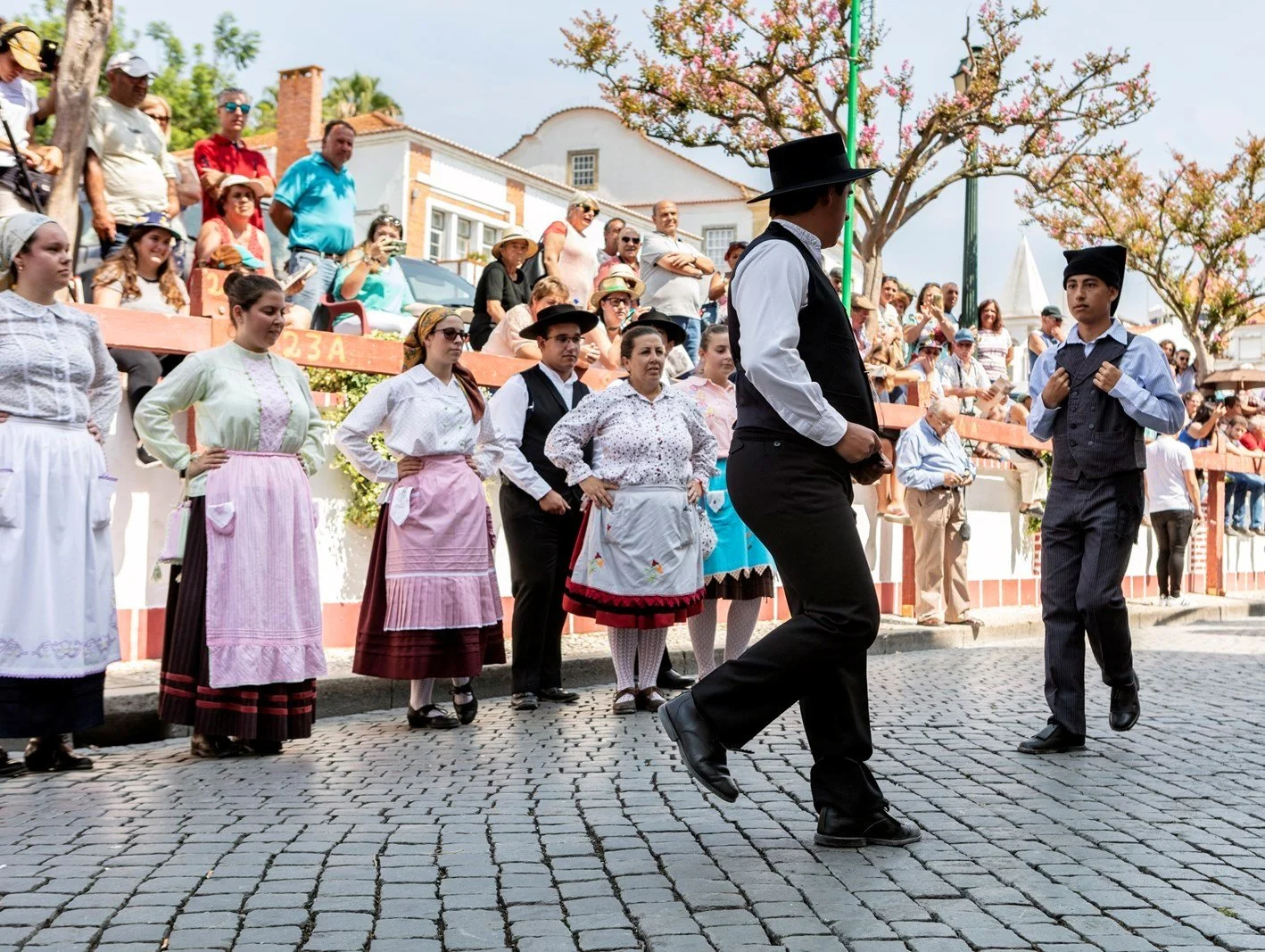
Cante Alentejano is an unaccompanied choral tradition associated most closely with the lower Alentejo and the district of Beja. One voice begins, another answers, and the wider chorus joins. The songs speak of work, love, longing and the landscape, reflecting a tradition once heard in fields, taverns and community gatherings.
Recognised by UNESCO in 2014, Cante is still sustained by local choral groups and associations. That living connection is why it deserves more than a brief appearance as atmospheric entertainment.
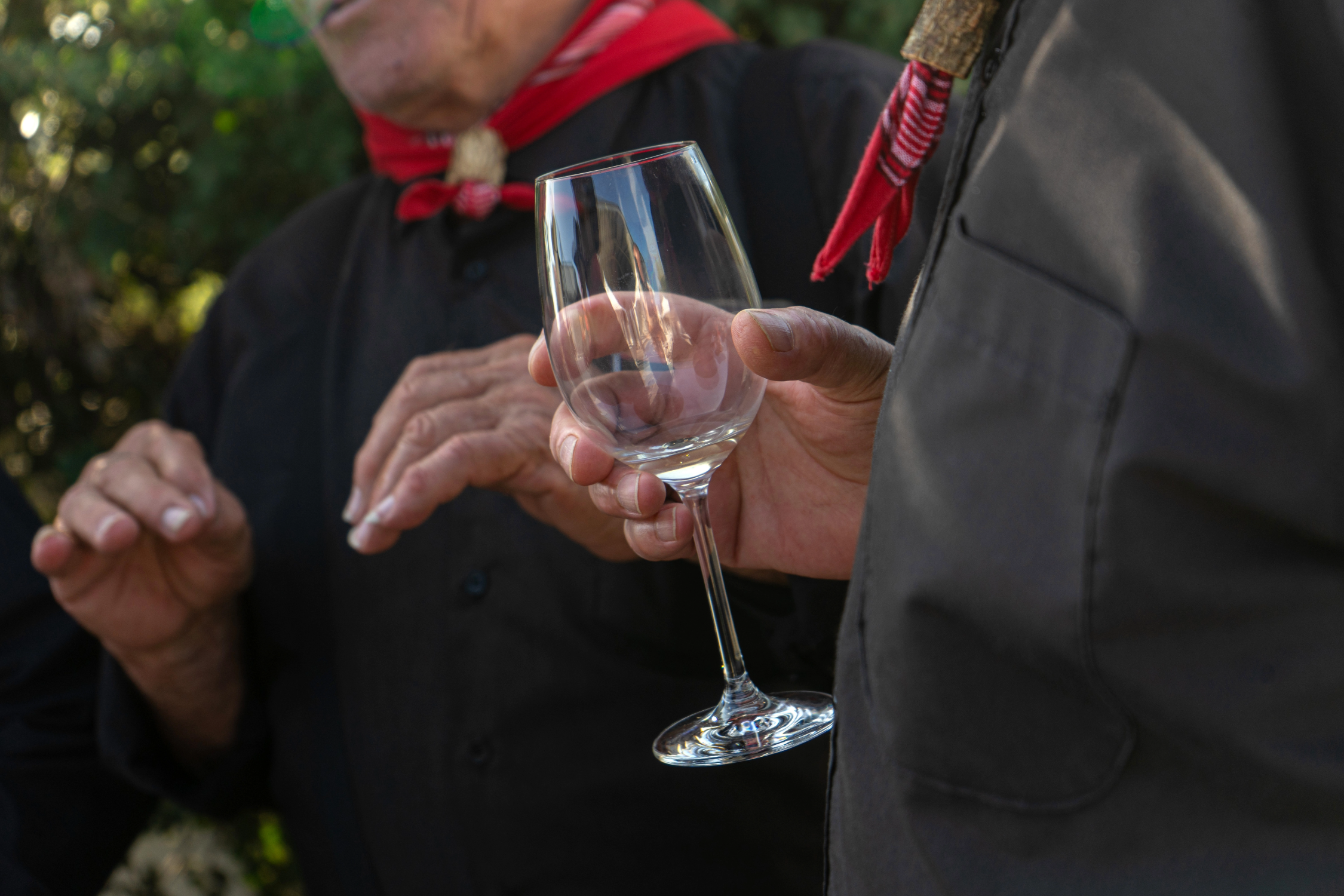
Imagine instead a private dinner in a courtyard, winery or historic estate. Before the performance, a local host explains the form and translates the meaning of the songs. The chorus then performs without elaborate staging or amplification, close enough for guests to experience the physical force of the voices coming together.
Give the Programme an Alentejo Identity
A temptation with a region this culturally rich is to include everything. The stronger programme will select the traditions that best suit the group, allowing each to play a particular role alongside the landscape, hospitality and more-relaxed pace of the region.
Cork can introduce the landscape and create a thread that continues through wine, design and gifting. Pottery or embroidery can provide a shared, hands-on experience in smaller groups. Lusitano horsemanship can bring scale and elegance, while Cante can transform an evening through little more than voices, setting and context.
Food and wine can connect these moments naturally: a long-table lunch on a cork estate, a tasting between artisan visits or a dinner served on locally made ceramics before a Cante performance. They do not need to compete with the cultural story; they help it flow.
Comporta provides a natural coastal doorway into the Alentejo, but travelling inland reveals another side of the region: pottery villages, historic towns, working estates and traditions sustained by the communities around them. Together, they allow a programme to move through contrasting landscapes without losing its sense of identity.
Guests leave not simply having seen the Alentejo, but with an understanding of what it is made of, who keeps its traditions alive and why their incentive could only have happened here.