
Healing is the New Luxury: Uncovering the Power of Mindful Travel in Thailand
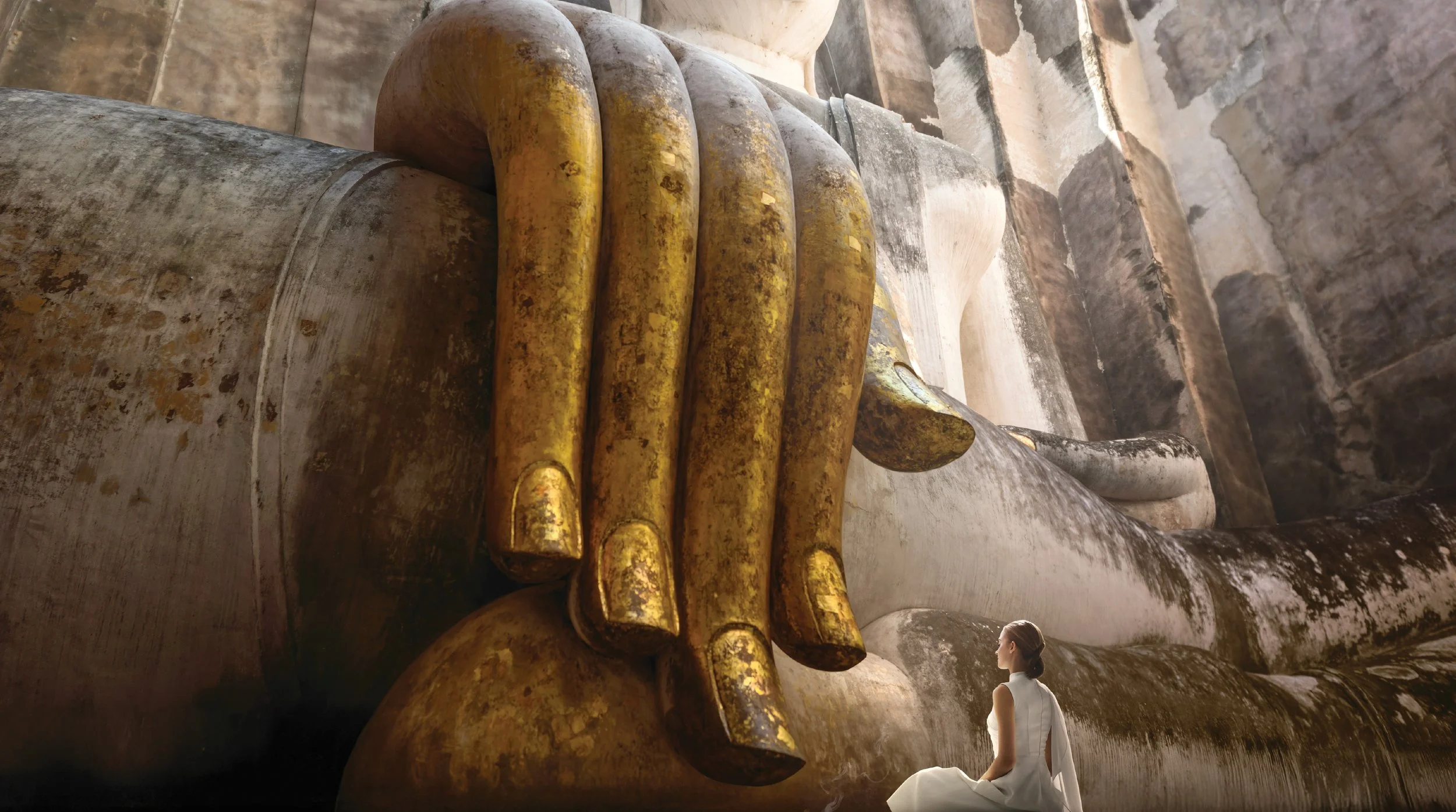
What does luxury travel mean now, and what do people actually remember when they return home? The answer is shifting. Today’s high-end programmes are expected to do more than impress; they are expected to restore, connect and leave a genuine emotional imprint.
That is the space Thailand has stepped into with confidence. In launching “Unforgettable Experience: Healing is the New Luxury,” the Tourism Authority of Thailand (TAT) positioned the country not simply as a beautiful destination, but as “a sanctuary for the senses,” where rejuvenation comes through meaningful connections, mindful travel and the Thai way of life. The campaign broadens the idea of wellness well beyond spas and treatment rooms, embracing food, beaches, cafés, creative spaces and the warmth of Thai hospitality. TAT’s own language is telling: “travel has become a form of healing.”
Just as importantly for planners, this is not a one-off creative line. It sits inside a broader national shift towards quality-led, purpose-led tourism. TAT’s “New Thailand” direction for 2026 is built around value over volume, emotional depth and sustainable growth, while Thailand Convention and Exhibition Bureau (TCEB) continues to position Thailand as a serious business-events destination with a strong service-support system. Bangkok, in particular, is presented by TCEB as a city of “endless potentials,” with culture along the Chao Phraya River and the infrastructure to support major incentive and event programmes.
Retreats for Transformations
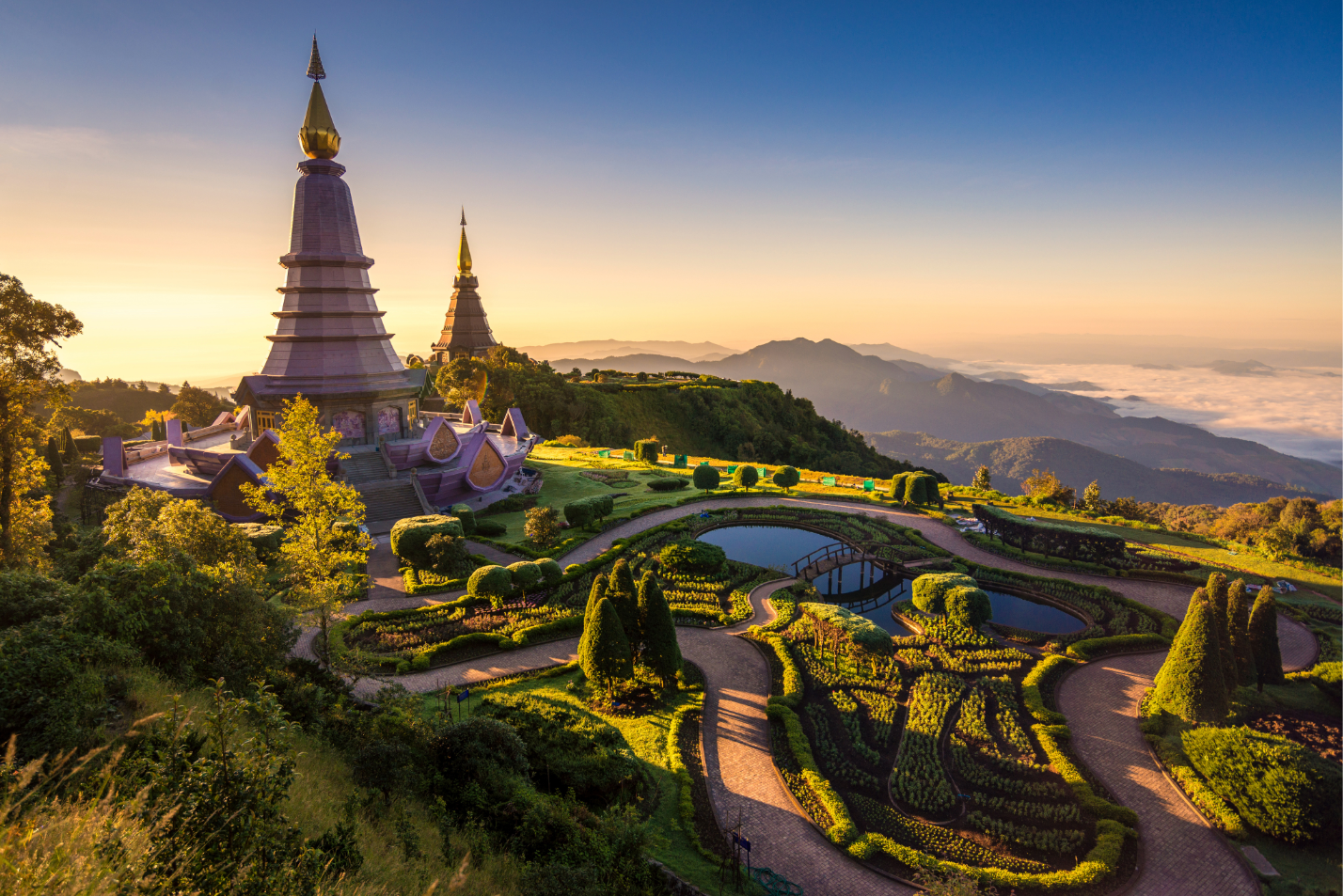
For incentive programmes, Thailand offers something rare: the ability to move a group from external achievement to internal recalibration without losing the sense of occasion. TAT’s current wellness narrative places Chiang Mai at the centre of that idea, with meditation retreats, traditional Lanna healing centres and long-established practices such as Nuat Thai and Tok Sen. The north also lends itself to nature-based restoration, with mountain landscapes, Doi Inthanon, Mae Kampong and the kind of slower rhythms that help teams exhale properly.
-
Nuat Thai is what most people know as traditional Thai massage. It’s sometimes called “Thai yoga massage” because of the assisted stretching involved.
Uses stretching, pressure, and movement
Therapist uses hands, elbows, knees, and sometimes feet
Works along the body’s Sen energy lines
Usually done fully clothed on a mat
Feels like a mix of massage + yoga + acupressure
The goal is to release tension, improve flexibility, and balance energy flow. It can be quite deep, but also very grounding.
-
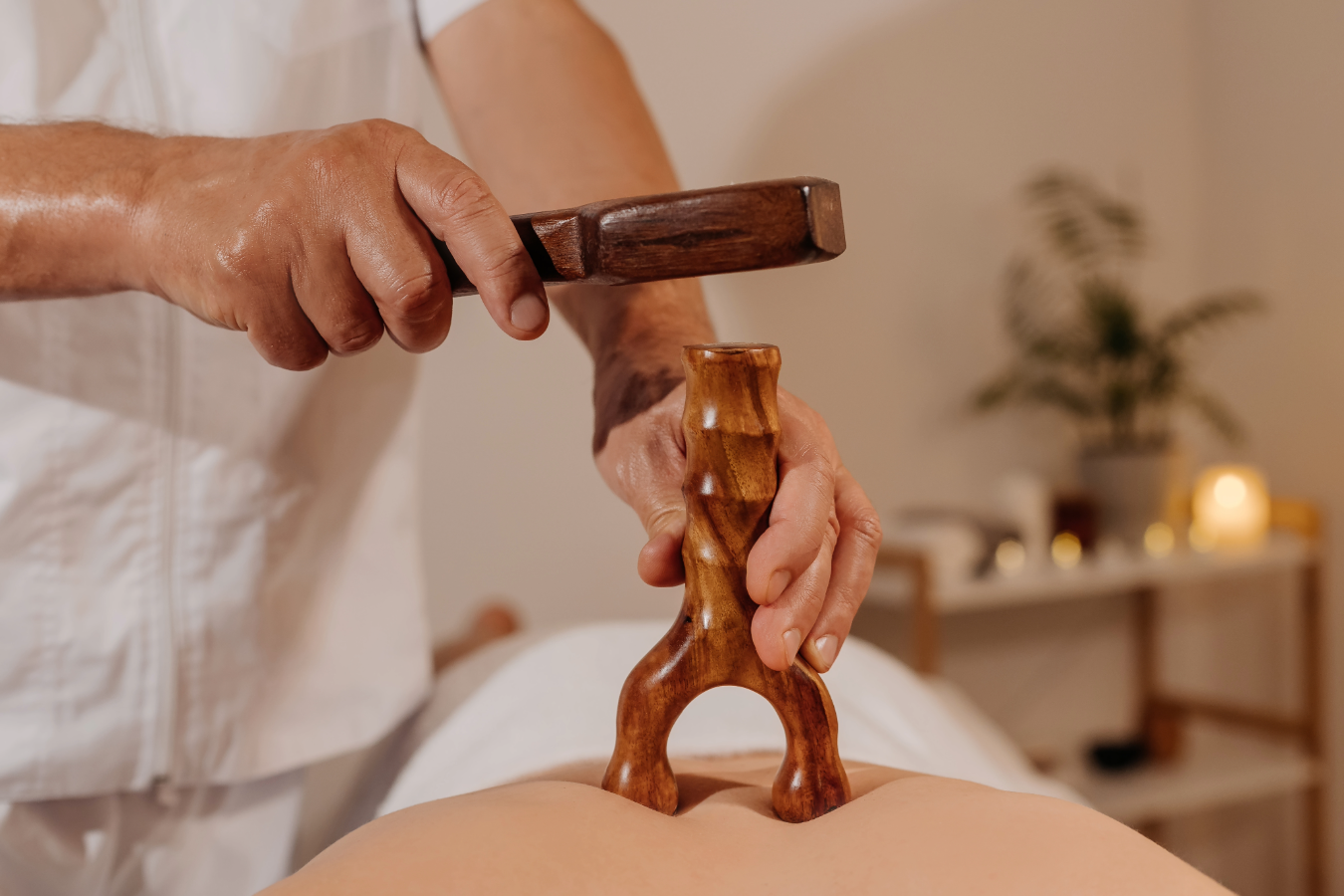
Tok Sen is much more unusual and originates from Northern Thailand, particularly around Chiang Mai.
Uses a wooden hammer and chisel-like tool
The therapist rhythmically taps along muscles and energy lines
Produces a vibrational sensation that travels deep into tissue
Often quieter and more meditative than it sounds
Traditionally used to release stubborn tension or energy blockages
Despite the hammer, it’s not painful — the vibration actually helps muscles relax in a unique way.
That transformation doesn’t need to be confined to the north. Phuket and Ko Samui are places where wellness resorts build bespoke detoxification, yoga and stress-management programmes around nature, sunrise movement and mindfulness in lush surroundings. In a luxury incentive context, that means a planner can build a journey that is not only beautiful, but genuinely restorative at every stage.
Rituals for Manifestations
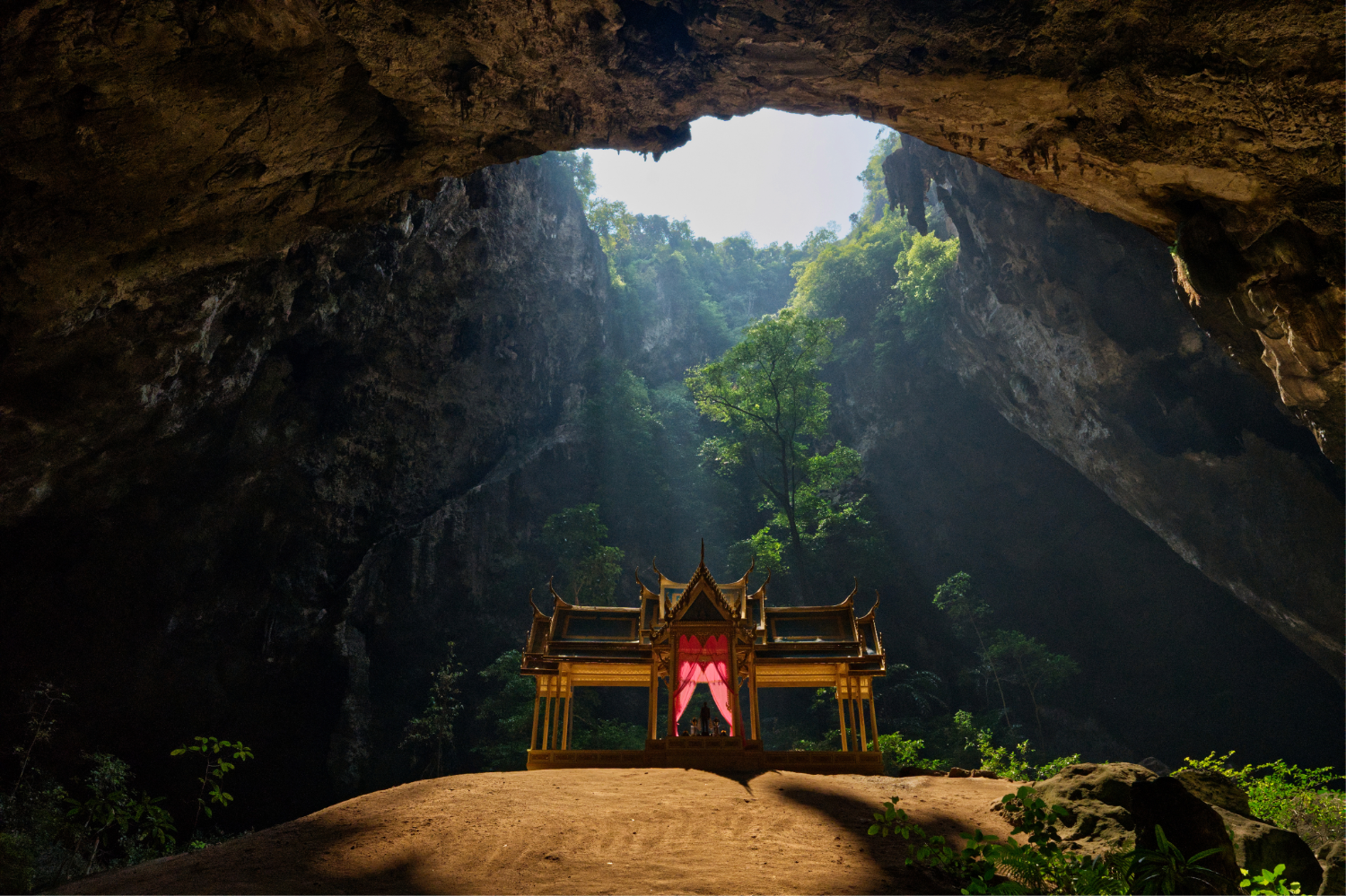
Phraya Nakhon Cave
The strongest incentive programmes often have a ritual at their heart: a moment that frames the experience and gives it meaning. Thailand is particularly rich in these moments because wellness is culturally embedded into their day-to-day. Traditional healing wisdom, Thai massage, meditation and the local philosophy of calm-hearted hospitality is part of the country’s wellness identity and makes Thailand an ideal playground for planners who want to build programmes around intention-setting, reflection and transformation rather than simply celebration.
-
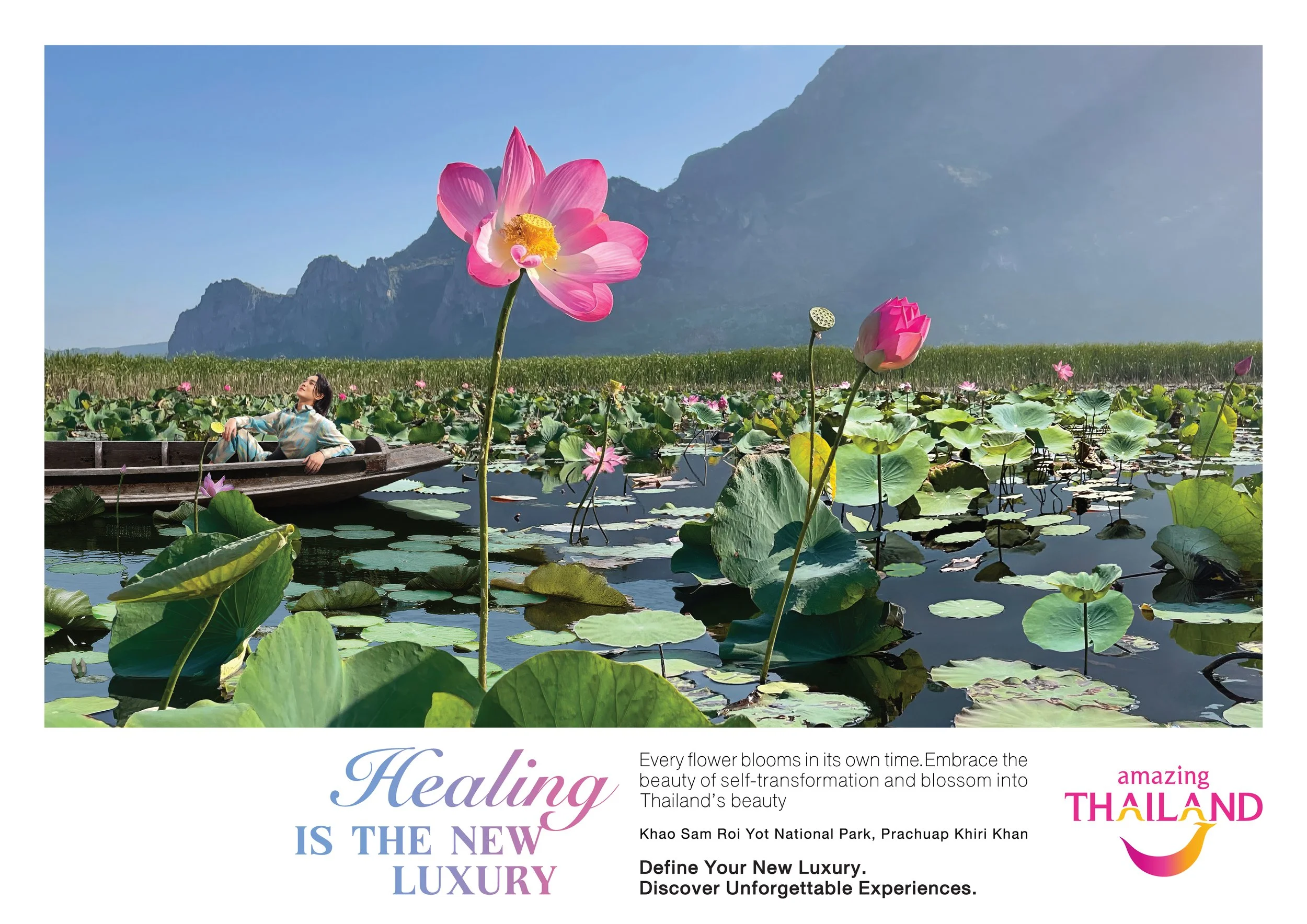
Khao Sam Roi Yot National Park, Hua Hin
Hidden within Phraya Nakhon Cave lies one of Thailand’s most symbolic spaces of quiet reflection and natural healing. Accessible via a short hike and boat journey, the cave opens dramatically to the sky, allowing sunlight to illuminate the iconic Kuha Karuhas Pavilion — a royal structure built during the reign of King Chulalongkorn. The experience of entering the cavern, moving from dense jungle into a vast, light-filled chamber, creates a natural moment of pause and introspection.
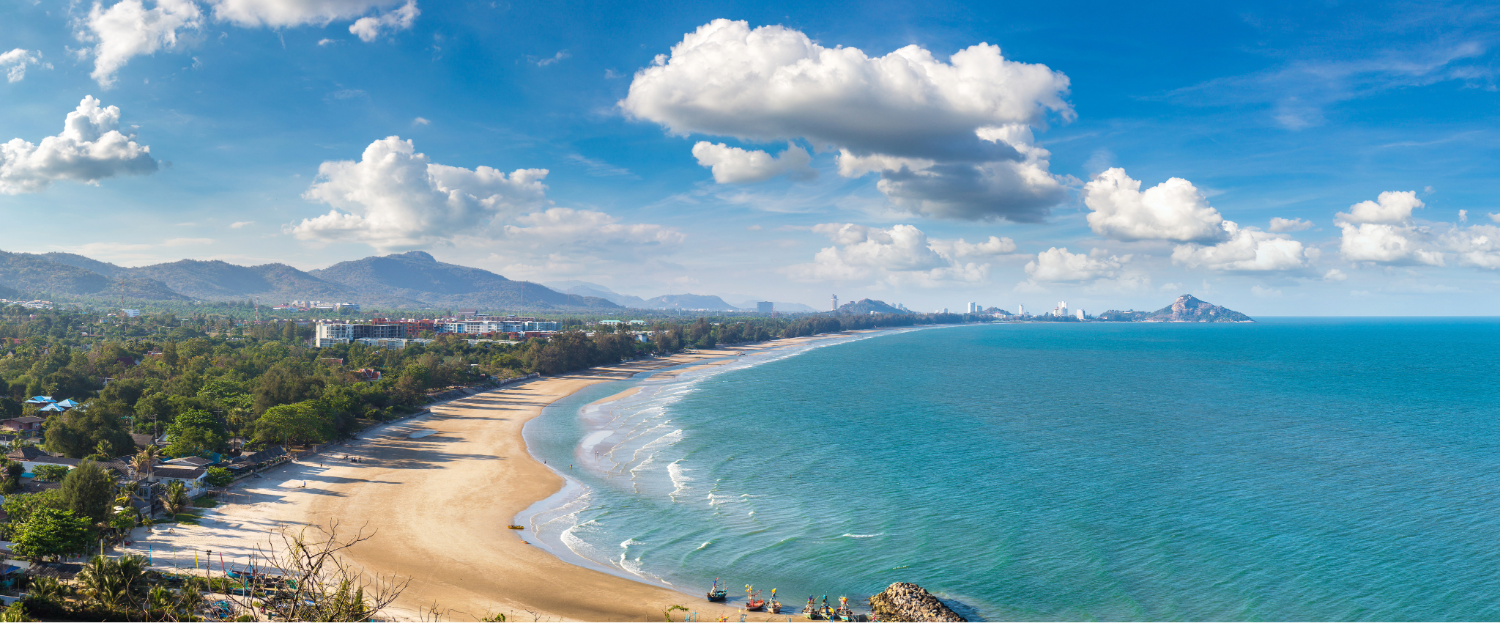
This is where Thailand becomes especially powerful for “manifestation-themed” itineraries. A programme might begin with a quiet arrival ritual in Bangkok, continue with a mindful welcome in Chiang Mai, and culminate in a personal reset by the sea in Phuket or Hua Hin. Hua Hin, in particular, is notable for its beaches, mountains, golf, and some of the country’s finest spa-retreats, giving planners a natural bridge between performance, pause and reward. The effect is not theatrical for its own sake; it is the kind of considered pacing that lets delegates feel their own transition.

Reels for Joy
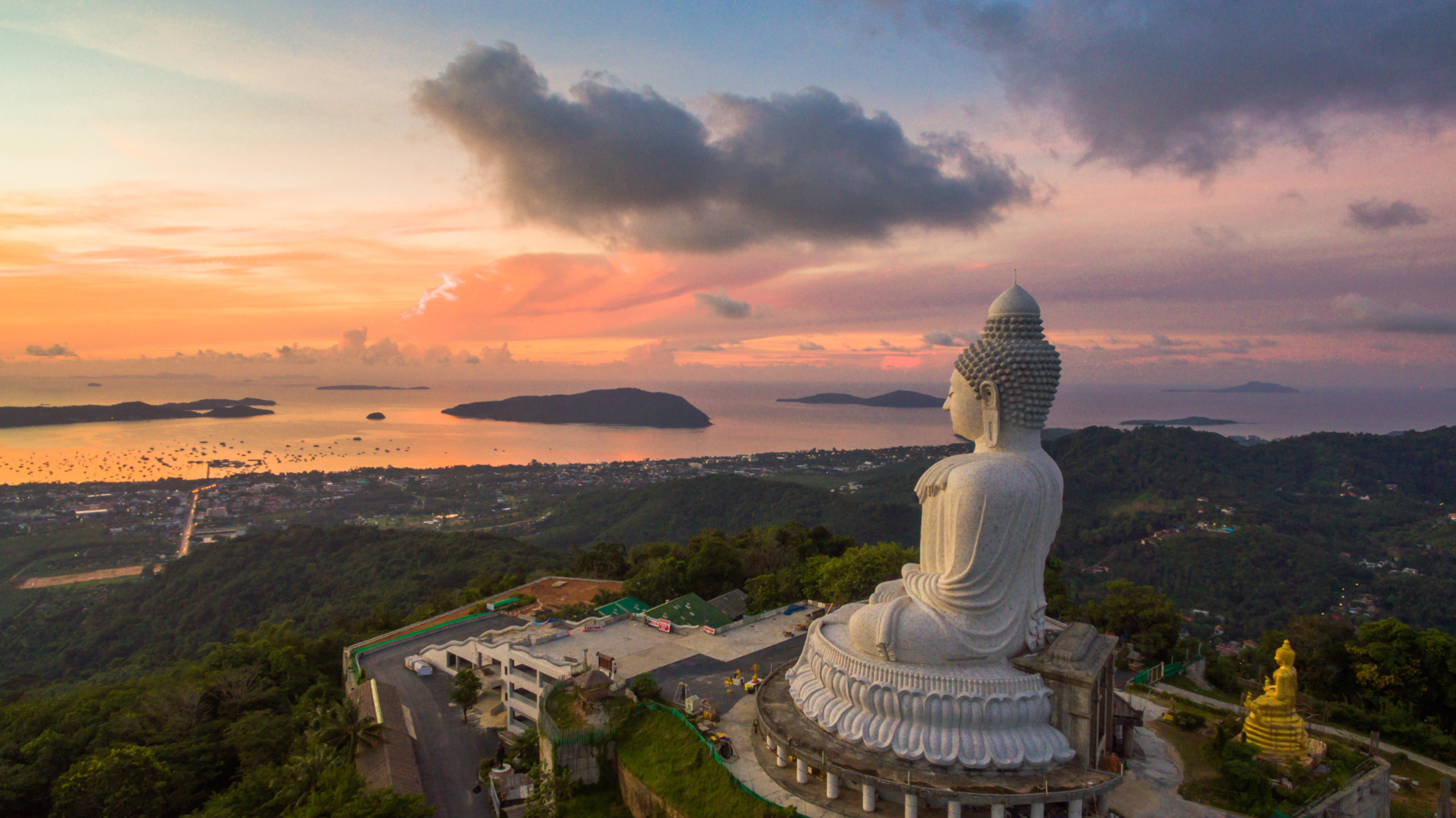
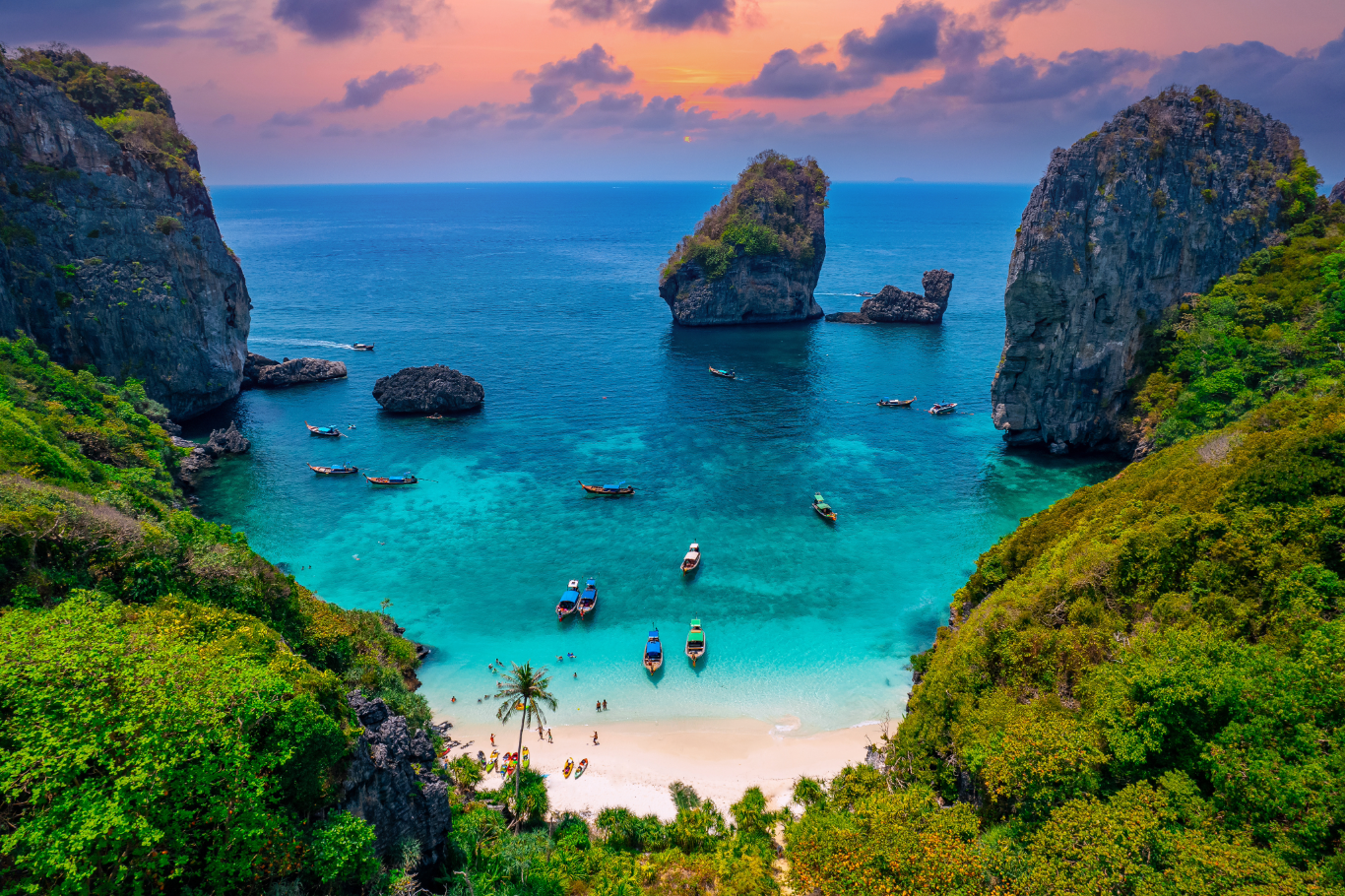
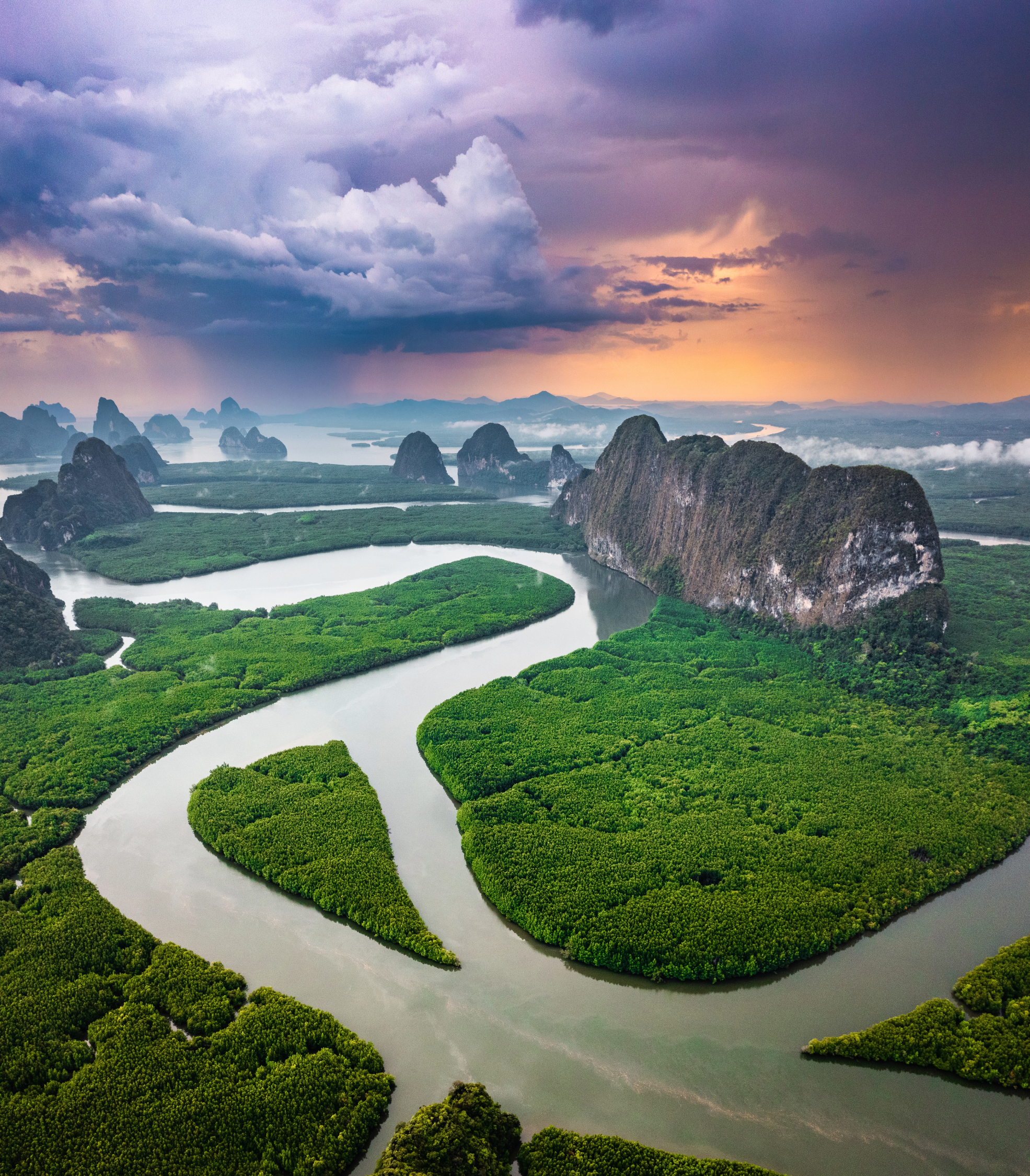
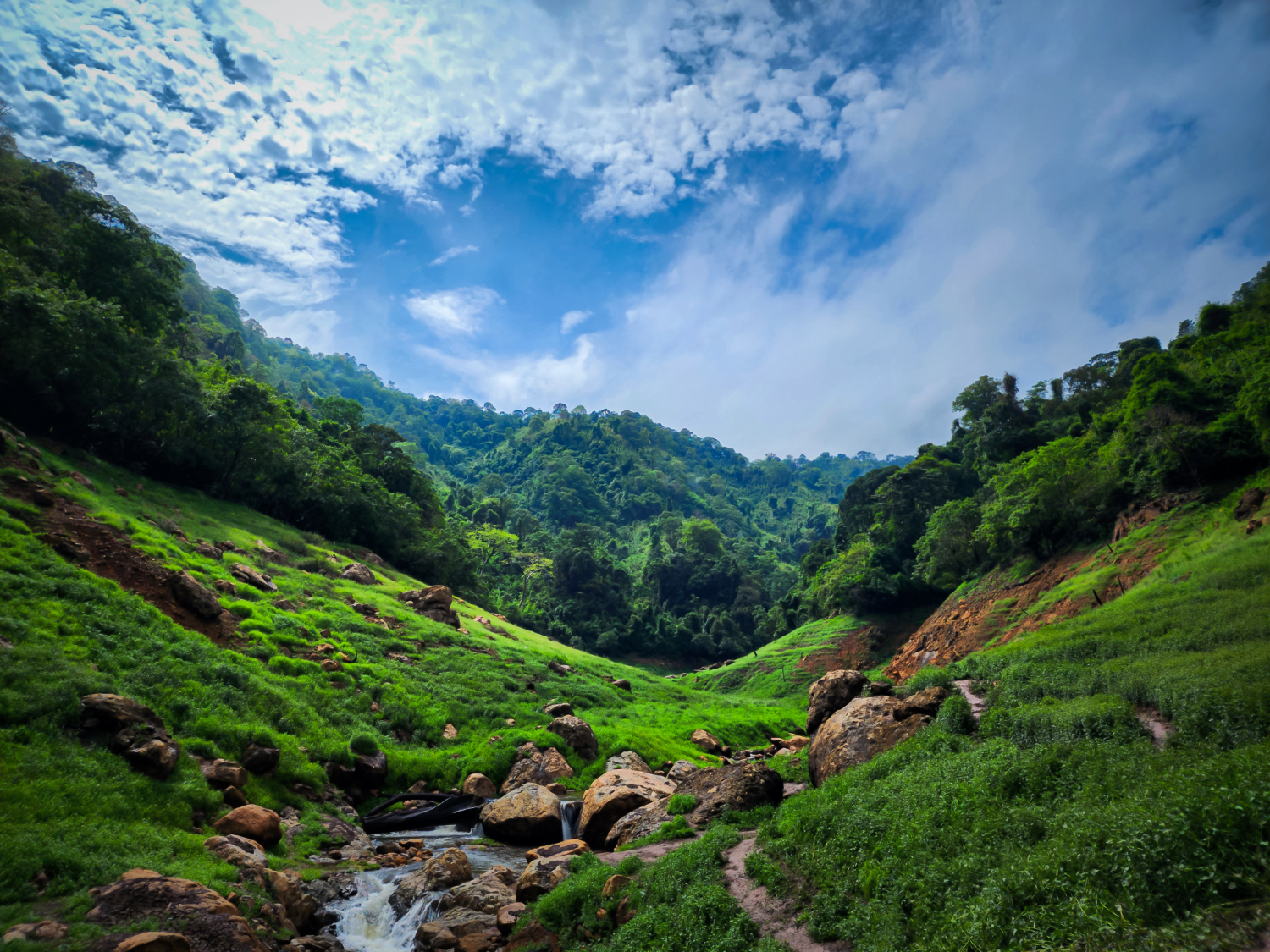
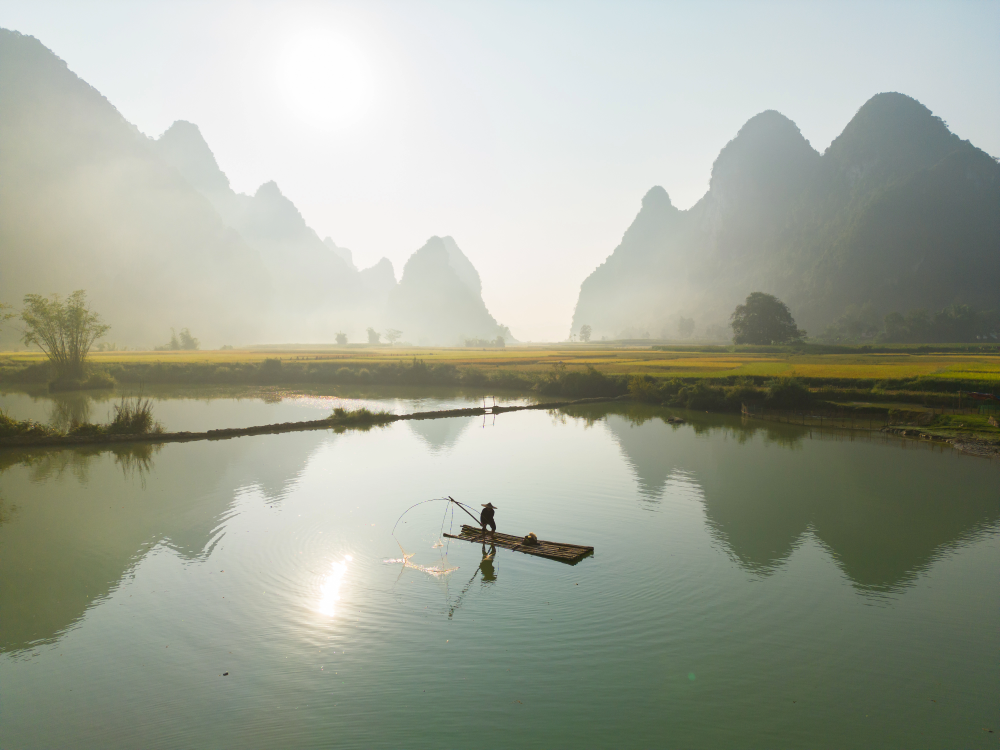
Joy matters in luxury incentives. Not the shallow kind, but the kind that resets a group’s energy and gives them something vivid to carry home. Thailand offers the visual range to match: Phuket’s beaches and sunsets, Krabi’s coral reef vistas, limestone cliffs and hot springs, and northern landscapes that move from misty mountains to rice fields and forest trails. It is a destination that naturally creates moments worth sharing, but more importantly, moments worth remembering.
For incentive planners, that matters because joy is now part of programme design. Delegates no longer want to be simply “taken somewhere nice”; they want texture, beauty and atmosphere. Thailand has that in abundance, from the photogenic calm of the islands to the cultural colour of the cities. Even within a single programme, it is possible to move from temple quiet to beachside ease to rooftop vibrancy without breaking the emotional thread of the trip. That variety is one of the country’s quiet superpowers.
Rhythms for High Vibrations
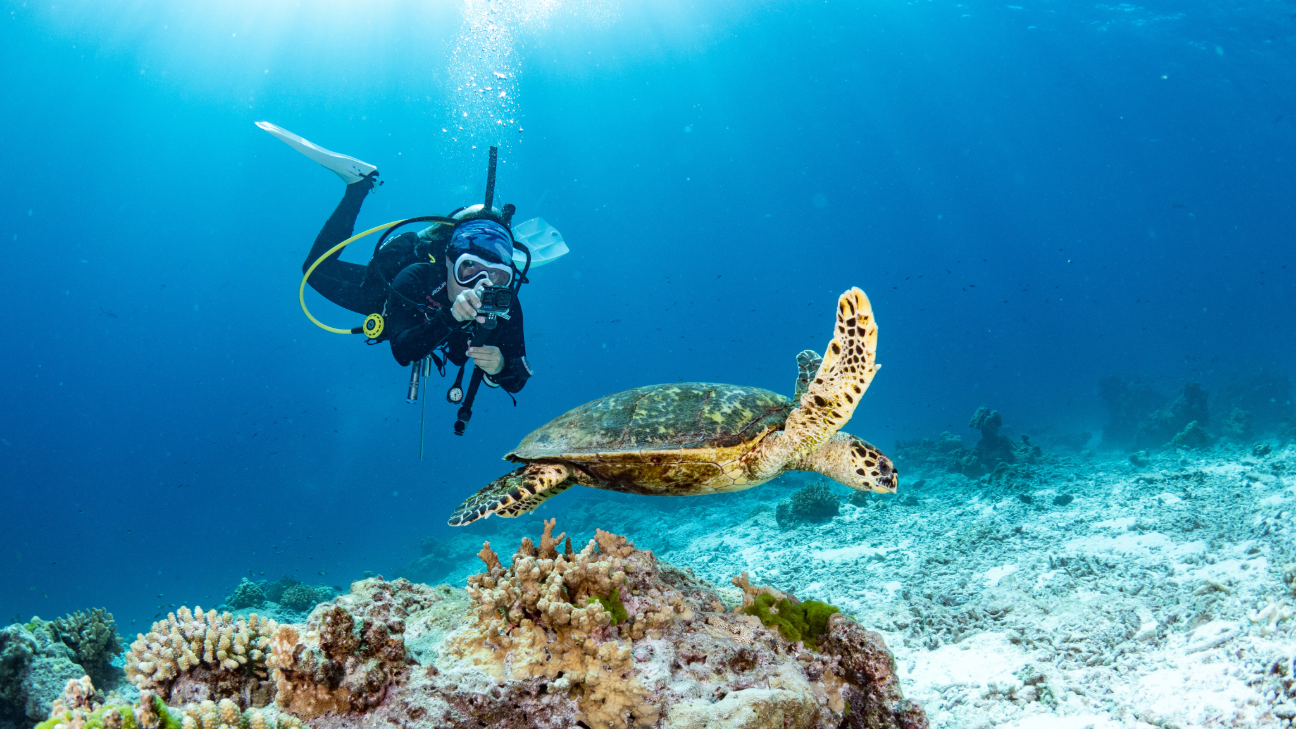
If “healing” can sound passive, Thailand quickly corrects that assumption. The country’s wellness offer is active, energising and deeply tied to the natural world. The Tourism Authority of Thailand’s recent partnership with PADI positions scuba diving as a premium wellness-led experience, blending adventure, restoration and marine conservation. The partnership also underscores Thailand’s credibility as a serious dive destination: TAT says the country issued over 2.5 million PADI certifications in the past 25 years and ranked as the second-largest country globally for PADI certifications in 2025.
That gives planners a compelling language for high-energy programmes with purpose. A day might begin with sunrise paddleboarding or a forest walk, continue with a dive or snorkelling experience, and close with a conservation-led dinner or ocean-side reflection. In Thailand, high vibration is not about constant stimulation; it is about rhythm, breath, movement and a sense of being fully alive in the landscape. That is a powerful emotional signature for an incentive programme, especially for audiences who spend most of their working lives in perpetual motion.
Relations for Connections
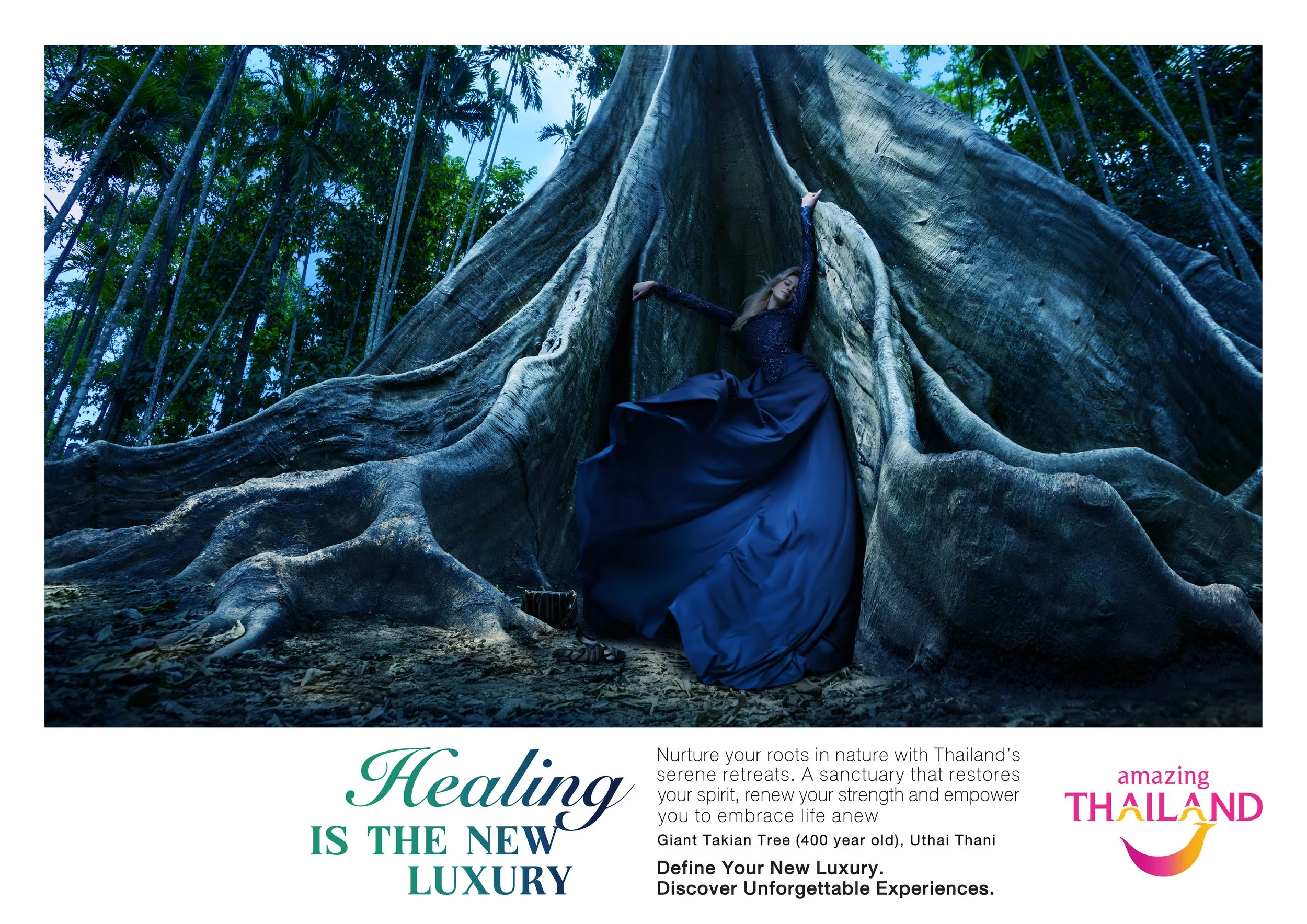
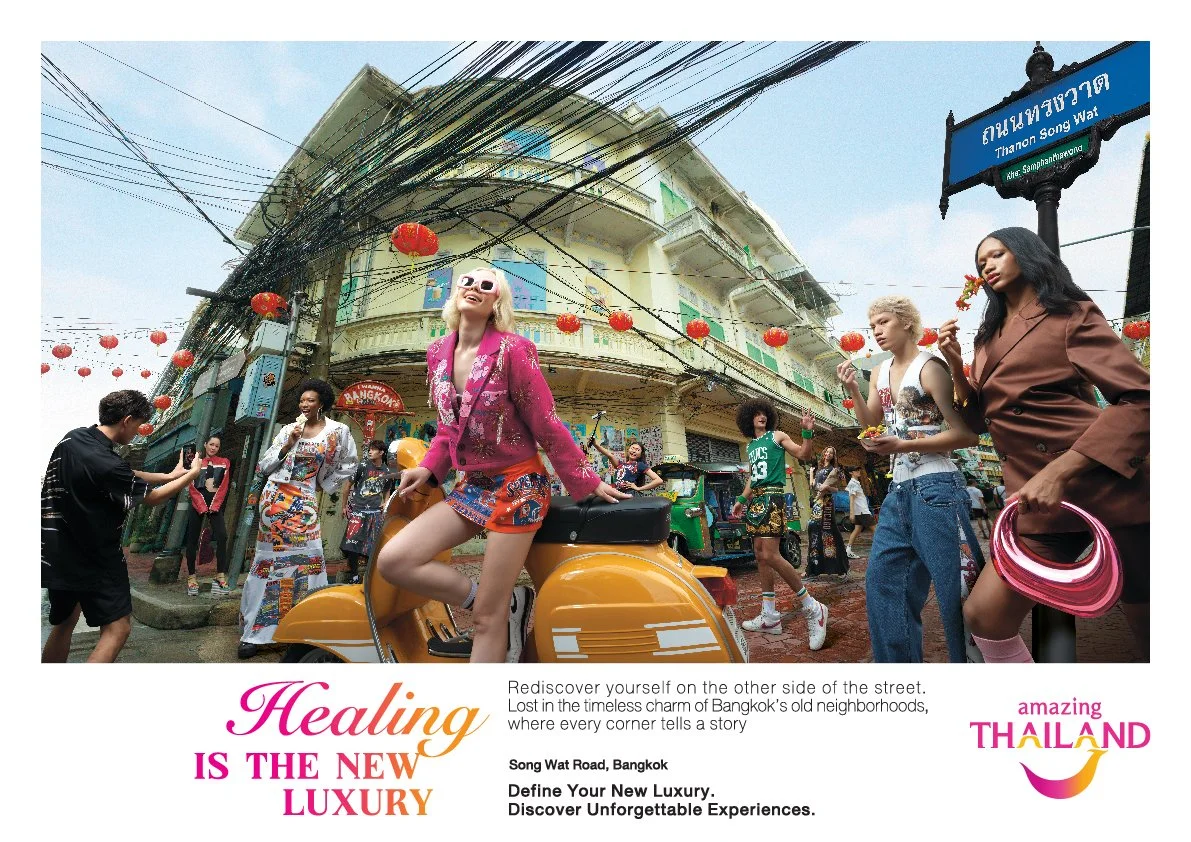
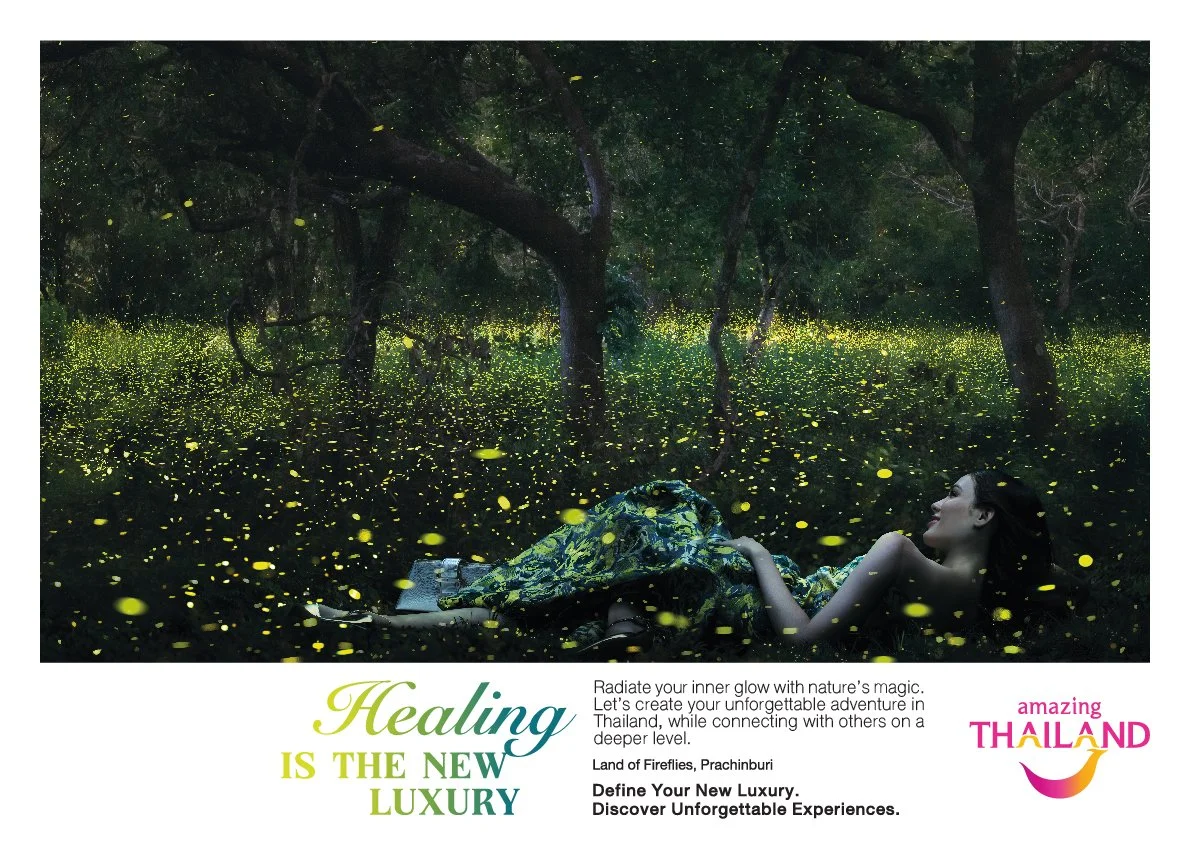
At the heart of TAT’s “Healing is the New Luxury” campaign is a powerful idea: true healing begins with connection — to the natural world, to a slower and more mindful rhythm, to other people, to unfamiliar cultures, and, perhaps most importantly, to parts of ourselves that are often drowned out by the pace of modern life. TAT frames Thailand as a destination where restoration is not confined to spa rituals, but found in the way a journey can help travellers reconnect with their inner selves through people, nature and culture; that thinking is also reflected in the campaign’s five linked dimensions of Retreats, Rituals, Reels, Rhythms and Relations. For incentive audiences, that makes Thailand especially compelling, because it offers a setting where luxury is measured not only by comfort or exclusivity, but by the depth of the experience and the quality of the human connection it creates.
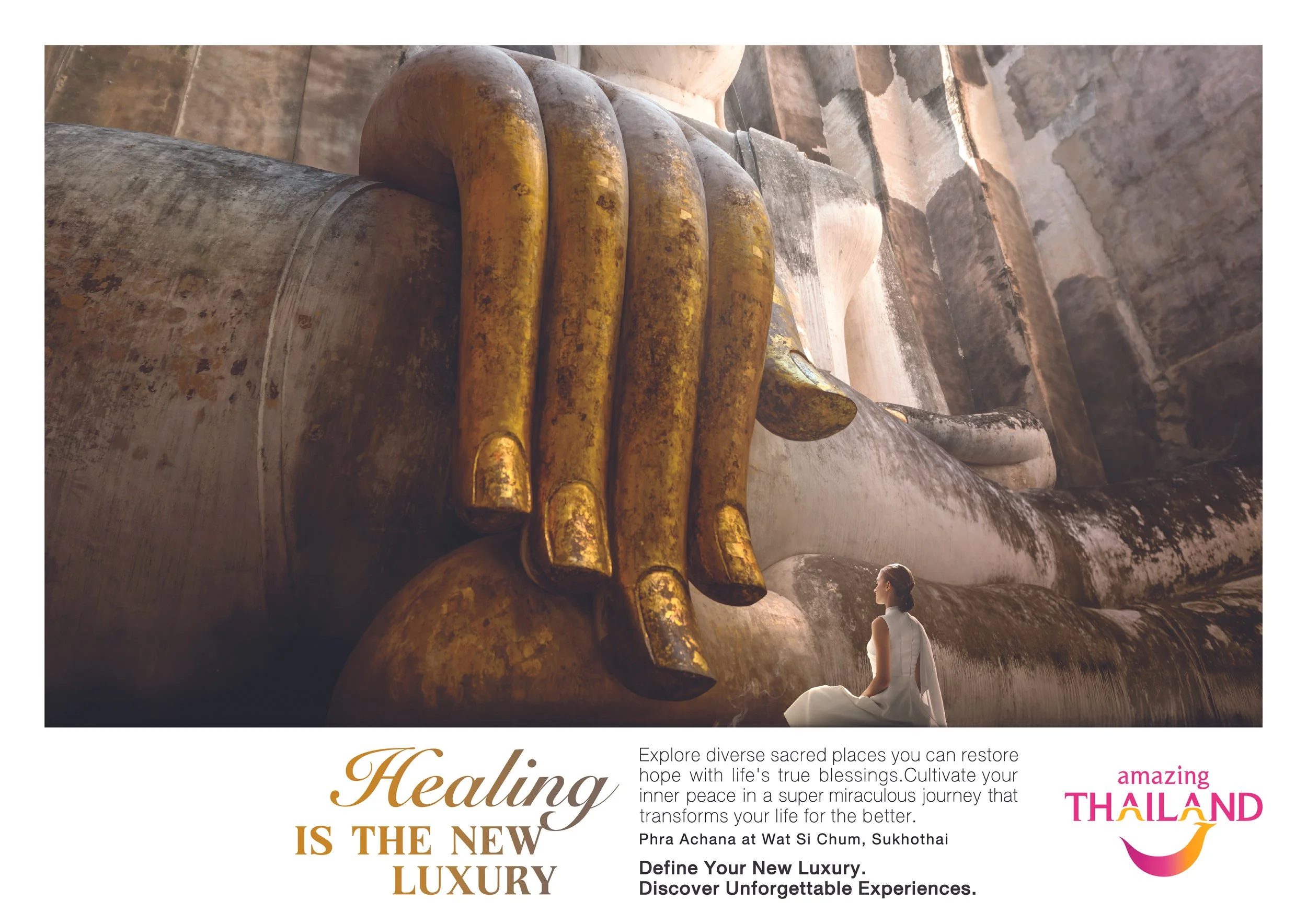
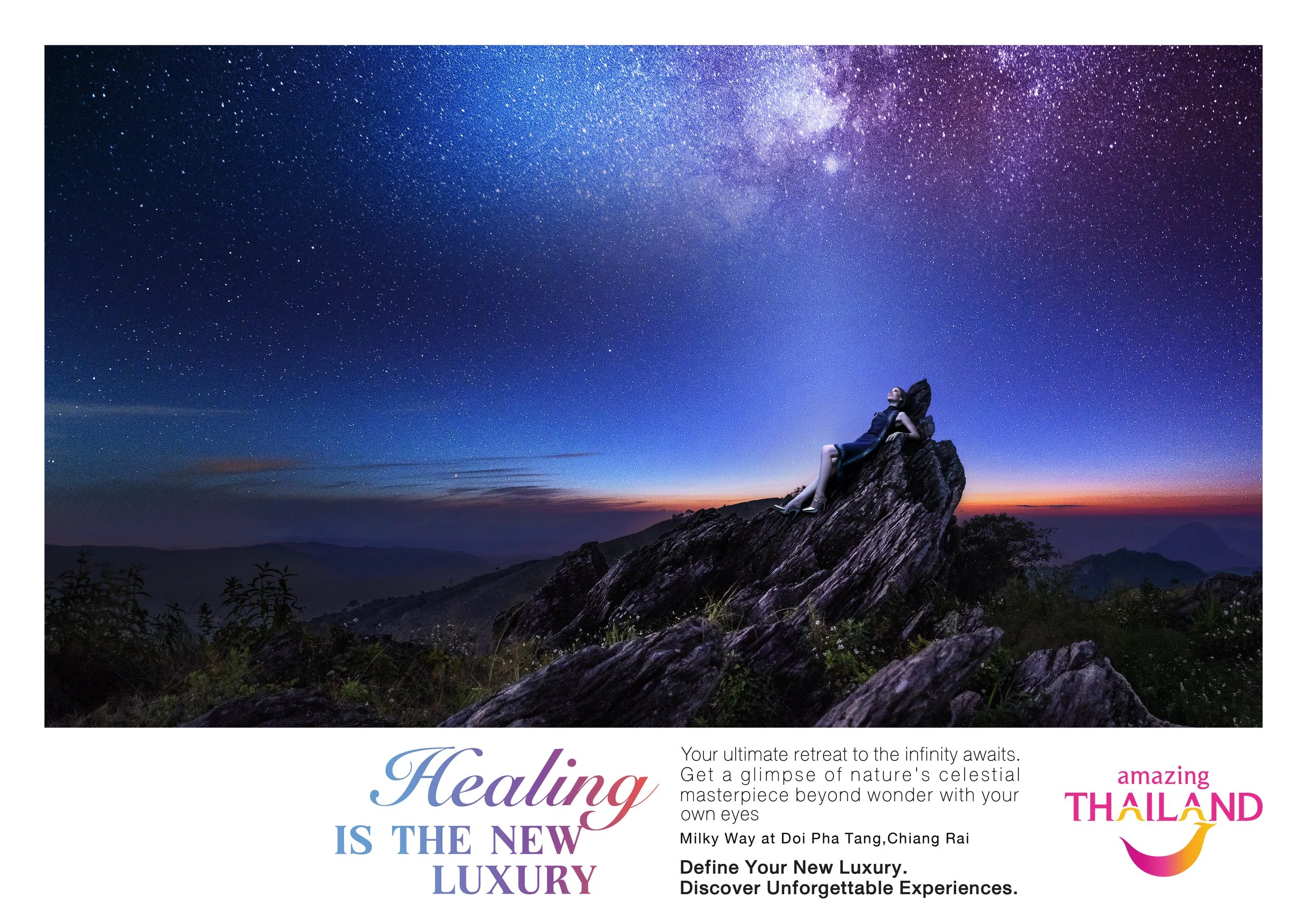
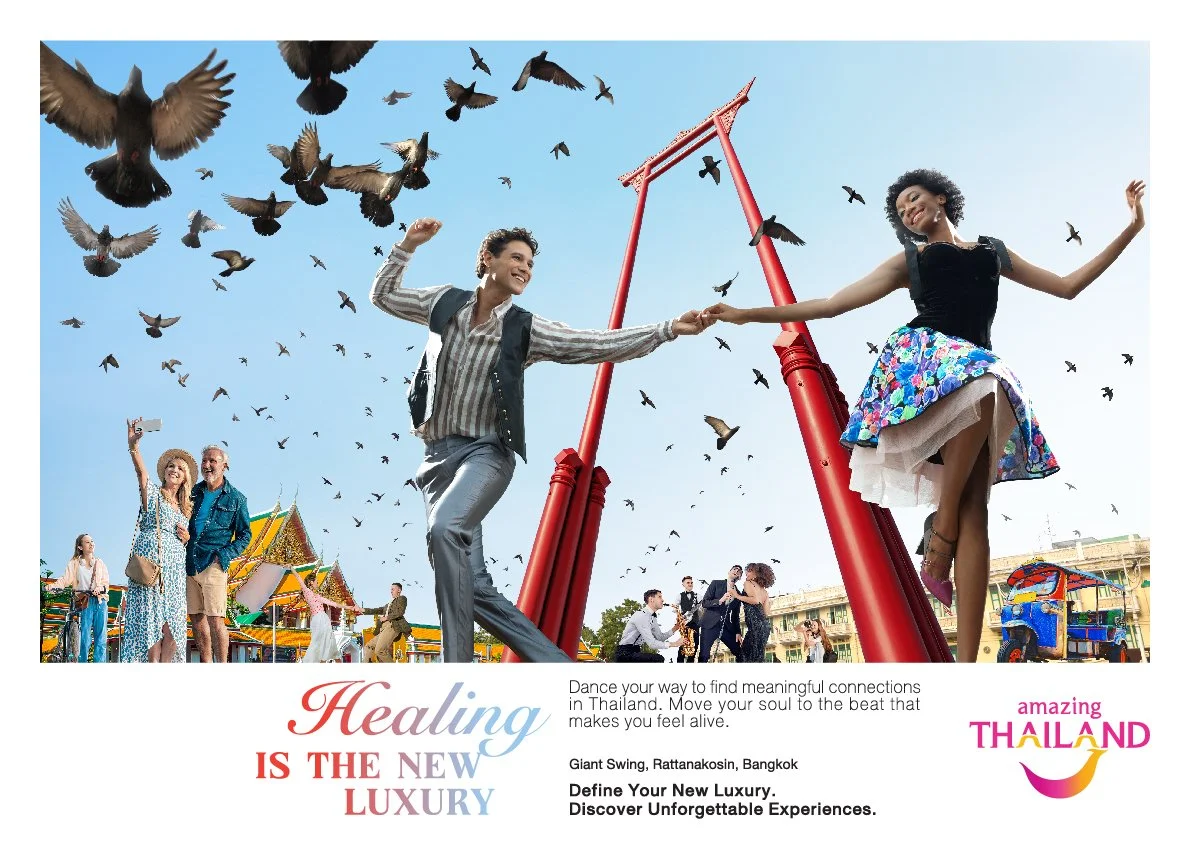
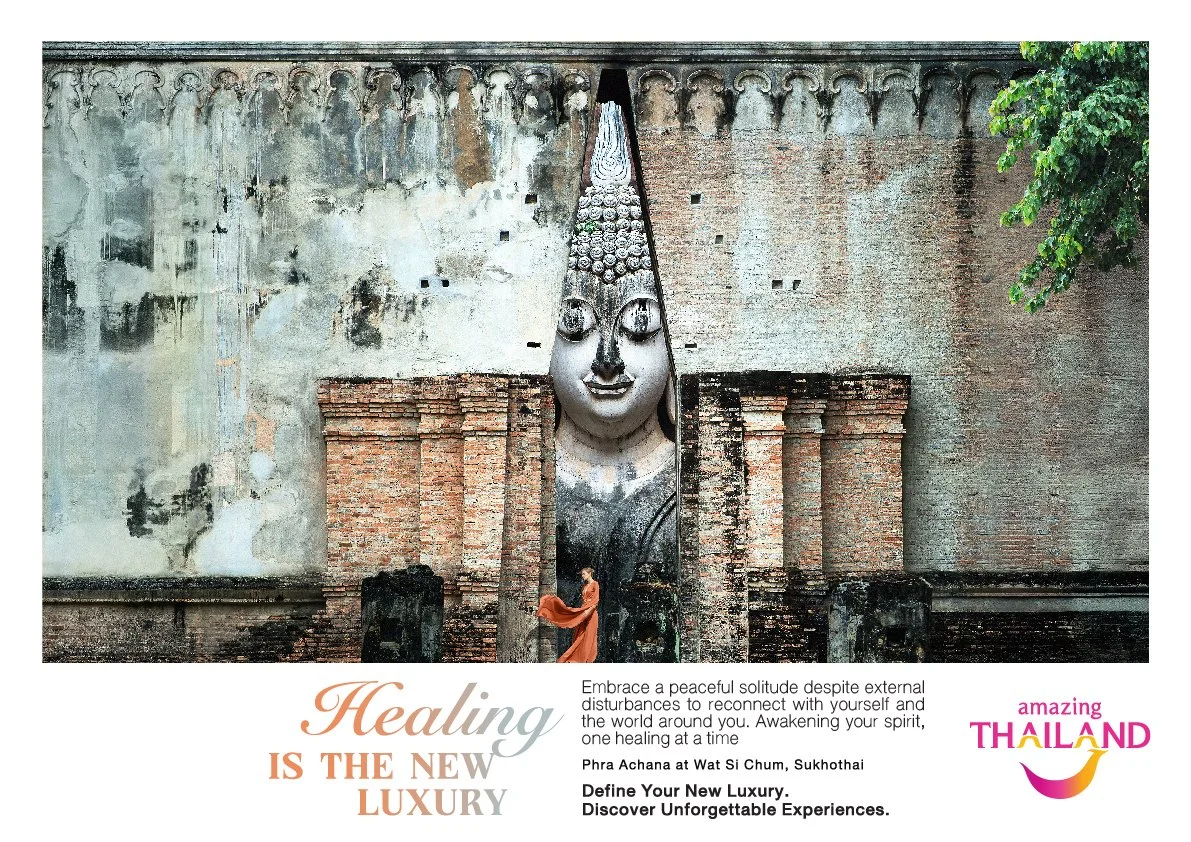
“Healing is the New Luxury” is more than a campaign. It is a planning framework that can give incentive designers a fresh way to think about programme architecture: build in retreat, anchor in ritual, create joy, sustain energy and prioritise connection. Thailand offers the landscape, the hospitality and the infrastructure to make that approach feel natural rather than forced. And for an audience that is always searching for the next destination with depth, that combination is hard to ignore.
We are proud to be partnering with the Tourism Authority of Thailand and Thailand Convention and Exhibition Bureau for inVOYAGE Bangkok (17-20 April 2026).
Find out more about this and our other events, or view the event in live time on our LinkedIn page.