
A 101 Guide to Planning an Event in Thailand
Thailand has long been a favourite for luxury incentive travel - and for good reason. From the vibrant streets of Bangkok to the tranquil beaches of Phuket and the cultural richness of Chiang Mai, the country offers a diversity of experiences that few destinations can match.
Ahead of inVOYAGE Bangkok this April, we caught up with Destination Asia, our host DMC, to find out just why Thailand works so well for high-end events and some insider tips on how to deliver a first-class event there.
Why Thailand
“A country always at the forefront of experiental travel”
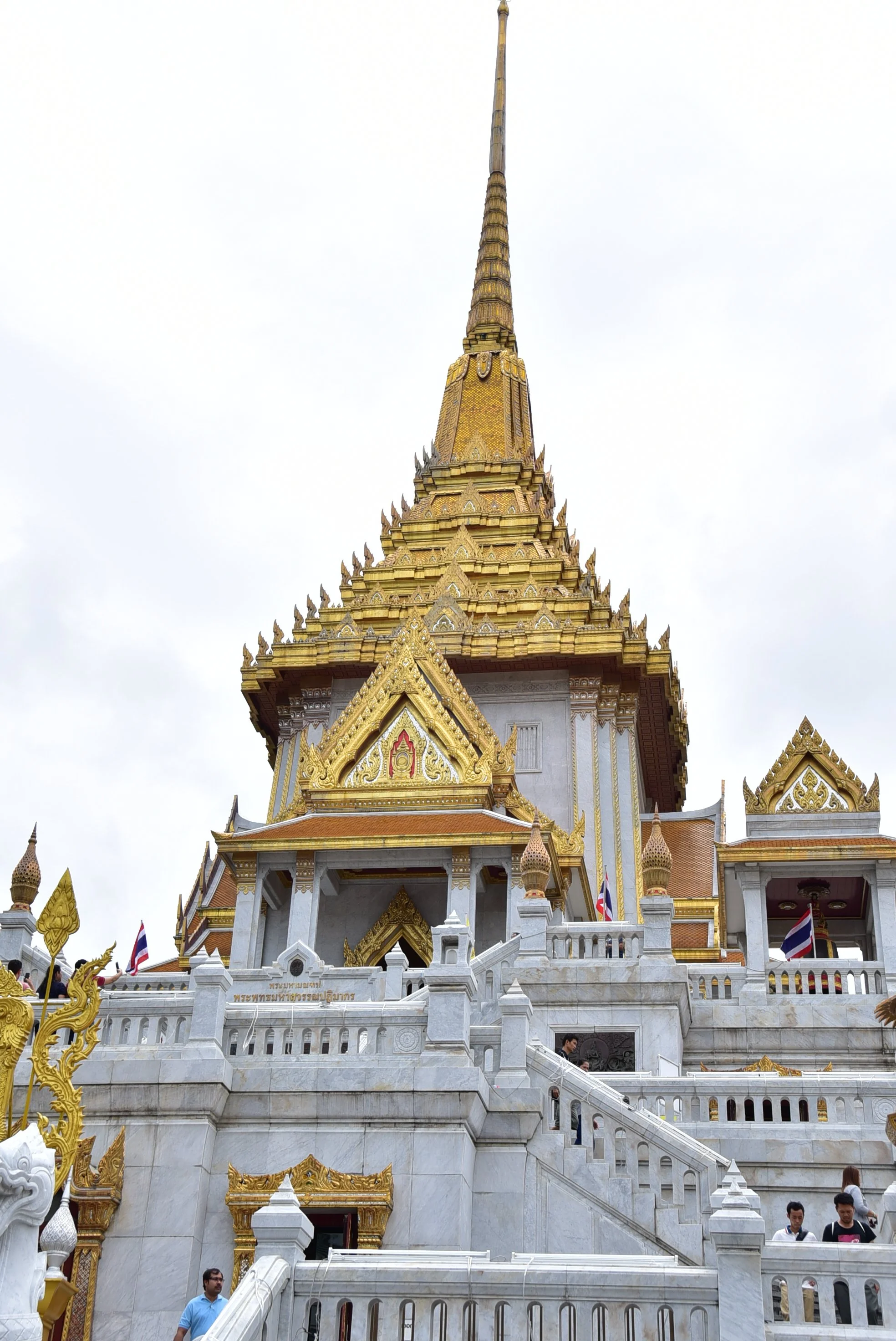
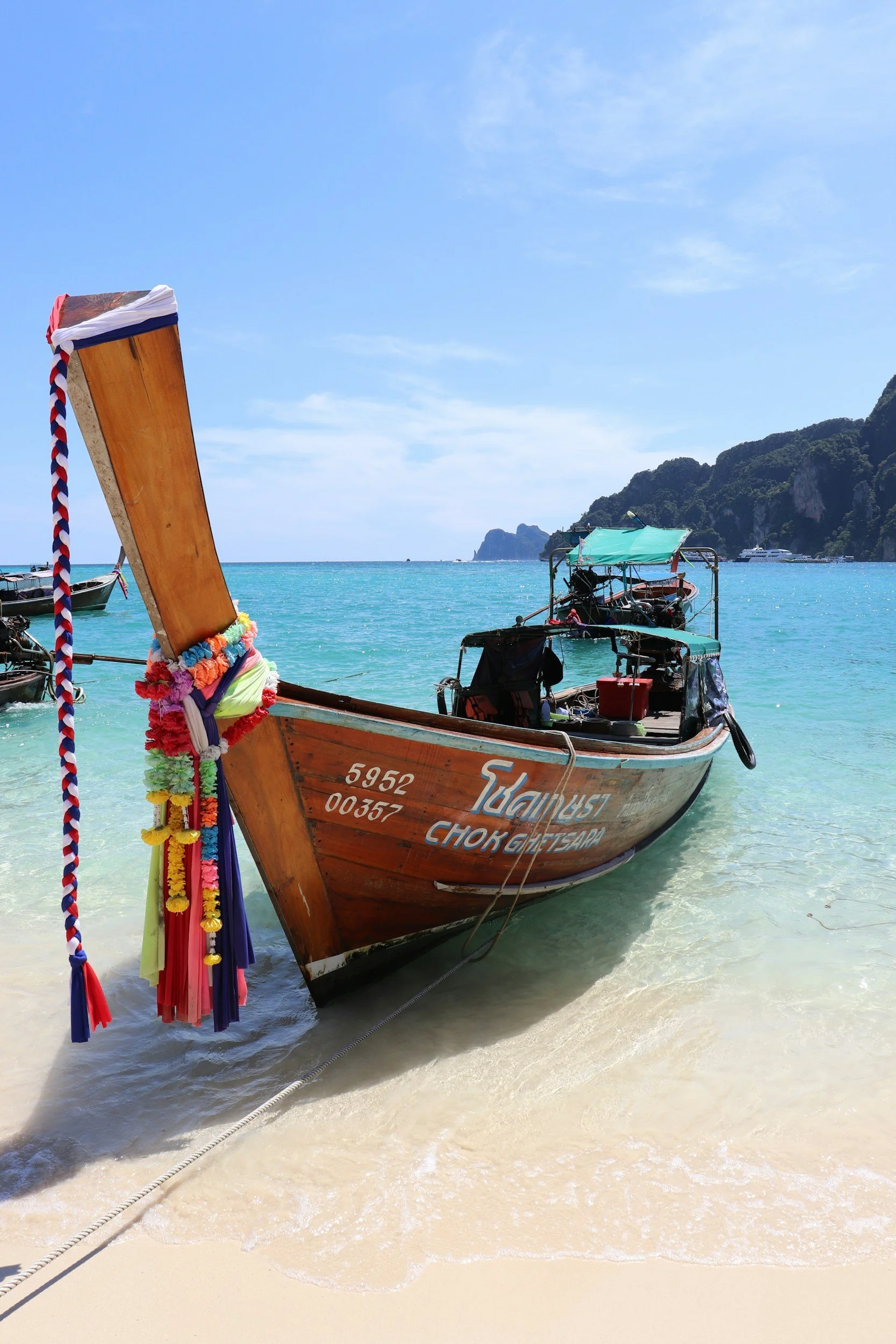
Thailand’s appeal lies in its versatility. Within a matter of days you can experience the energy of the buzzing metropolis, get up close with elephants, enjoy long-tail boats through Thailand’s most beautiful islands and experience some of Asia’s most immersive cultural phenomena. When it comes to events this allows for even more cohesive, dynamic and authentic programmes that are deeply connected to the destination.
-
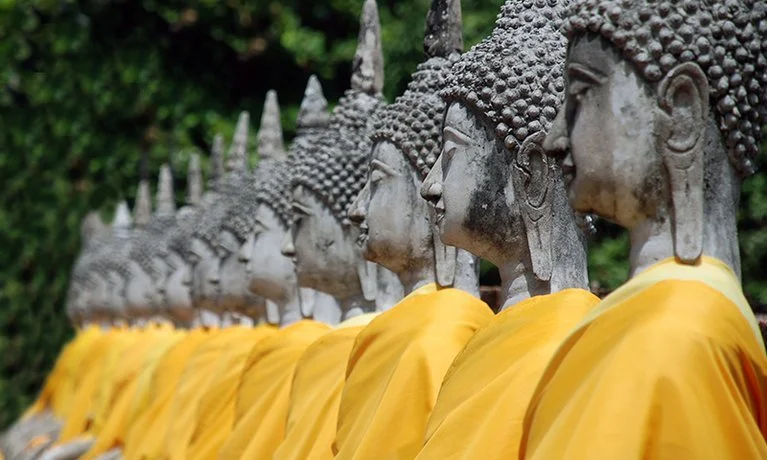
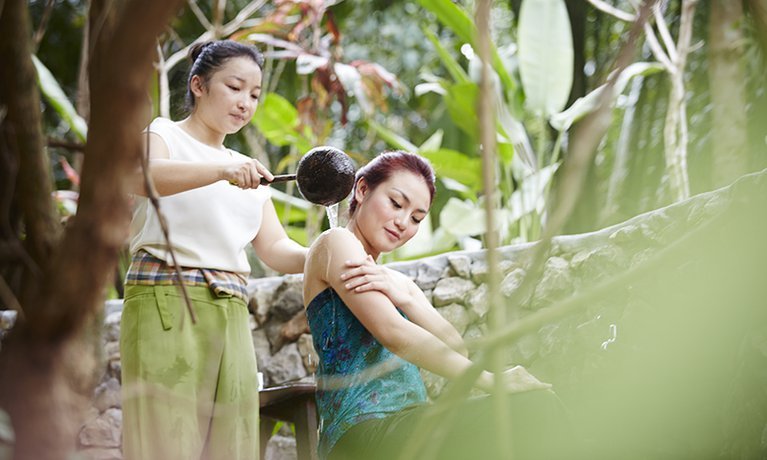
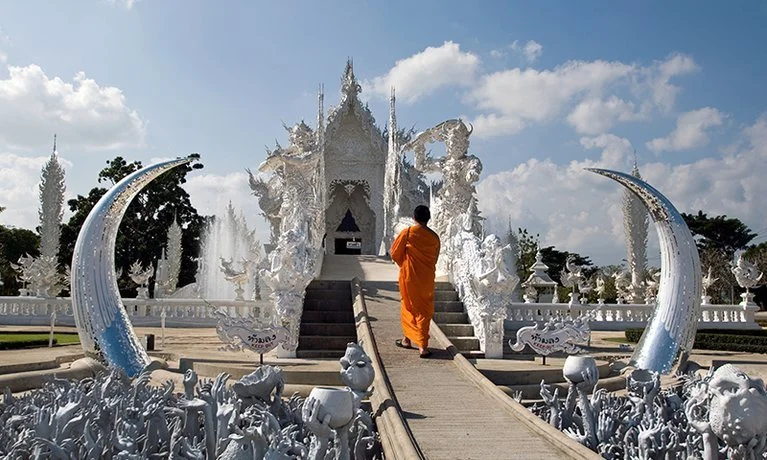
Characterised by mountain ranges, river valleys and dense areas of pristine jungle, North Thailand offers a much slower place to Bangkok with incredible temples, eco-lodges, elephant sanctuaries and spa resorts.
Key destinations: Chiang Mai, Chiang Rai, Sukhothai
-
Bordered by the Mekong River and Cambodia, the Northeast is Thailand’s largest region and boasts a large array of experiences.
Enjoy traditional festivals, wine making, mountain trekking and traditional Laos food.
Key Destinations: Ubon Ratchathani,
Khon Kaen, Nakhon Ratchasima -
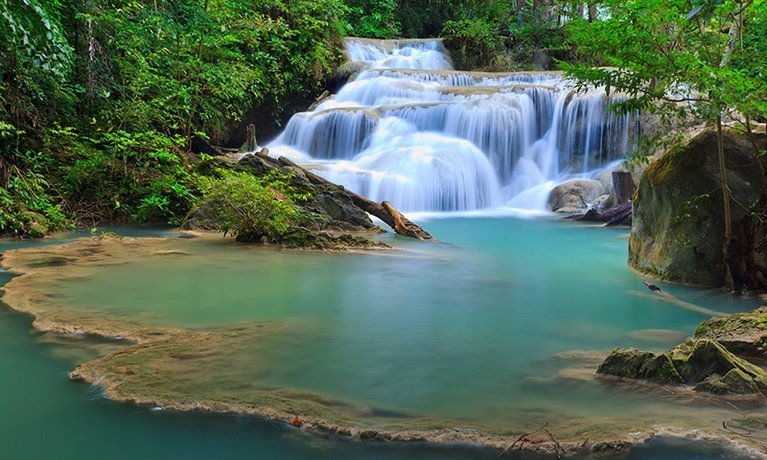
Although Bangkok is perhaps the most well known city, Thailand’s central region offers a staggering array of different landscapes from Khao Yai National Park (home to wild elephants and jungle treks) to Samut Songkhram with its floating markets and coastal towns.
Key destinations: Ayutthaya, Bangkok, Hua Hin,
Kanchanaburi -
Perhaps Thailand’s quietest region, East Thailand is home to a number of lesser visited islands including Koh Chang, Koh Mak and Koh Kood. Expect beach style bungalows on the sea and open front restaurants.
Key destinations: Pattaya, Rayong, Koh Chang
-
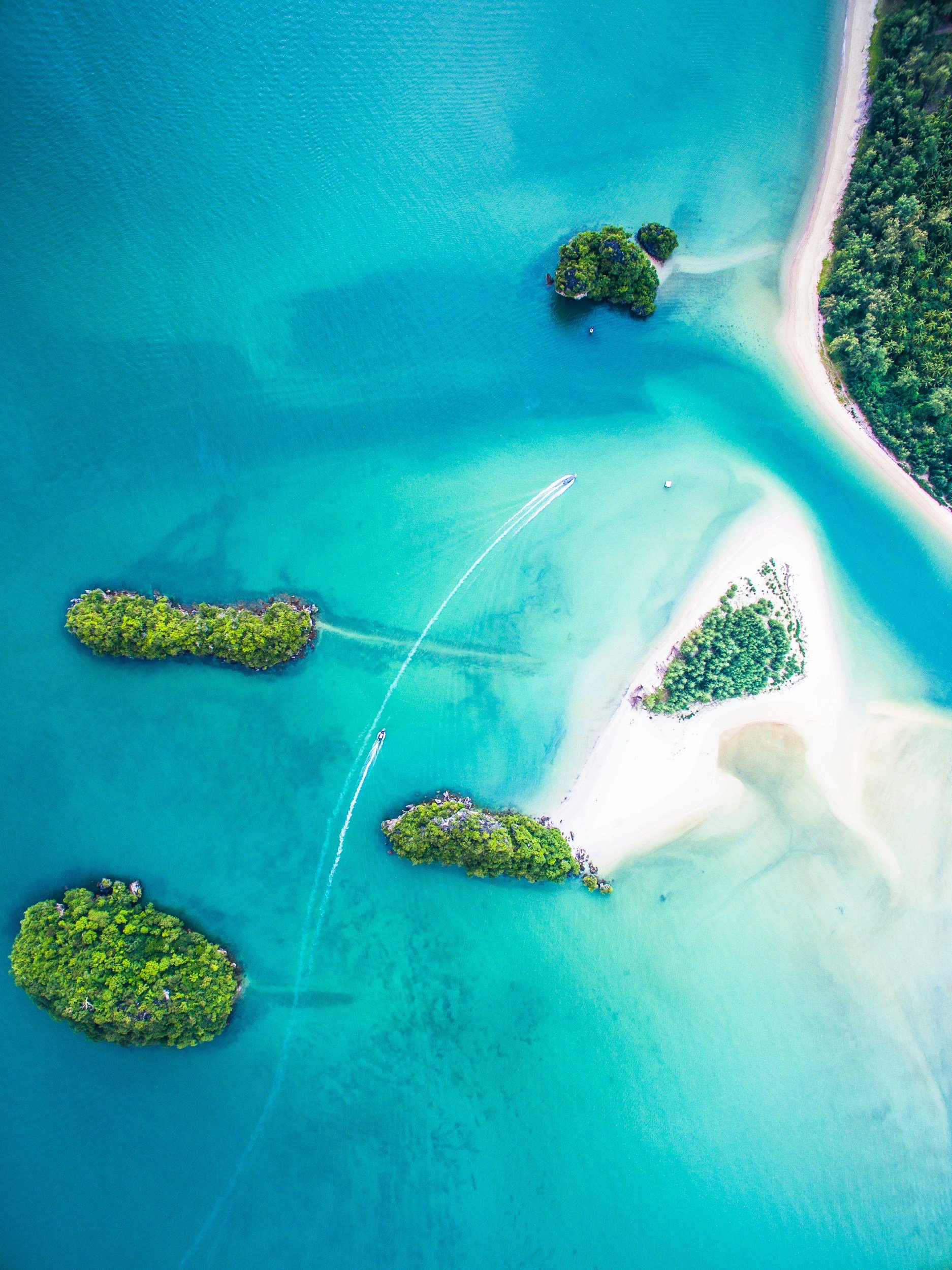
Postcard perfect beaches, tropical resorts and the very best of Thailand’s watersports, Southern Thailand continues to be one of the most popular regions with hundreds of islands to explore.
Key Destinations: Krabi, Phuket, Koh Samui, Koh Phi Phi, Koh Yao Noi, Khao Lak
WhAT TYPE OF PROGRAMMES/GROUPS DOES THAILAND SUIT?
Thailand is ideal for groups seeking a combination of reward and experience:
High-performing teams that want both productivity and downtime
VIP or executive groups expecting tailored experiences & personalisation
Larger meetings or conferences supported by strong infrastructure
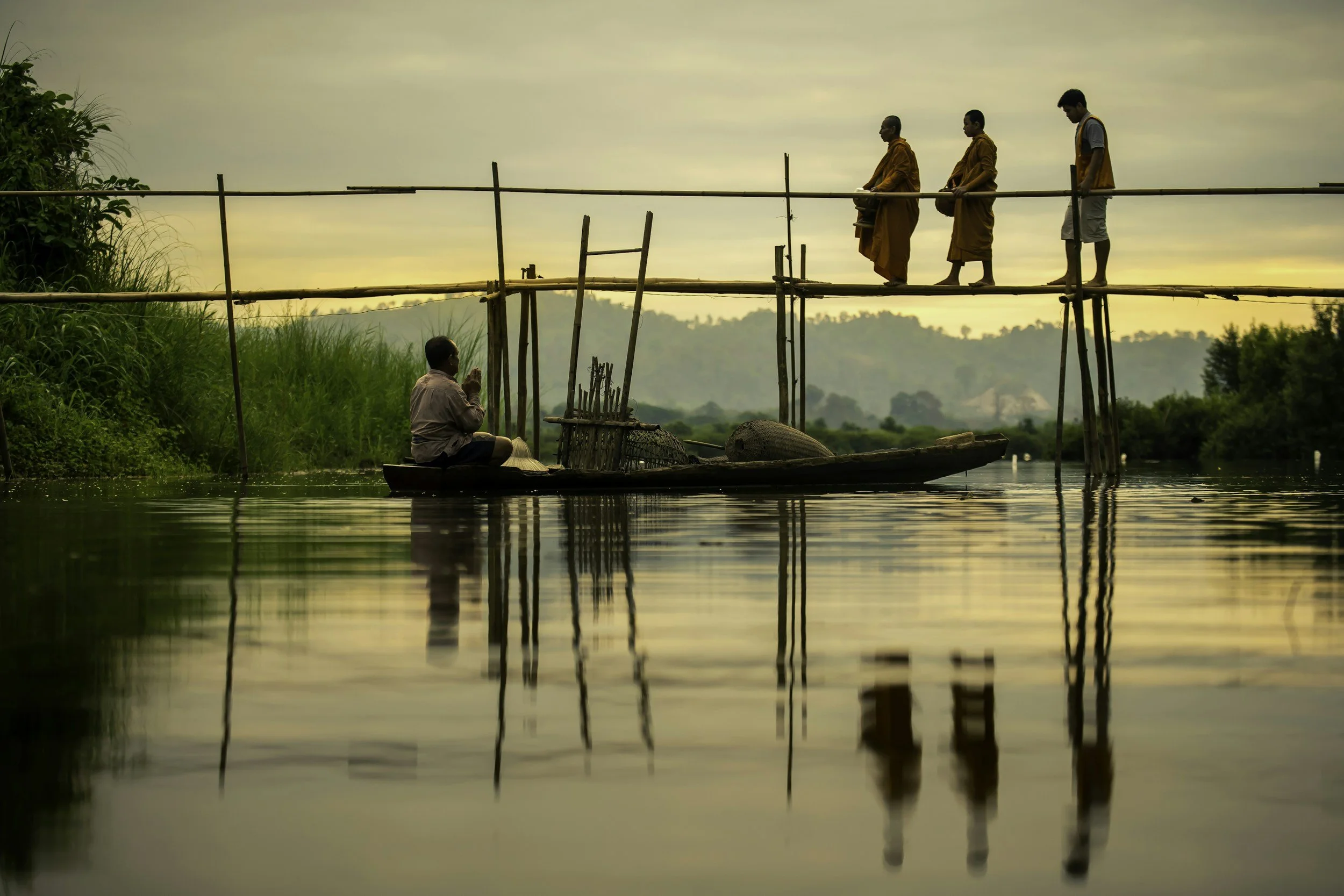
Purpose-driven groups wanting to integrate community engagement or cultural immersion
No matter the group profile, Thailand delivers high-end service, world-class accommodation, and experiences that feel authentic and memorable.
Timing Considerations:
When is the best time to go to Thailand?
Thailand operates as a year-round destination, with different regions offering seasonal advantages that allow programs to be planned successfully at any time of year.
November to February is generally considered the most comfortable period, with cooler temperatures and clear skies that are well suited to outdoor events and multi-location programs. During other months, planners can adapt by selecting destinations where conditions are most favourable, ensuring continuity in delivery.
Seasonal or cultural moments worth building programs around:
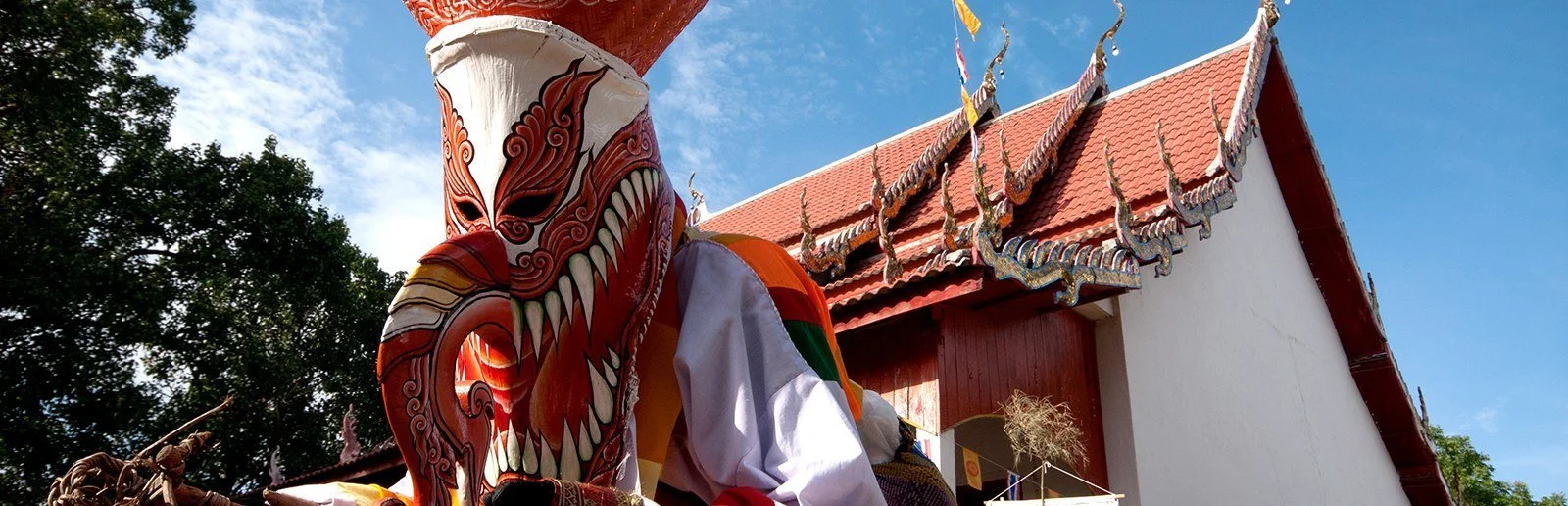
Thailand’s calendar provides strong opportunities to anchor programs around cultural moments. Festivals such as Songkran in April and Loy Krathong and Yi Peng in November can be thoughtfully incorporated through themed events, private celebrations, or smaller cultural elements within a broader itinerary. When used well, these moments add context and depth without overwhelming the overall program.
Recommended Destinations:
-
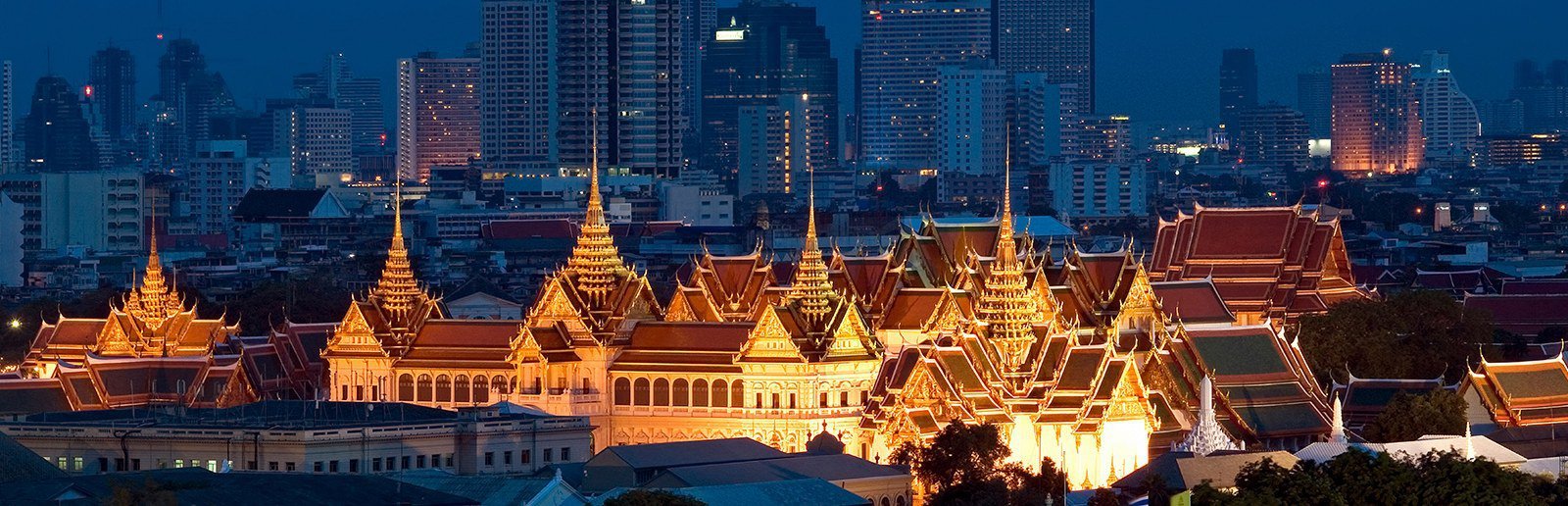
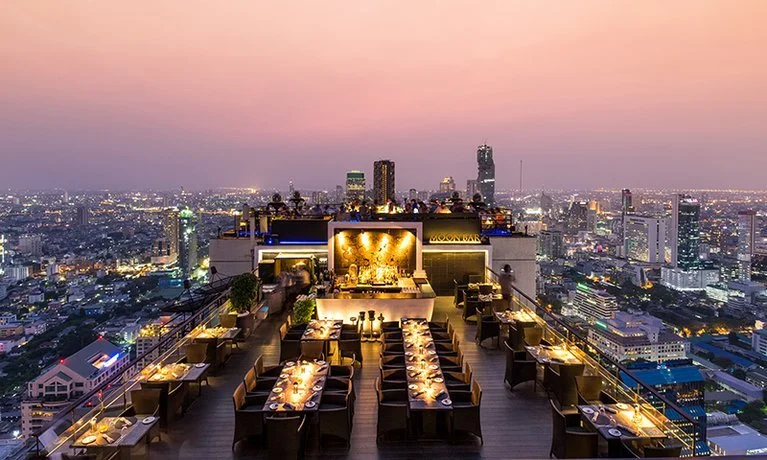
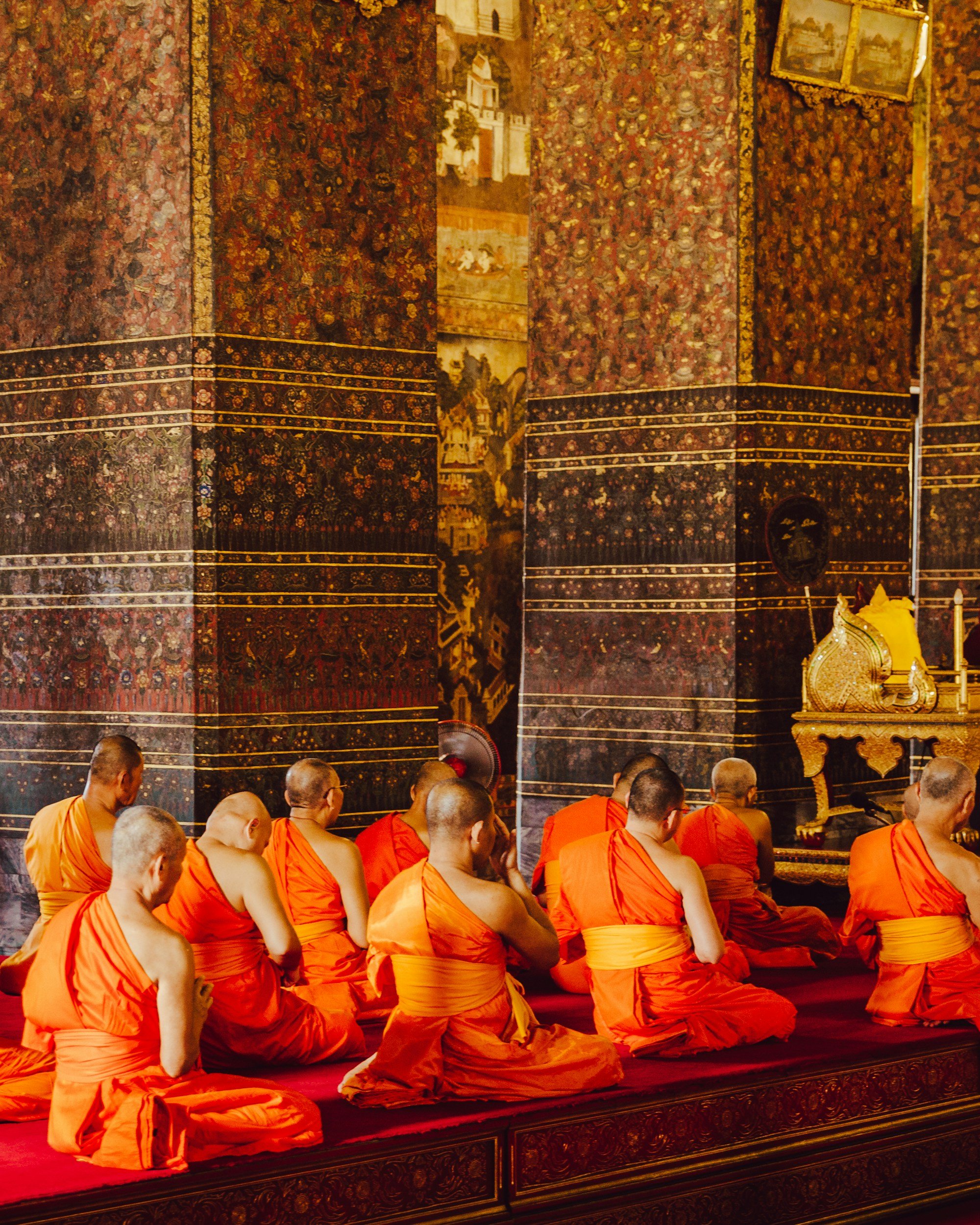
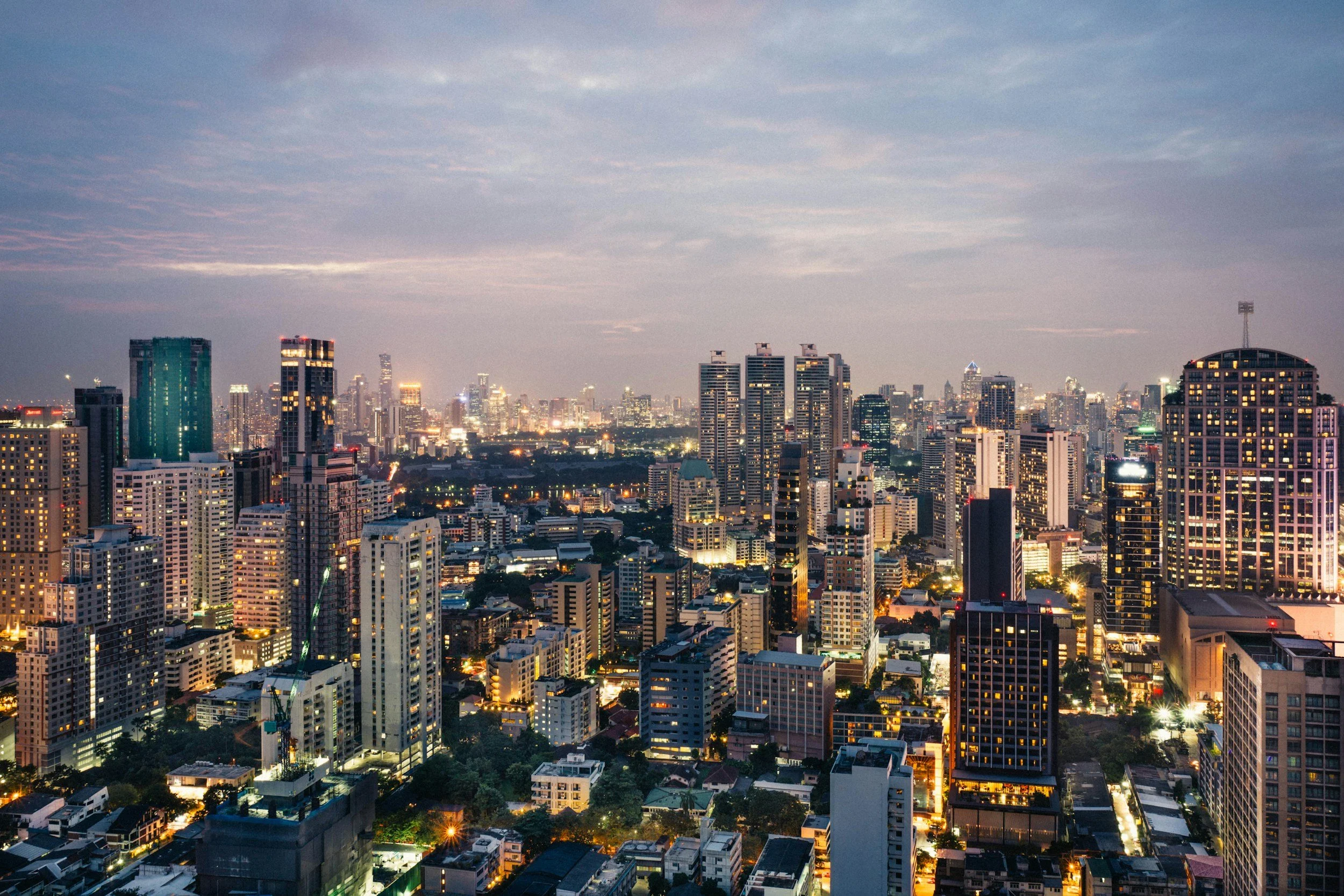
A city of constant movement, Bangkok brings together contemporary energy and deep-rooted tradition, where glass-fronted venues sit alongside historic temples and neighbourhoods shaped by daily local life. The Chao Phraya River plays a central role in program design, offering a natural setting for arrivals, events, and transitions through the city.
Best suited for: Large-scale conferences, corporate meetings, and high-impact incentive groups where accessibility, venue variety, and strong infrastructure are essential.
-
Phuket offers a fully developed resort environment with the added advantage of direct international access, allowing groups to arrive straight into a beachfront setting. Programs here are often centred around the coastline, with private beach events, yacht charters, and access to nearby islands shaping the overall experience.
Best suited for: Incentive programs focused on reward, relaxation, and social connection, particularly for groups looking to deliver a clear transition from business to leisure.
-
With a history spanning more than seven centuries, Chiang Mai offers a different rhythm, where programs are shaped by heritage, craftsmanship, and surrounding natural landscapes. Experiences here often feel more personal, with greater opportunity to engage directly with local communities and traditions.
Best suited for: Smaller groups, wellness-focused programs, and teams seeking cultural immersion, meaningful engagement, and a more considered pace.
-
Beyond the main hubs, destinations such as Koh Samui, Khao Lak, Krabi, and Koh Yao Noi offer more focused environments where programs can feel more contained and exclusive. These locations are particularly effective when clients are looking to move away from more established routes and create a stronger sense of discovery.
Best suited for: Groups seeking distinctive programs with a greater emphasis on privacy, natural surroundings, and a more understated style of delivery.
BEST TEAM-BUILDING EXPERIENCES
Bangkok
Exploring the city by boat, bike, and tuk tuk encourages teams to navigate, communicate, and experience different sides of the capital in a highly interactive format.
Chiang Mai
Hands-on experiences such as elephant care programs or artisan workshops create shared responsibility and encourage collaboration in a more meaningful setting.
Koh Samui
Jungle-based activities, including quad biking and exploration trails, provide a balance of challenge and enjoyment, helping to build confidence and group cohesion.
Phuket
White water rafting in nearby Phang Nga introduces a more dynamic environment where coordination and quick decision-making are key to success.
How to weave gastronomy into your incentive
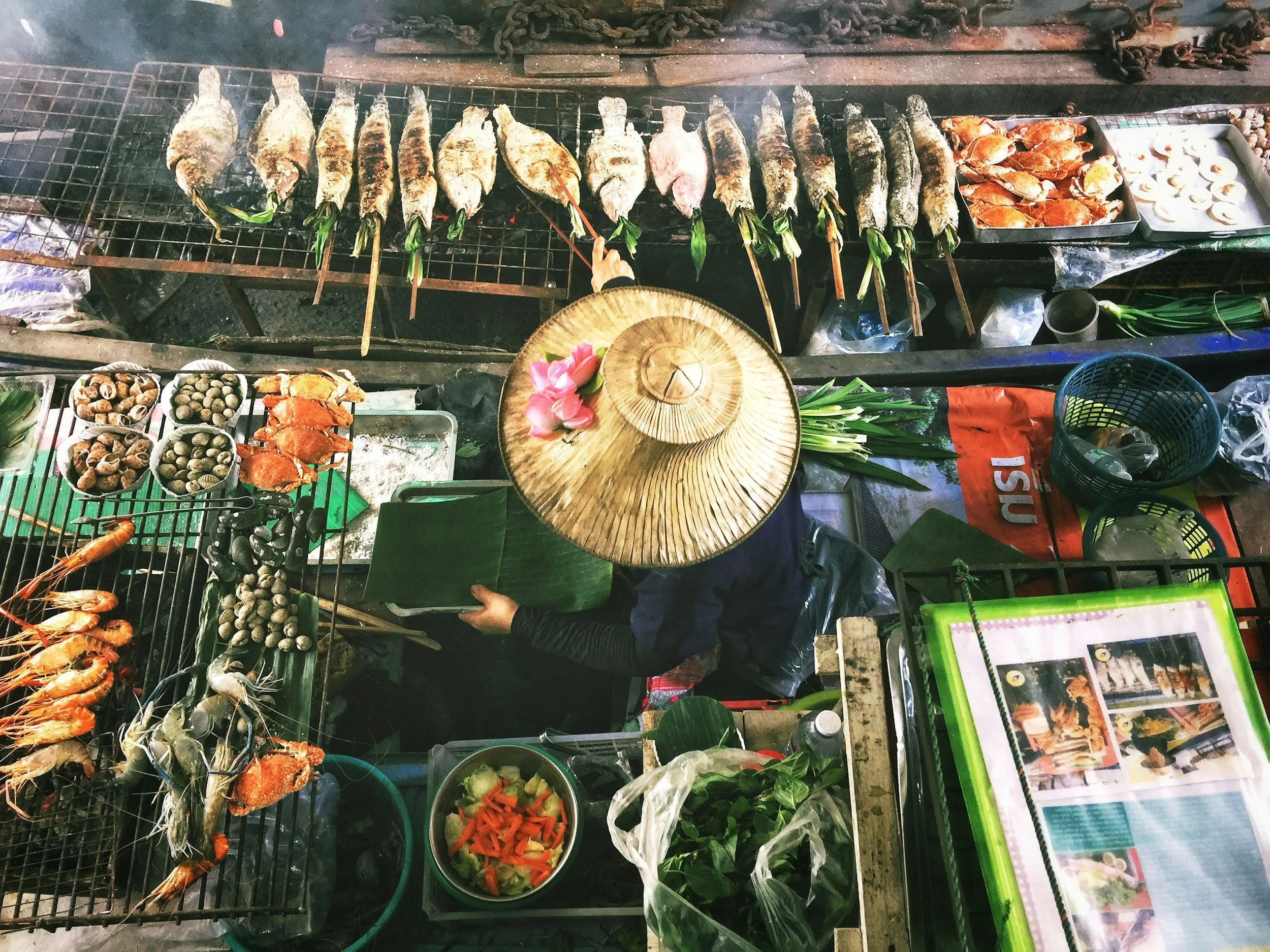
Culinary experiences in Thailand are most effective when they are integrated into the flow of a program rather than treated as standalone moments. In Bangkok, this may take the form of guided market visits or progressive dining experiences that reflect different aspects of the city. In Chiang Mai, cooking classes and community-based initiatives allow guests to engage more directly with local ingredients and traditions.
In southern destinations such as Phuket and Koh Samui, dining naturally extends into the setting, from beachfront dinners to experiences centred around fresh, locally sourced produce. When approached in this way, gastronomy becomes part of the narrative of the program, strengthening connection to the destination while enhancing the overall guest experience.
We are proud to be partnering with Destination Asia for inVOYAGE Bangkok (17-20 April 2026).
Find out more about this and our other events, or view the event in live time on our Linkedin page.