
London, Eight Ways
This November, eight of the capital’s most iconic hotels will welcome the senior leaders from event agencies and corporate event teams attending MASTERS by inVOYAGE.
Four days. Some of the industry's most influential decision-makers. And eight exceptional hotels. Meet the properties hosting MASTERS by inVOYAGE…
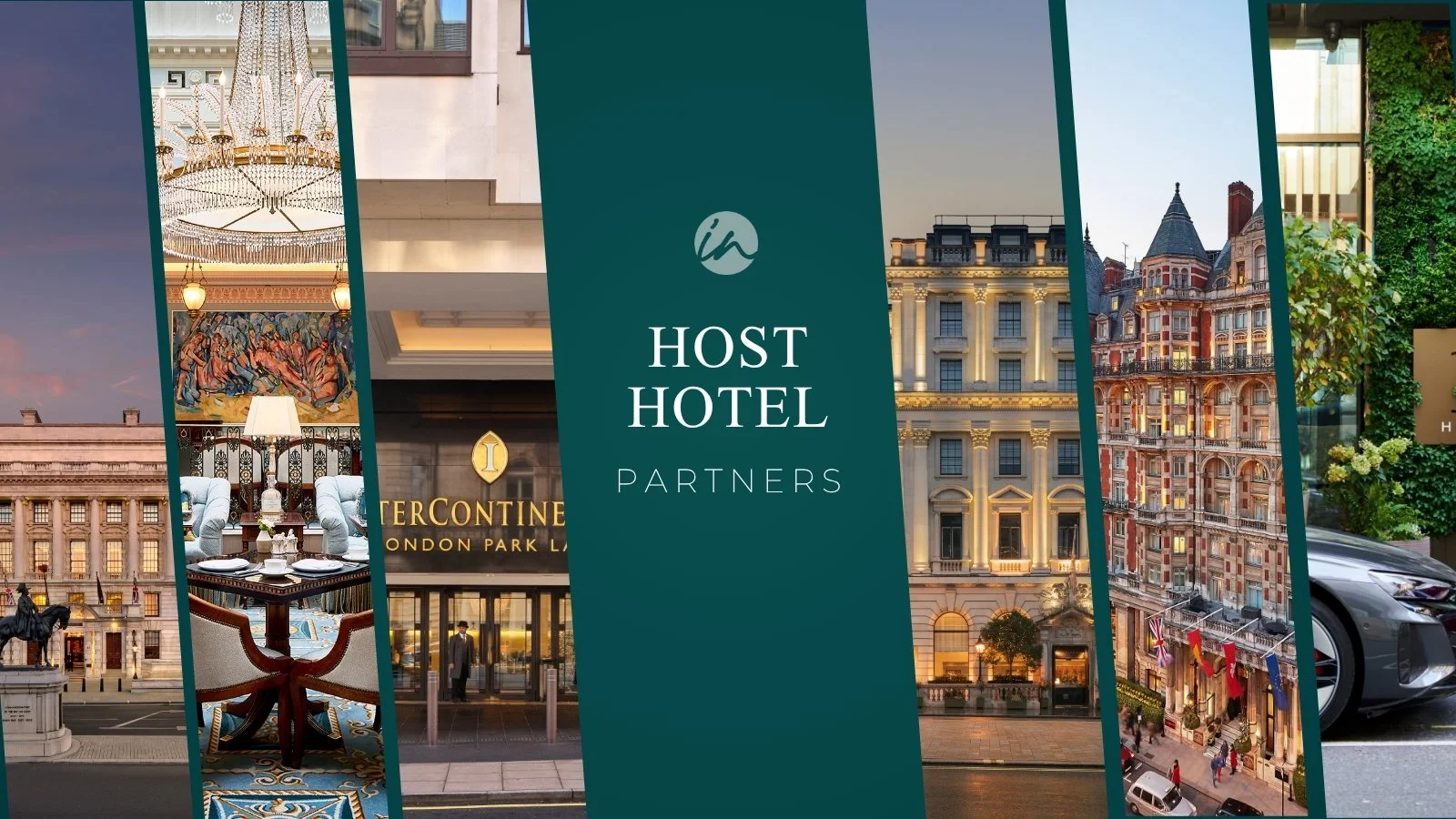
London’s luxury hotels are often described through familiar shorthand: Park Lane, Mayfair, Hyde Park and St James’s; heritage, service and a certain unmistakable sense of occasion.
Yet proximity does not make these properties interchangeable. A hotel will influence the tempo of a programme before a guest reaches the meeting room. It shapes the arrival, offers a different relationship with the city and creates the space in which conversations continue long after the formal agenda ends.
For MASTERS by inVOYAGE, InterContinental London Park Lane will serve as the conference host, while seven additional Host Hotel Partners will welcome leaders from event agencies and corporate event teams throughout their time in the capital.
Looking beyond their familiar names and façades reveals eight distinct interpretations of London - each allowing incentive planners and event designers to see the capital in its own unique light.
InterContinental London Park Lane
London at the point where the city comes together.

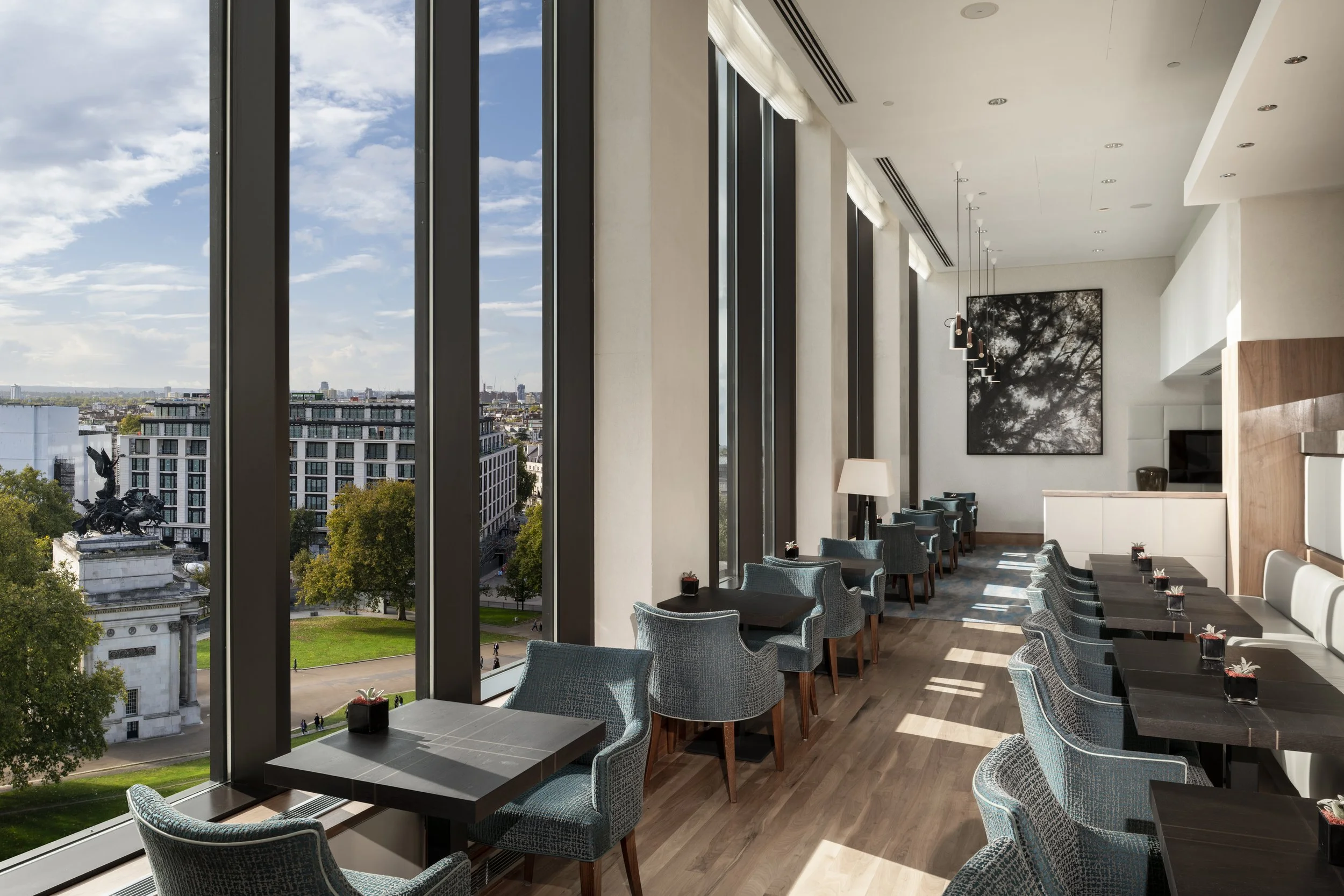

As the conference host for MASTERS, InterContinental London Park Lane will sit at the centre of the shared programme. Its address also occupies a particular London crossroads: overlooking Wellington Arch and the Royal Parks, on the former site of 145 Piccadilly, Queen Elizabeth II’s childhood home.
Its scale is immediately apparent, but for planners, the way groups can move through the property is equally important. A dedicated events entrance, self-contained event floor and private check-in provide control over complex arrivals while keeping the experience cohesive. In the Grays Suite, floor-to-ceiling windows frame Apsley House and Wellington Arch; time a morning meeting well and the Household Cavalry may become part of the view.
Mandarin Oriental Hyde Park
Two sides of London, held within one address.
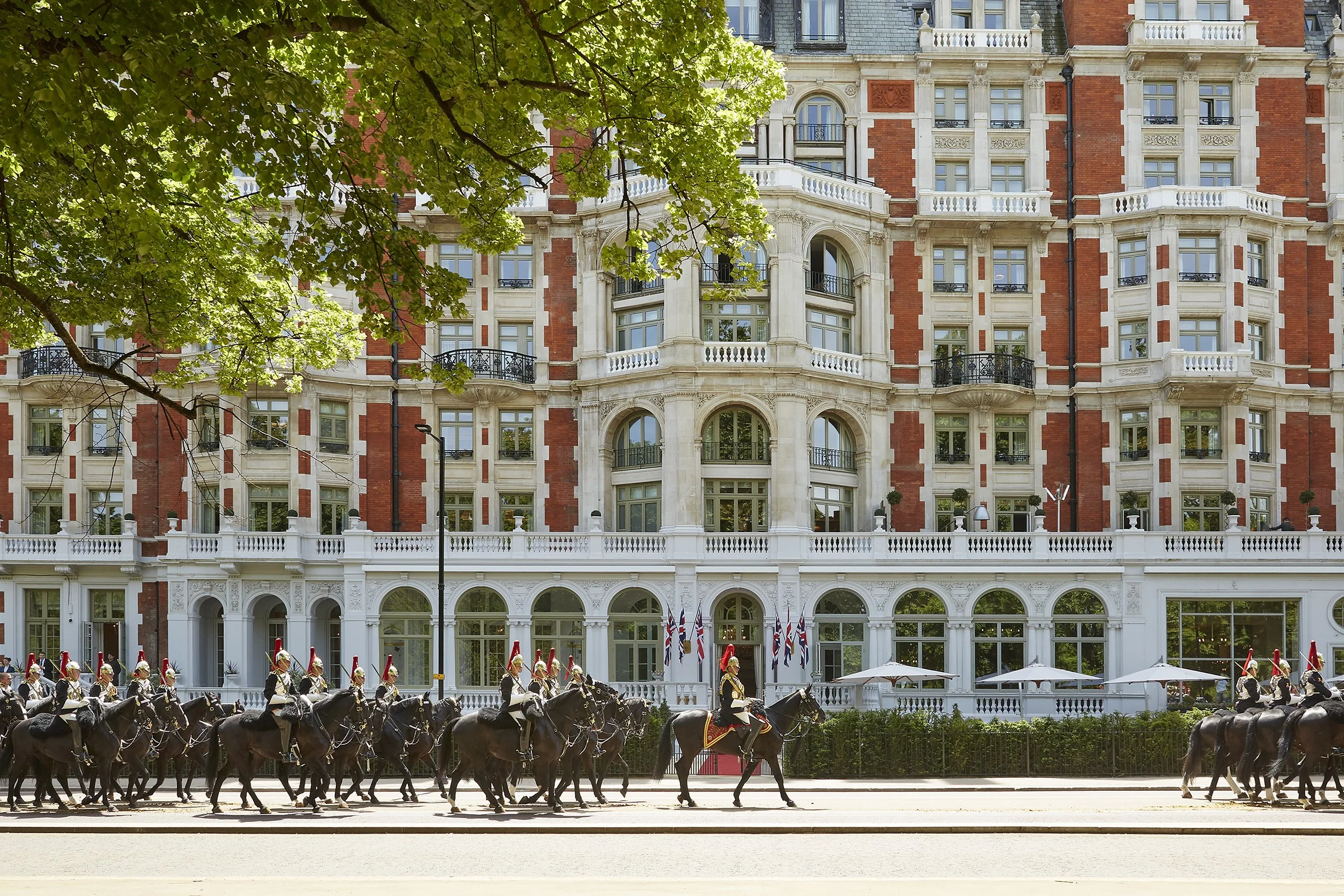
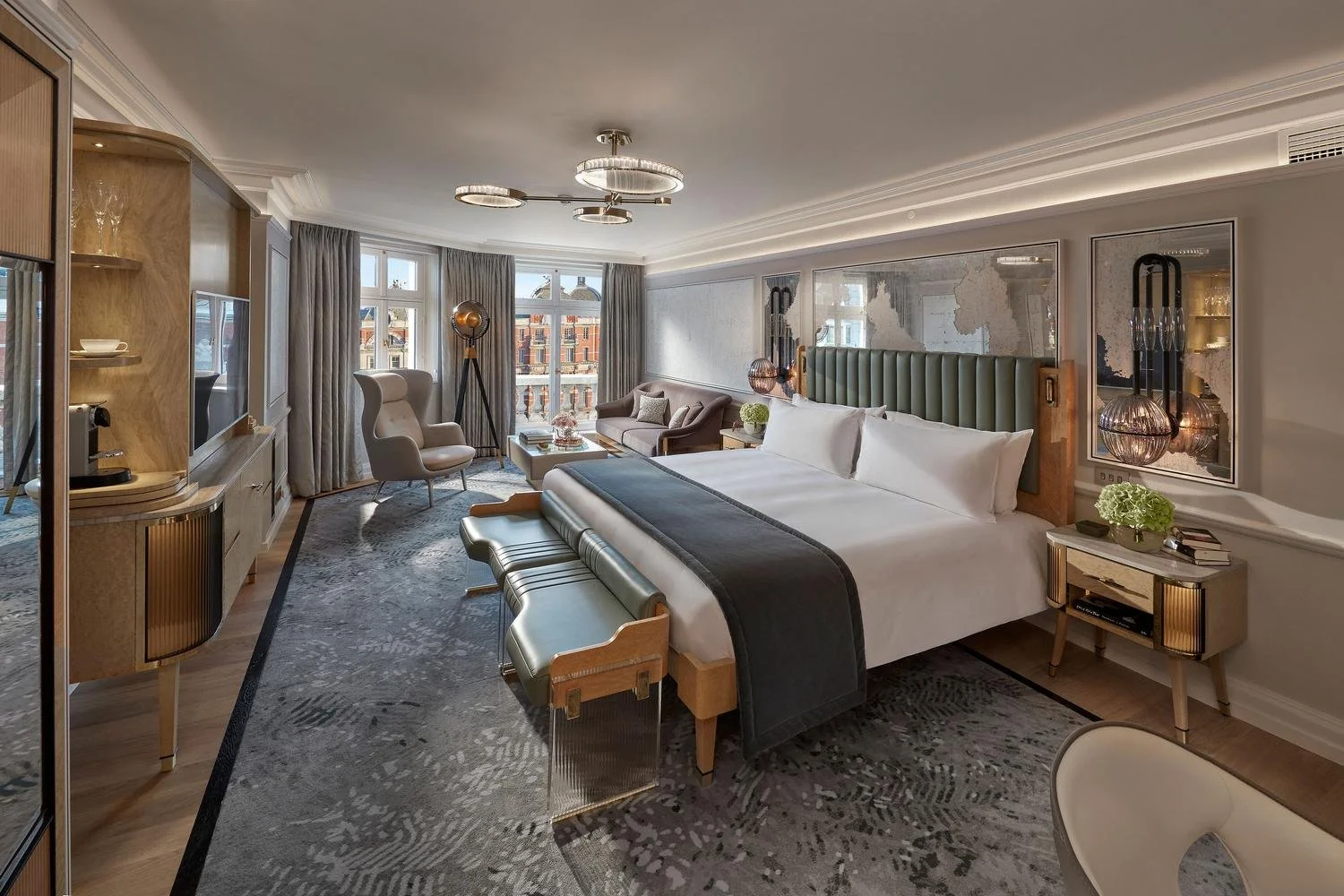

Mandarin Oriental Hyde Park has long understood the value of contrast. At the front, Knightsbridge supplies energy and theatre; at the rear, the hotel opens directly onto the calm of Hyde Park. Joyce Wang’s interiors bring that duality inside, drawing together the natural character of the park and the glamour of early twentieth-century travel. Even its dining moves between different expressions of the city - from Heston Blumenthal’s reimagining of historic British gastronomy to the more contemporary energy of The Aubrey.
For planners, this range allows a programme to change mood without changing address. Guests can arrive through the private Royal Entrance from Hyde Park, gather in the light-filled Loggia or garden, and move into the gilded Ballroom for the main occasion. By bringing together ceremony, culture, dining and restoration, the hotel becomes more than a base beside Hyde Park: it offers a richly layered interpretation of London within one landmark address.
Four Seasons Hotel London at Park Lane
Where Park Lane becomes personal.


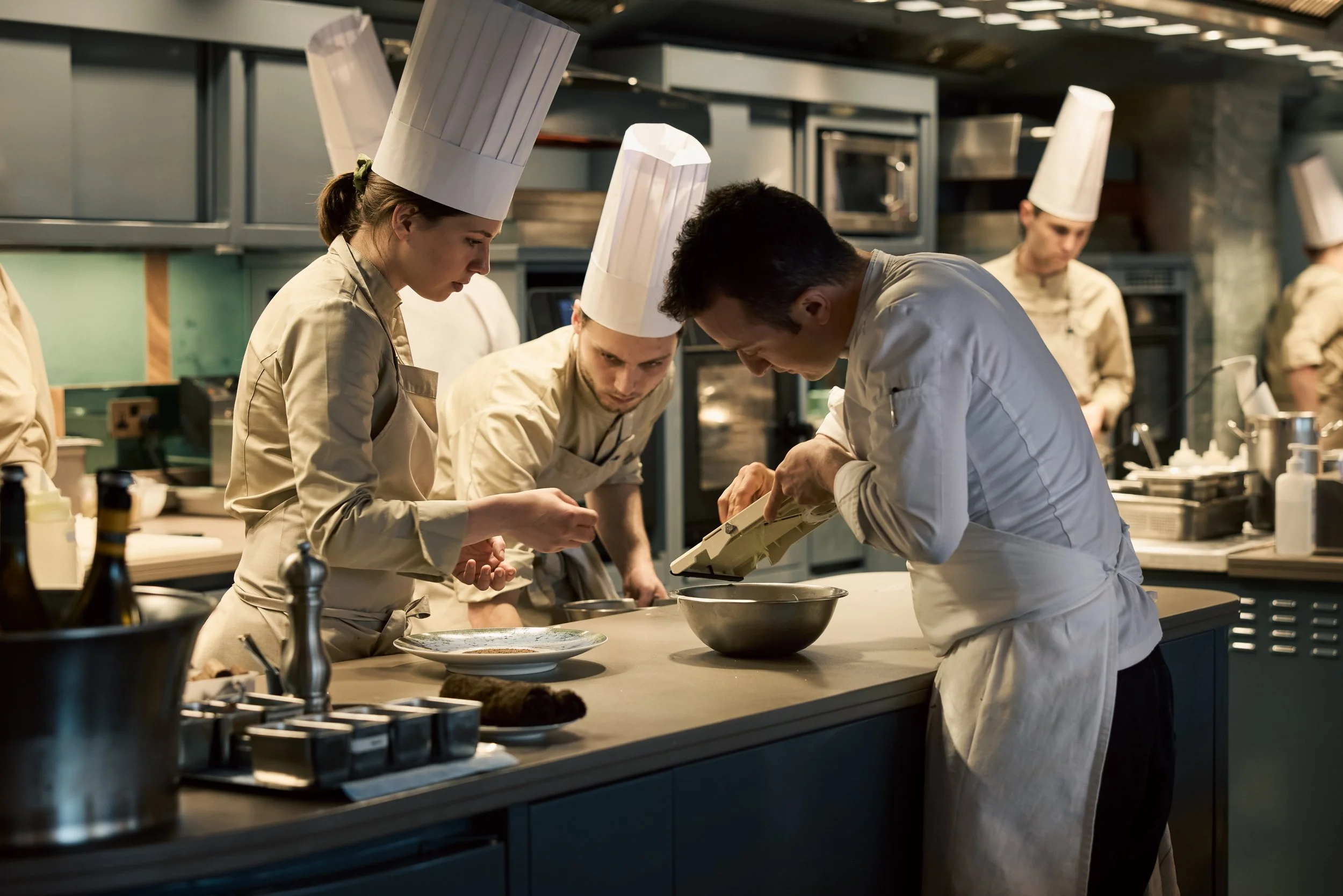
This is the address where Four Seasons first brought its approach to hospitality to Europe in 1970. More than half a century later, the hotel still offers a distinctly personal interpretation of London: polished but understated, cosmopolitan yet intimate. Newly reimagined suites take their cues from the changing seasons of Hyde Park, while Pavyllon London brings Yannick Alléno’s Michelin-starred cooking into a setting designed for conversation - from its open kitchen and counter seating to the privacy of Pavyllon Privé.
For planners, that sense of individual attention can shape the entire rhythm of a stay. Shared moments can move from the light-filled event floor to a private dinner or skyline reception at TEN; between them, guests can retreat to the glass-walled spa ten floors above the city. Rather than treating dining, wellbeing and events as separate parts of the programme, Four Seasons Hotel London at Park Lane draws them into one considered experience - keeping London present while allowing each guest to encounter it at their own pace.
1 Hotel Mayfair
Where Green Park continues indoors.


1 Hotel Mayfair does more than bring the outdoors in; it recasts Mayfair luxury through nature. Reclaimed timber, hand-chiselled stone and living greenery give the property a tactile, elemental quality, while Dovetale’s seasonal cooking and Bamford’s holistic approach carry the same philosophy into the way guests eat and restore. Sustainability is not presented as a credential at the edge of the experience. It determines the atmosphere.
For planners, this offers a strong idea around which to shape a stay. It can begin with movement through the Royal Parks, continue through light-filled meetings and seasonal menus, and become more bespoke still. For one group, the hotel transformed its botanical courtyard with ice baths and a sauna - turning one of its most secluded corners into a private urban recovery space. It is a vivid expression of the brand’s wider appeal: purpose not simply explained, but translated into something guests can experience together.
The Berkeley
A London classic with a contemporary eye.
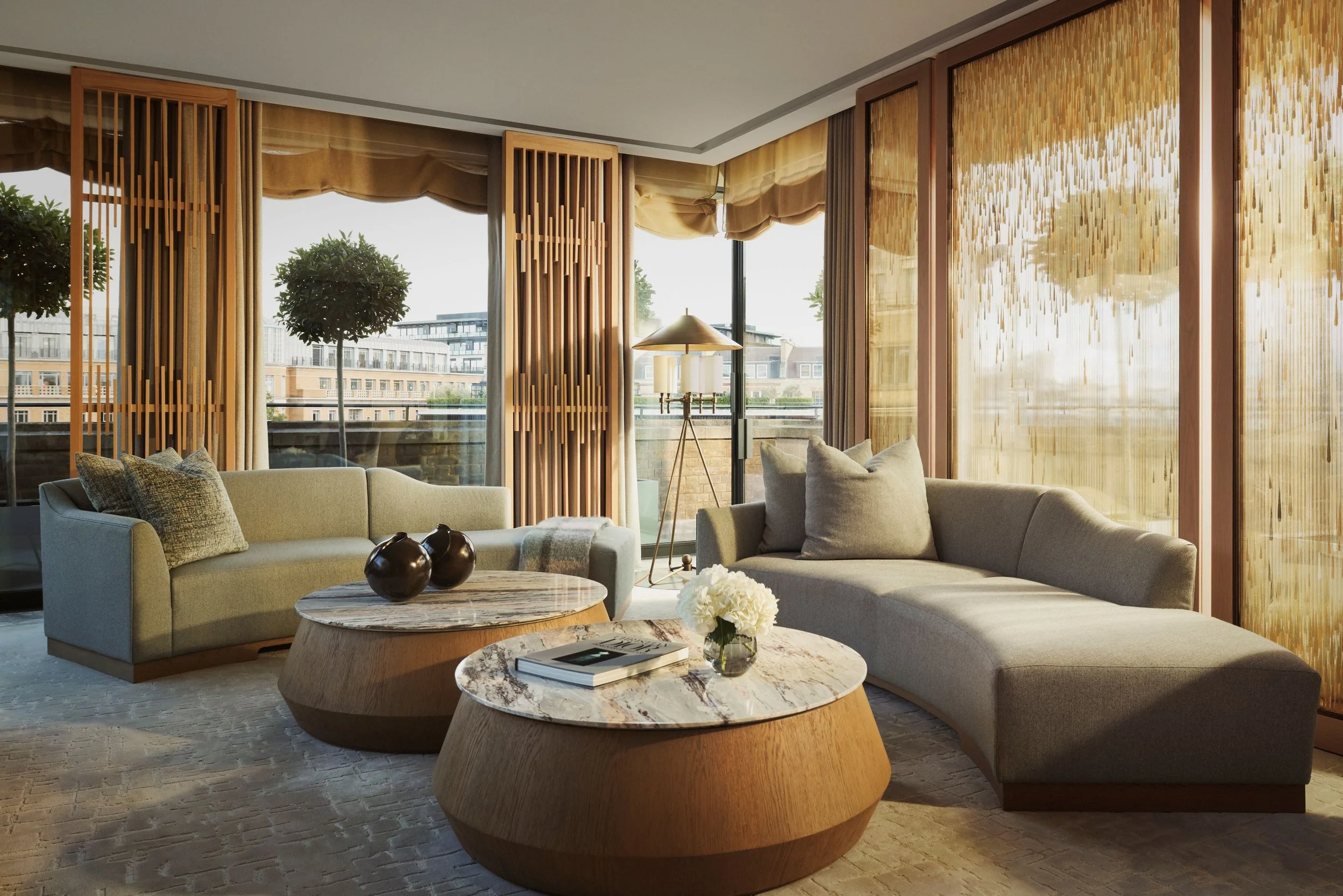
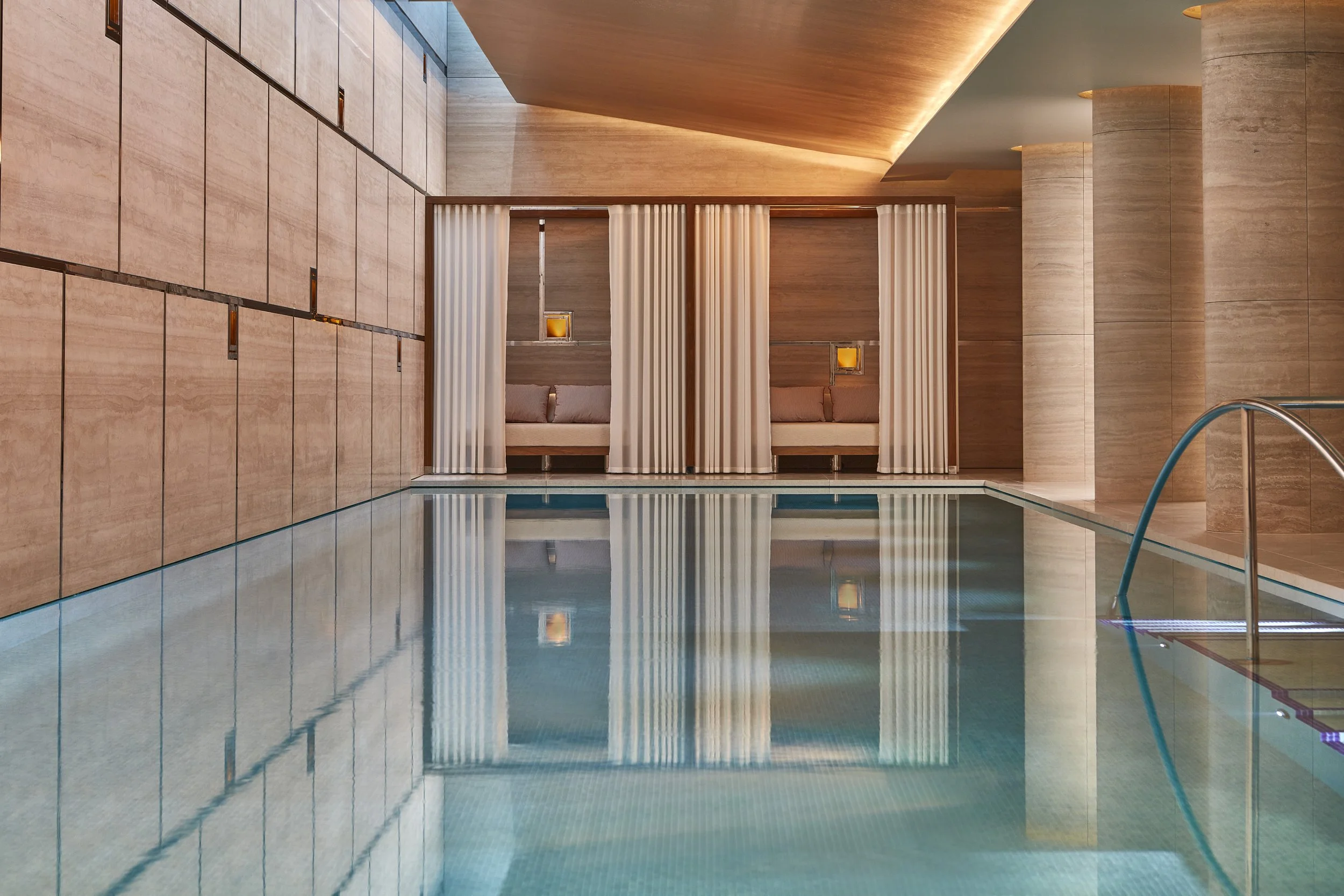
The Berkeley’s appeal lies in the way it continually finds new expressions of London luxury. Set between Belgravia, Knightsbridge and Hyde Park, the hotel draws together contemporary design, fashion, food and wellbeing without allowing any single aesthetic to define it. Acclaimed designers bring their own character to its rooms and suites; Cédric Grolet transforms pâtisserie into theatre; and Surrenne introduces four floors dedicated to wellness and longevity.
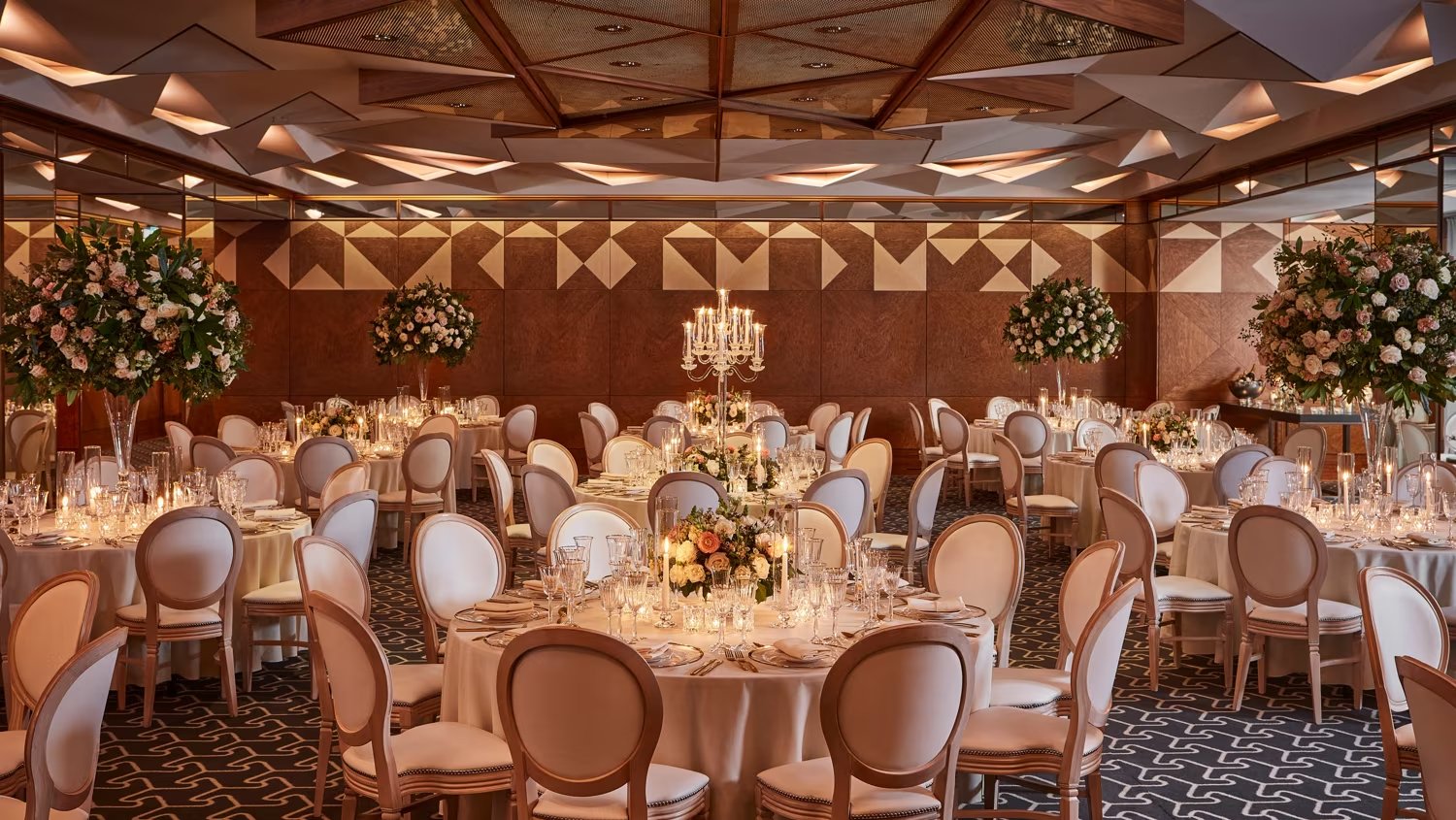
For planners, that creative range allows the experience to change tempo throughout a stay - from conversation and celebration to culinary discovery and considered recovery. The ballroom and adjoining Belgravia Room extend the same philosophy into its events offering: contemporary spaces that can operate independently or flow together, leaving room for each gathering to establish an identity of its own.
The Dorchester
Behind one of London’s most familiar façades.
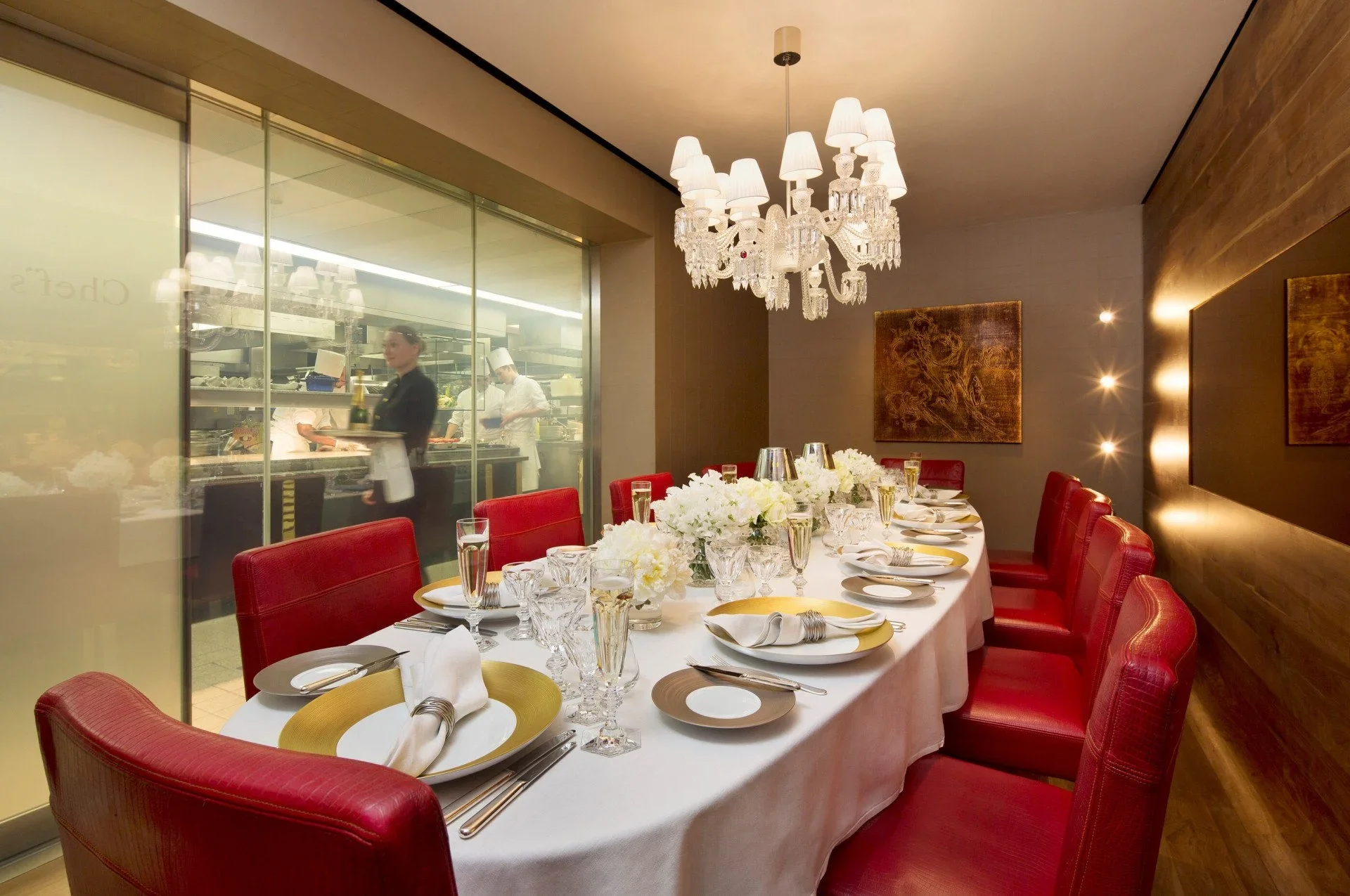


The Dorchester’s recent 4-year transformation has renewed one of the capital’s most recognisable hotels for a new generation. Yet for planners who already know its public rooms and Park Lane presence, some of the most interesting possibilities sit behind the scenes.
The Wine Vault holds more than a thousand bottles around a private tasting table and adjoins the 12-seat Chef’s Table, positioned beside the working kitchen. Its glass wall can remain transparent, allowing guests to watch the theatre of service unfold, or turn opaque for complete privacy. These spaces reveal a more intimate and participatory side of The Dorchester - one that turns the workings of a London institution into part of the experience.
Sofitel London St James
A St James’s address with another story beneath it.


Sofitel London St James brings a French perspective to one of the capital’s most distinctly British neighbourhoods. Housed within a Grade II-listed former bank, the property carries its past into the present in unexpected ways: its spa occupies the former bank vault, which can also become an atmospheric setting for intimate private dining.
Its relationship with St James’s extends beyond the building. For one international leadership programme, the hotel combined meetings with private shopping, neighbourhood walks and an exclusive after-hours visit to the National Gallery, accompanied by its concierge team. It demonstrates how the right address can become more than a base, giving planners the relationships and local knowledge needed to open up the surrounding city.
COMO Metropolitan London
A quieter expression of Park Lane.
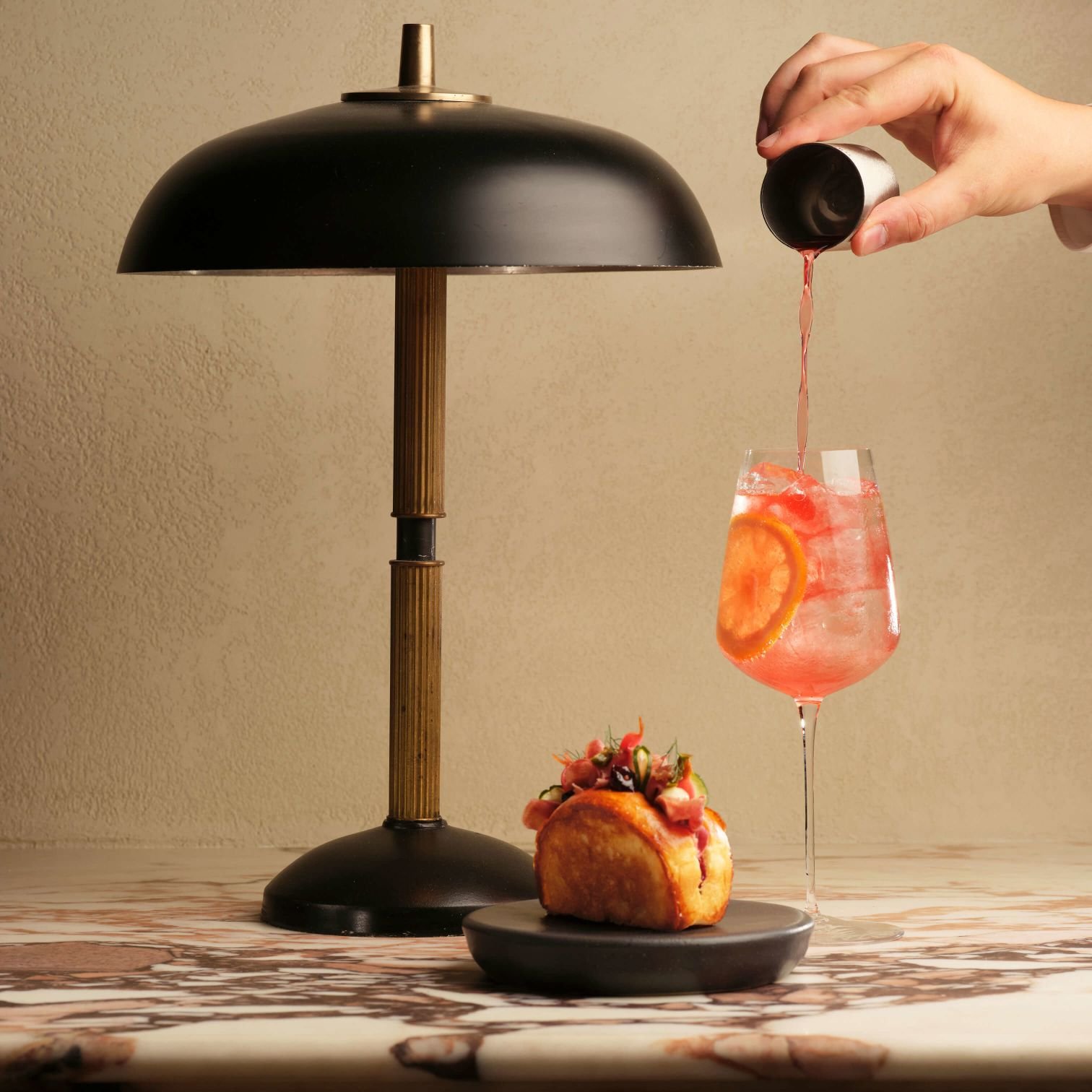
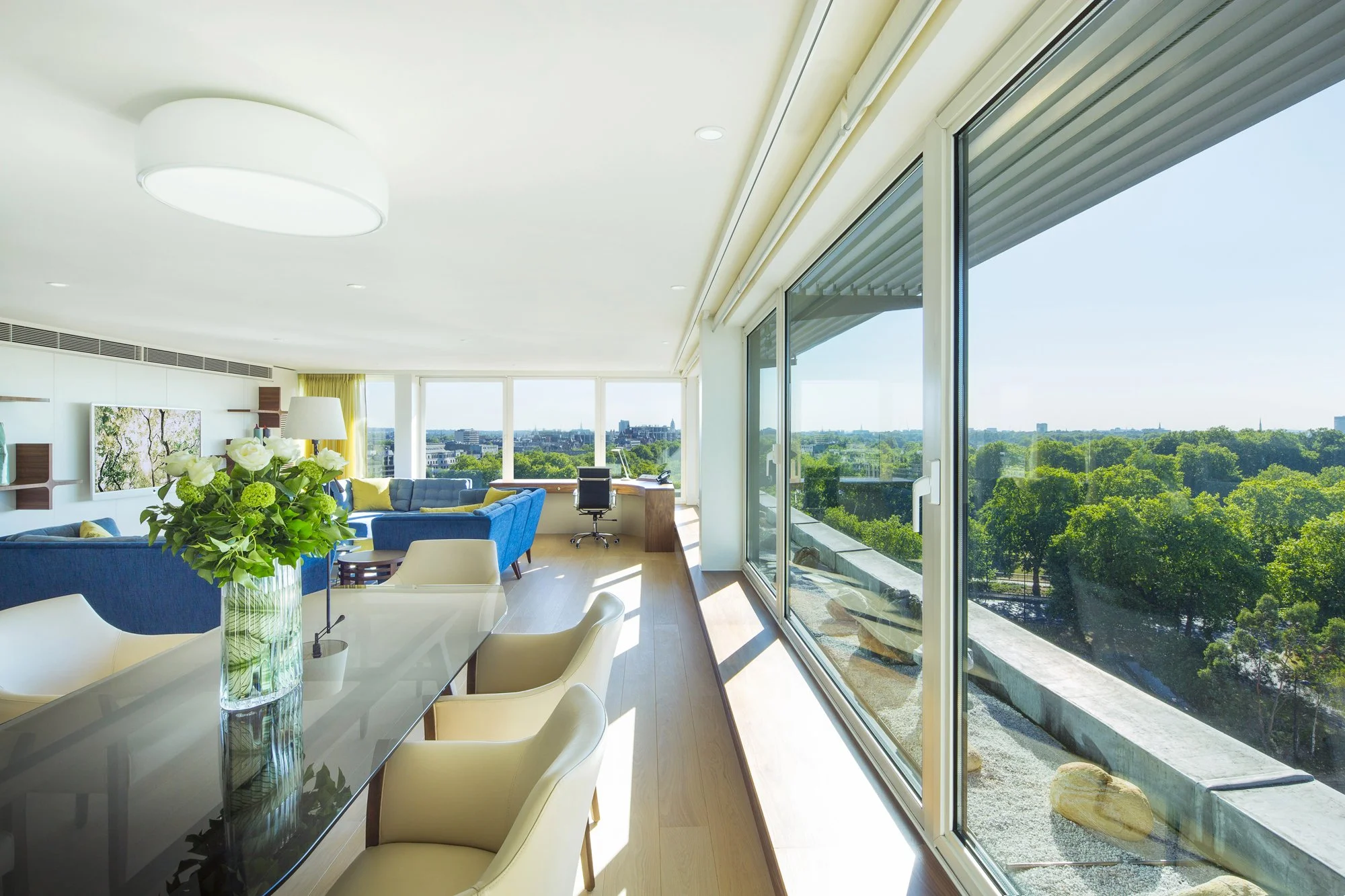
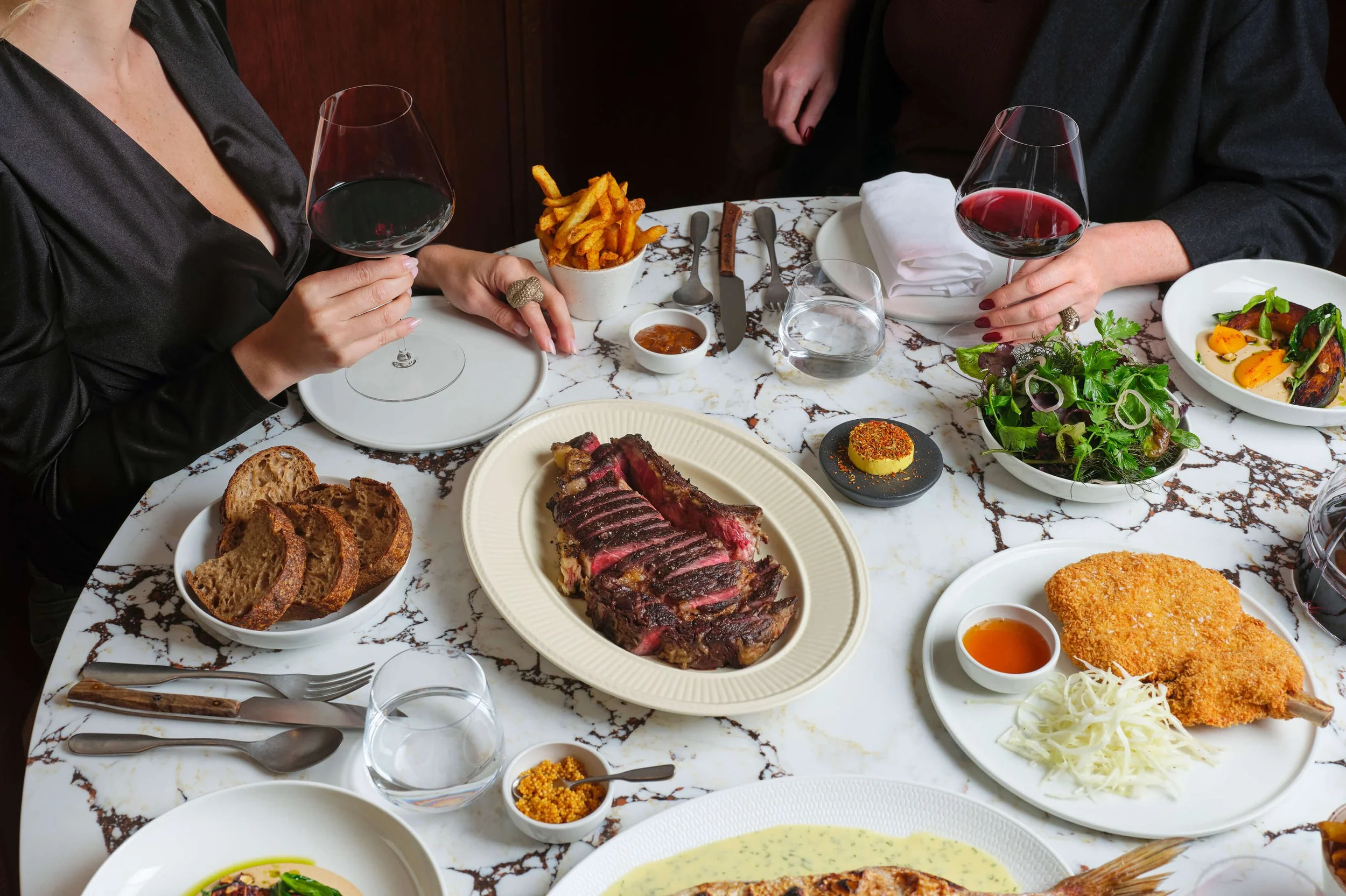
COMO Metropolitan London proves that a Park Lane hotel does not need to perform its status loudly. Its pared-back interiors, floor-to-ceiling light and COMO Shambhala wellness philosophy create a calmer, more discreet experience within one of the busiest parts of the capital.
For smaller groups and senior guests, that restraint can be particularly valuable. Private residences provide a more residential way to stay, including access to a secluded courtyard just behind Park Lane, while the COMO Suite offers Hyde Park views for intimate drinks as daylight fades. Labombe by Trivet, now recognised with a Michelin star, adds a food-and-wine-led dimension to a property defined by privacy, wellbeing and considered service.
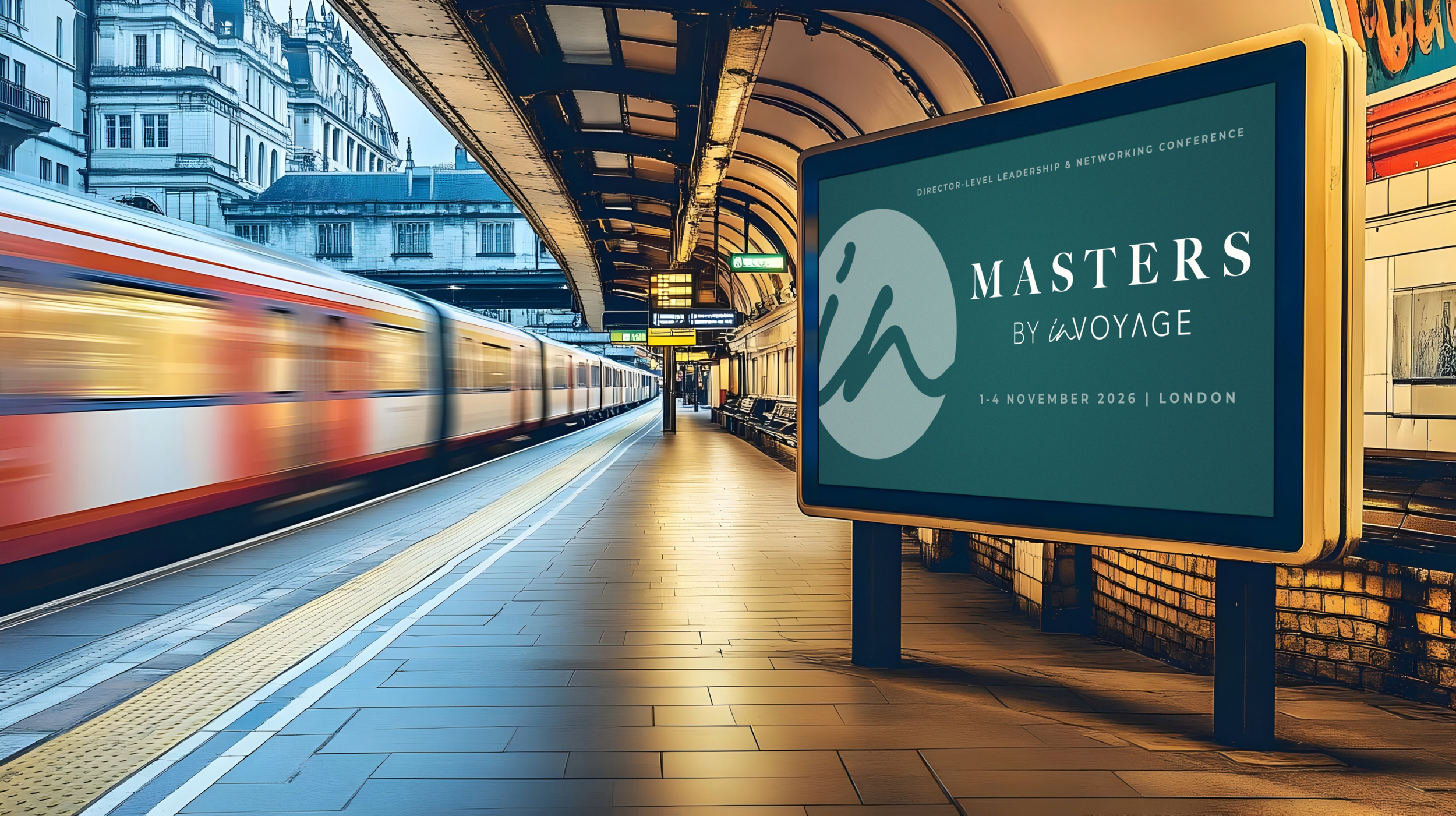
Eight addresses, one shared experience
Together, these Host Hotel Partners demonstrate how much variety can exist within a relatively compact part of London. Some place guests at the centre of the city’s ceremony and movement; others provide distance, privacy or a closer connection to its green spaces. Each establishes a different rhythm around the days spent at MASTERS.
This November, our Buyer Partners will experience these addresses first-hand. For planners, they offer a useful reminder: the hotel is not simply where the agenda pauses. It helps determine how a destination is felt, how a group reconnects and what remains with guests after the programme has ended.