Southeast Asia, Timed Right: When to Send Incentive Groups Where
Southeast Asia continues to lead the way for incentive travel, offering a mix of world-class cities, tropical escapes and culturally rich destinations that can cater to everything from first-time reward trips to highly curated repeat programs.
For planners, choosing the right destination often comes down to the type of experience a group is seeking. Some destinations excel at introducing guests to Asia in an easy, accessible way, while others are better suited to intimate luxury groups, city-based programs or large-scale beach incentives.
Incentive Destinations for First Timers
For groups experiencing Asia for the first time, accessibility, infrastructure and variety are often key. Destinations that balance comfort with cultural immersion continue to resonate strongly with international incentive groups.
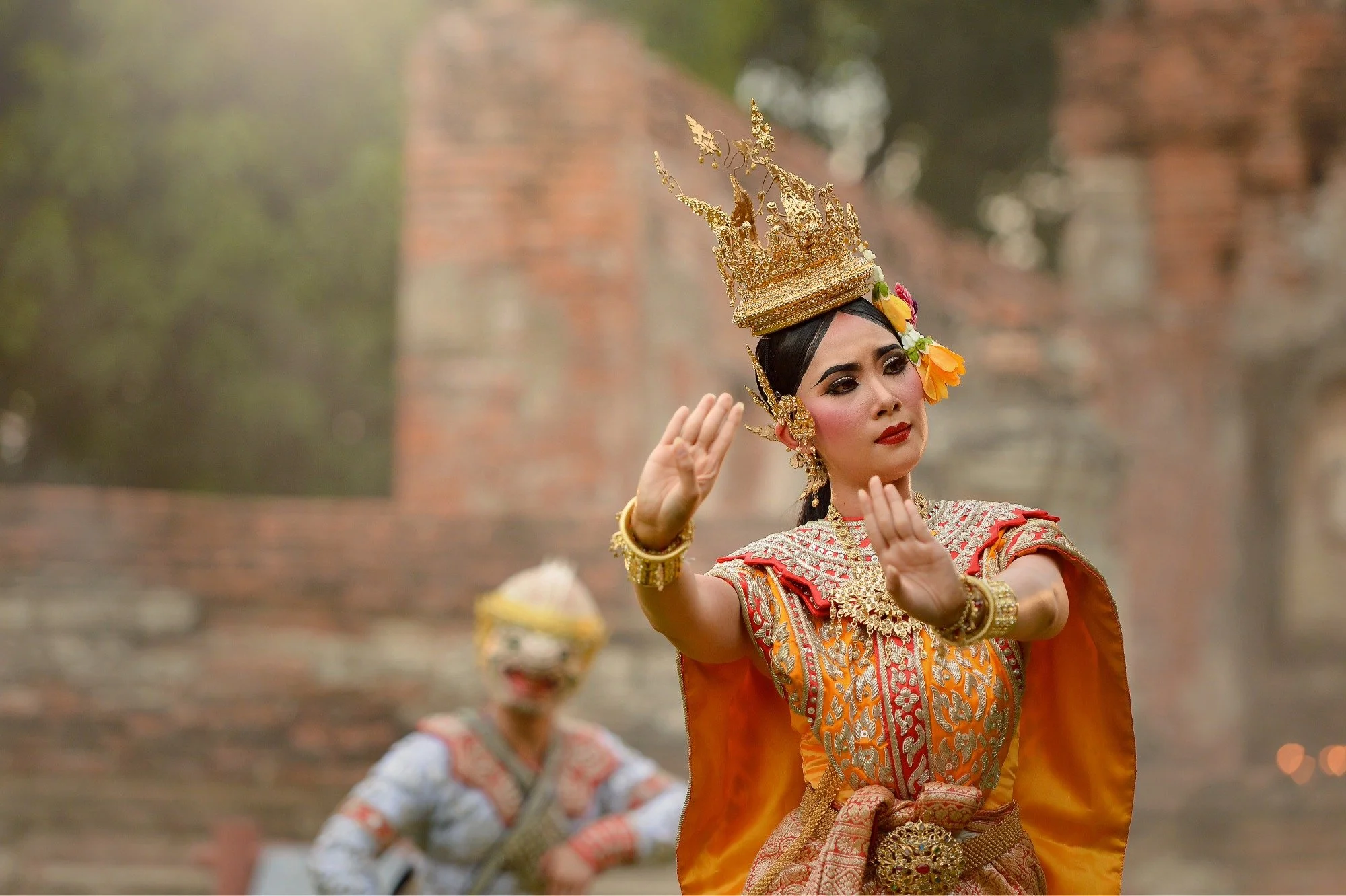
Thailand remains one of the region’s most versatile options, allowing planners to combine the energy of Bangkok with either the cultural atmosphere of Chiang Mai or a beach extension in the south. The country’s strong hospitality infrastructure, broad venue selection and excellent value make it particularly attractive for larger programs, although peak travel periods and overtourism in some areas require careful planning.
Meanwhile, Singapore continues to position itself as one of the easiest gateways into Asia. Compact, efficient and multicultural, the city combines globally recognised hotels and dining with heritage neighbourhoods, rooftop experiences and resort-style stays on Sentosa Island. While costs are generally higher than neighbouring destinations', Singapore’s seamless logistics and polished event infrastructure make it particularly appealing for shorter incentive programs.
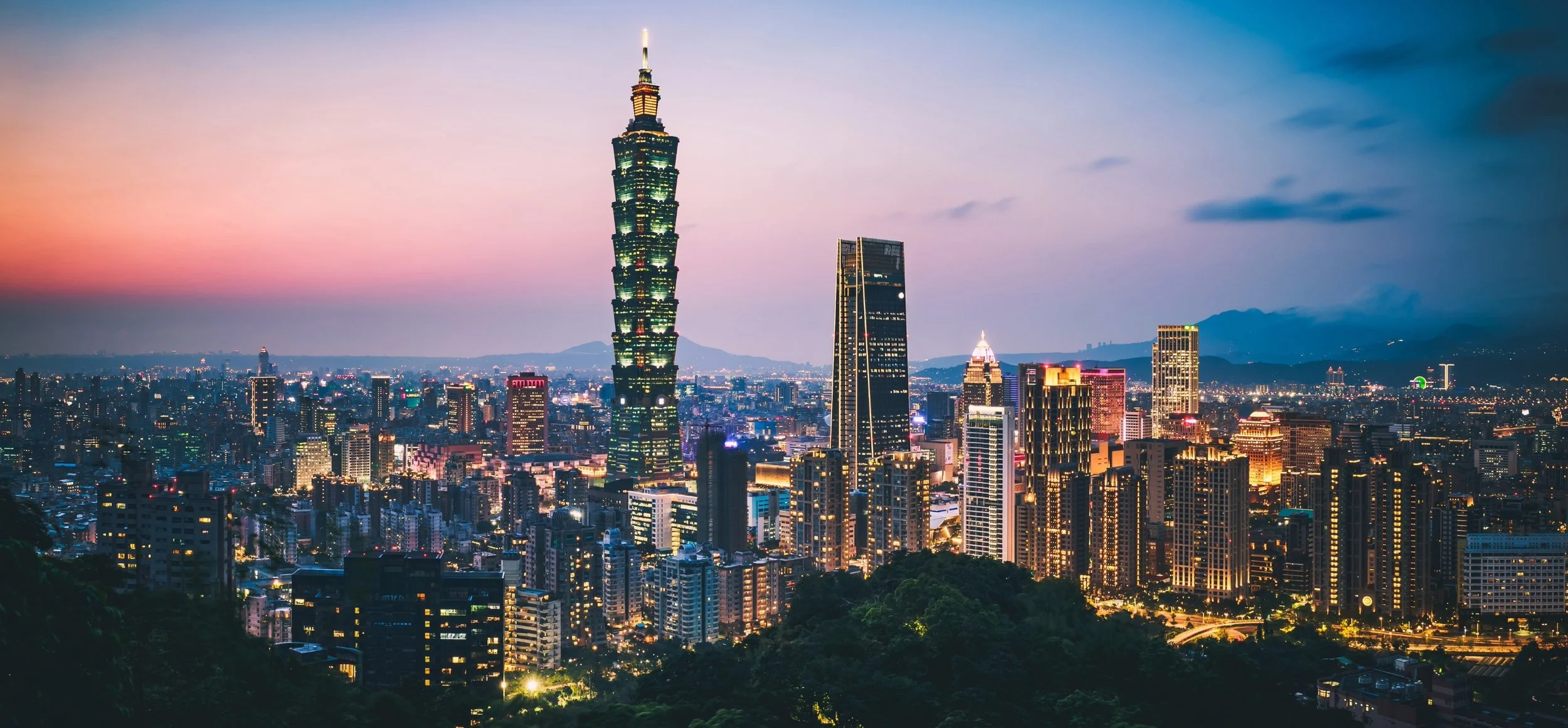
For groups seeking a more fast-paced urban experience, Hong Kong delivers a compelling East-meets-West atmosphere with world-class dining, luxury shopping and iconic harbour views. Its compact nature allows programs to move effortlessly between business, nightlife and cultural experiences, although venue availability for larger off-site functions can be limited.
EVENT PLANNER’S GUIDE
FOR WHEN TO GO:
-
Best time: November – March
Thailand is at its most reliable during the dry season, when humidity drops and both city and beach programmes run smoothly.Bangkok: November–February for cooler temperatures and easier city navigation
Chiang Mai: November–February for festivals, mountain experiences and outdoor dining
Phuket / Koh Samui: December–March (west coast peak season varies slightly by island)
Avoid: April–May (extreme heat) and parts of the monsoon season depending on region
Planner note: Koh Samui often performs better in shoulder months than Phuket due to weather patterns. -
Best time: October – March
Cooler, drier months are essential for walking-led programmes and harbour-facing experiences.
October–December: Peak incentive season (clear skies, mild temperatures)
January–March: Cooler but still highly workable for luxury programmes
Avoid: June–September (humidity, typhoons, limited outdoor reliability)
Planner note: Winter season is essential for rooftop and harbour activations.
Best City Incentive Destinations
For urban incentive programs, destinations that offer a strong mix of nightlife, dining, shopping and unique activities continue to dominate.
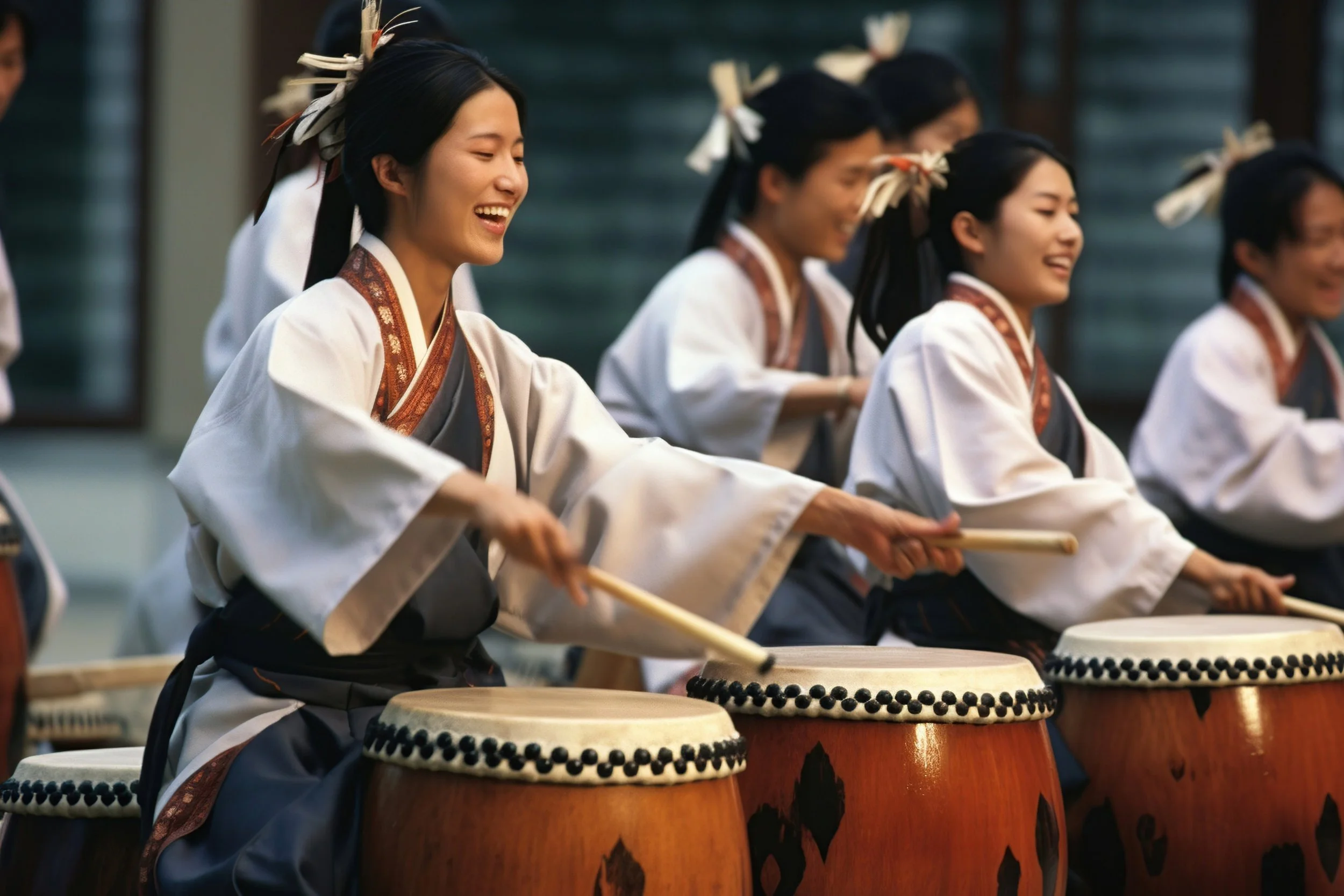
South Korea, particularly Seoul, has become increasingly popular for incentive groups seeking something more contemporary and trend driven. The city’s fast-moving restaurant scene, creative experiences and highly visual culture make it particularly attractive for younger groups and luxury incentives. Seoul Tourism Organization’s active support of international events also adds to its appeal, although some venues are still adapting to the expectations of international groups.
Singapore continues to perform strongly as a city incentive destination thanks to its extraordinary dining scene, luxury retail, rooftop nightlife and compact accessibility. Within a short radius, groups can move from sunset sailing and Michelin-starred dining to heritage walking tours or cocktails at the iconic Raffles Long Bar, creating programs with constant variety despite the city’s relatively small footprint.
EVENT PLANNER’S GUIDE
FOR WHEN TO GO:
-
Best time: April – June & September – November
Strong seasonal definition makes Korea highly dependent on timing.
Spring (Apr–Jun): Cherry blossoms, outdoor dining, cultural programming
Autumn (Sep–Nov): Best overall conditions for incentives
Winter (Dec–Feb): Strong for city-led luxury programmes, but cold conditions
Avoid: July–August (rainy season + humidity)
Planner note: Autumn is consistently the highest-performing incentive window. -
Best time: February – October
Singapore is a year-round destination, but programming feels strongest outside the wetter end-of-year months.
February–April: Ideal balance of climate and event calendar
May–July: Strong for rooftop, dining and outdoor experiences
August–October: Good availability for larger incentive groups
Avoid: November–January (heavier rainfall periods)
Planner note: Indoor/outdoor flexibility means Singapore is one of the least seasonally restricted destinations in Asia.
Best Beach Incentive Destinations
Beach incentives remain one of Southeast Asia’s greatest strengths, with destinations offering everything from large-scale resort buyouts to boutique luxury escapes.
Phuket and Koh Samui in Thailand continue to lead for groups seeking classic tropical incentive experiences. Phuket offers vibrant nightlife, luxury resorts and easy access to marine experiences such as Phang Nga Bay, while Koh Samui provides a more relaxed atmosphere framed by rainforest and beachfront luxury. Both benefit from international airport access and strong hospitality infrastructure, although popularity during peak periods can impact availability and pricing.
For more intimate, high-touch beach incentives, Langkawi in Malaysia offers a very different pace. Surrounded by limestone karsts, mangroves, and rainforest, the island combines natural beauty with luxury resorts and curated experiences such as private cruises, jungle adventures, and cable car excursions. The destination is particularly well-suited to smaller luxury groups, although its quieter nightlife and more limited restaurant scene can influence program design.
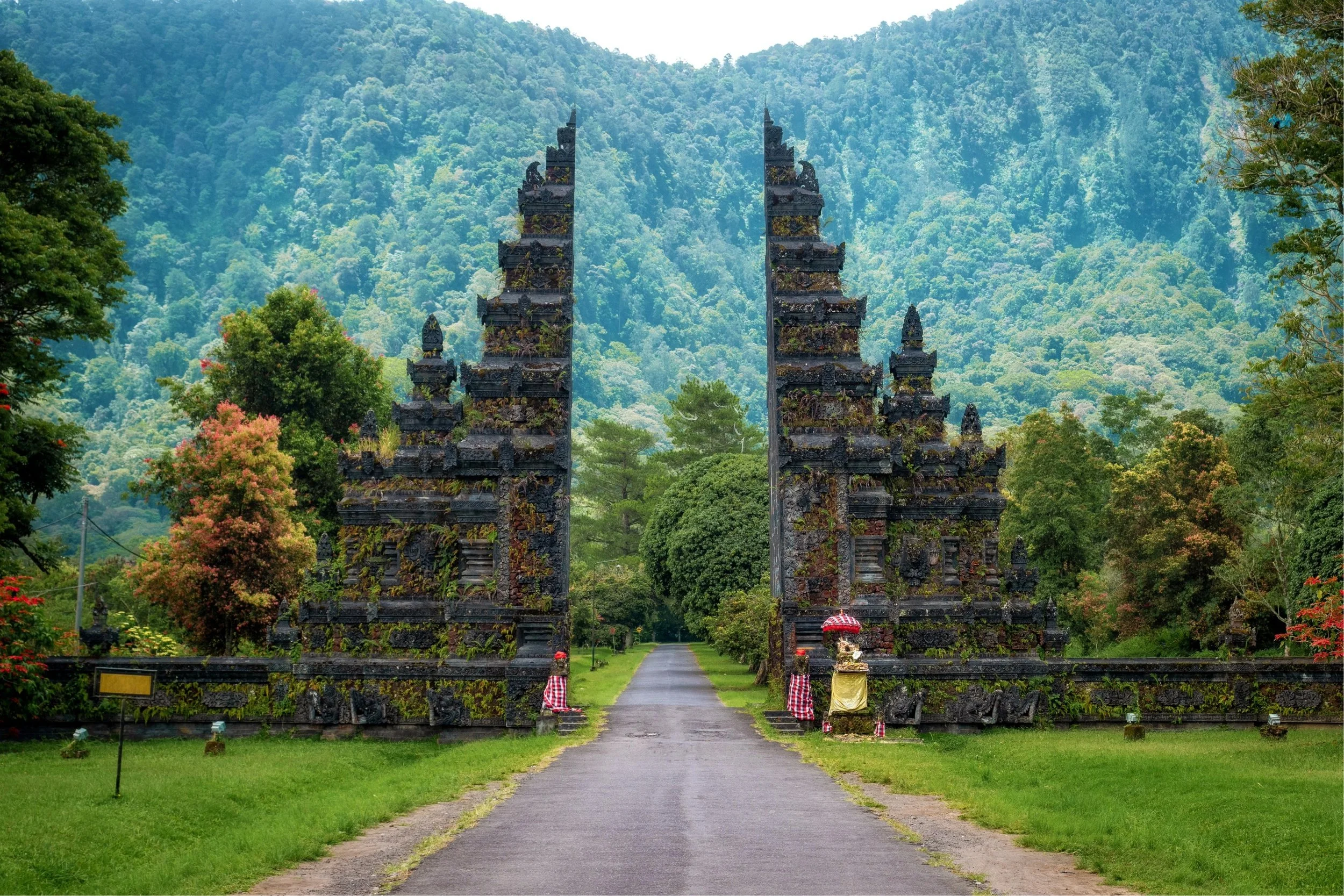
Meanwhile, Bali remains one of Asia’s most enduring incentive destinations. From the cliffs of Uluwatu to the resort enclaves of Nusa Dua and Jimbaran, the island offers enormous flexibility across accommodation, dining and activities. Bali can accommodate both intimate executive retreats and large-scale incentive groups, though traffic and logistics require careful consideration when moving guests between regions.
EVENT PLANNER’S GUIDE
FOR WHEN TO GO:
-
Best time: December – April
Malaysia’s west coast islands perform best in the early part of the year.
Langkawi: December–March for beach incentives and yacht experiences
Penang: Year-round, but December–February most comfortable
Avoid: May–October (rainfall varies by region)
Planner note: Penang is less weather-sensitive than island-based programmes. -
Best time: May – September
Dry season delivers the most consistent beach and cultural programming.
Bali: May–September for beach incentives and outdoor experiences
Java (Yogyakarta): May–October for cultural and temple-led itineraries
Avoid: November–March (wet season with regional variation)
Planner note: Bali can still operate year-round, but logistics are significantly easier in dry months.
Best Cultural Incentive Destinations
For groups seeking deeper cultural connection and storytelling-led itineraries, Southeast Asia offers some of the world’s most rewarding destinations.
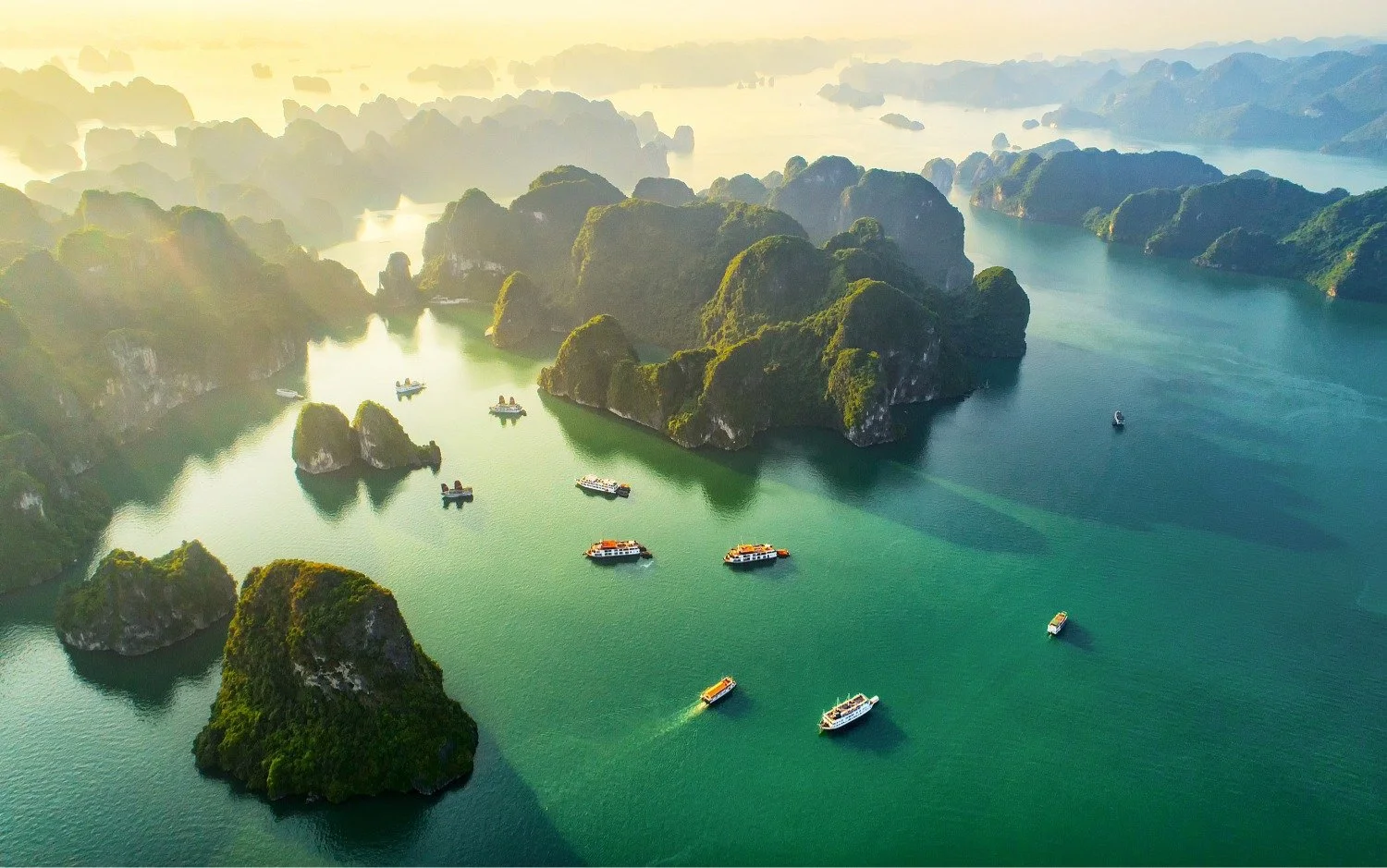
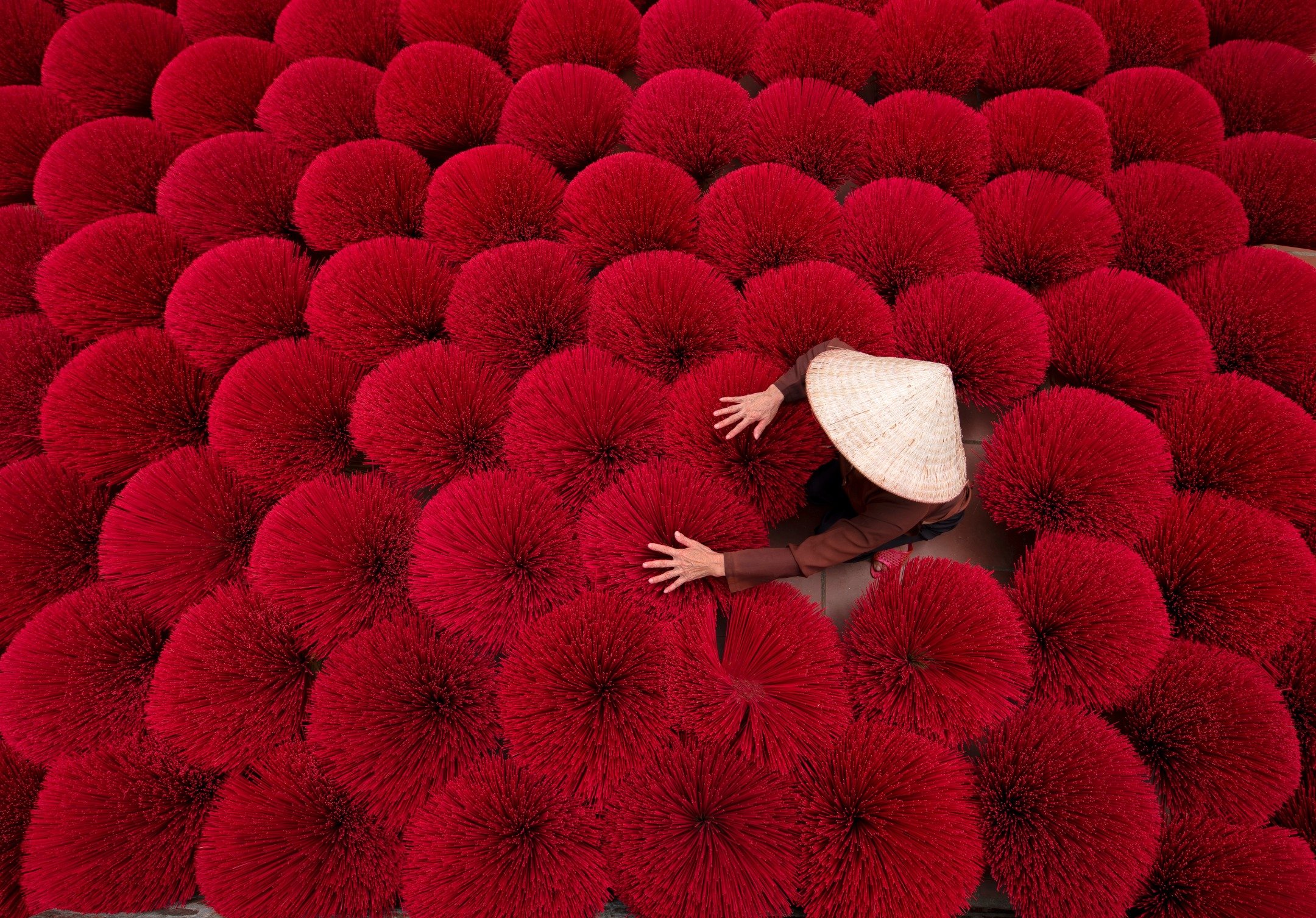
Across Vietnam and Cambodia, planners can create journeys that move seamlessly between heritage cities, coastline and ancient wonders. Hanoi blends colonial architecture, tree-lined boulevards and historic venues with access to the UNESCO-listed beauty of Halong Bay. Further south, Da Nang and nearby Hoi An offer lantern-lined streets, preserved trading architecture and immersive experiences such as cooking classes and cycling tours. In Ho Chi Minh City, bustling energy meets historical landmarks and access to the Mekong Delta.
The cultural journey naturally extends into Siem Reap, gateway to the extraordinary Angkor Wat temple complex. Beyond the temples themselves, the destination’s blend of performing arts, ancient history and resilient modern identity create deeply memorable experiences for incentive groups.
Japan also continues to attract culturally focused incentive programs, particularly itineraries combining Tokyo, Kyoto and Osaka. The contrast between ultra-modern cities and centuries-old traditions gives planners enormous creative scope, from geisha experiences and tea ceremonies to Michelin-starred dining and bullet train journeys. However, Japan’s premium pricing and seasonal accommodation demand require significant advance planning.
In South Korea, combining Seoul with the historical city of Gyeongju and the coastal atmosphere of Busan creates a distinctly different cultural experience. Connected by the country’s efficient KTX rail network, the itinerary moves from futuristic urban energy to ancient temples and relaxed seaside culture within a matter of hours.
For something closer to Southeast Asia’s spiritual and artistic traditions, combining Bali with Yogyakarta offers a rich cultural contrast. From Balinese ceremonies and temple rituals to the UNESCO-listed Borobudur and Prambanan temples in Java, the journey reveals a side of Indonesia that feels immersive, authentic and deeply rooted in everyday life.
Meanwhile, Penang continues to quietly establish itself as one of the region’s most character-filled incentive destinations. The UNESCO-listed streets of George Town combine multicultural heritage, exceptional street food and unique event venues housed within restored colonial buildings and clan houses, offering planners a destination with strong personality and creative potential.
EVENT PLANNER’S GUIDE
FOR WHEN TO GO:
-
Best time: March – May & September – November (north/south varies)
Vietnam requires regional planning due to its elongated geography.
Hanoi / North: October–April for cooler, drier conditions
Central (Da Nang / Hoi An): February–August best overall window
South (Ho Chi Minh City / Mekong): December–April for dry season reliability
Avoid: September–November in central Vietnam (typhoon risk)
Planner note: Multi-region programmes need careful sequencing by season. -
Best time: November – March
The dry season is essential for Angkor Wat and outdoor temple programming.
Siem Reap: November–February ideal
Phnom Penh: December–March most comfortable
Avoid: May–October (heat + heavy rainfall)
Planner note: Early morning temple access becomes a key programming advantage. -
Best time: March – May & September – November
Japan is one of the most season-sensitive incentive destinations in Asia.
Spring (Mar–Apr): Cherry blossom season (high demand, early booking essential)
Autumn (Oct–Nov): Best overall conditions for travel and group movement
Winter (Dec–Feb): Strong for ski incentives and urban luxury programmes
Avoid: June–July (rainy season) and peak August heat
Planner note: Seasonality directly impacts pricing, availability and programme flow.
Why Local Expertise Matters
In a region as diverse as Southeast Asia, successful incentive travel is about far more than choosing the right destination; it’s about knowing when to travel, where to position groups, and how to unlock experiences that feel authentic, seamless, and memorable.
From navigating peak travel periods in destinations such as Kyoto during cherry blossom season or Thailand during major festivals, to understanding regional weather patterns that can impact beach destinations across different times of year, local insight plays a critical role in program design. The difference between a good program itinerary and an exceptional one often comes down to timing, supplier relationships, and destination knowledge that can only be built through long-term presence on the ground.
For planners looking to incorporate Asia’s most celebrated festivals and cultural moments, whether that’s lantern-filled evenings in Hoi An, temple ceremonies in Bali, or seasonal culinary experiences across Japan and Korea, working with experienced local teams ensures programs are designed around the moments that make each destination truly unique. Destination Asia Events combines regional expertise with over three decades of operation experience, making them the true Asia event experts.