
St. Regis' London Debut: Mayfair's Hotel Scene Just Got even More Competitive
For a city already home to some of the world's most celebrated luxury hotels, London isn't slowing down.
Over the next few years, the capital's ultra-luxury landscape will welcome a series of landmark openings, each competing to redefine what a five-star stay looks like. Waldorf Astoria's transformation of Admiralty Arch has already captured the industry's attention. Auberge Collection is preparing to make its UK debut at Cambridge House. And now, another global heavyweight is preparing to make its long-awaited entrance.
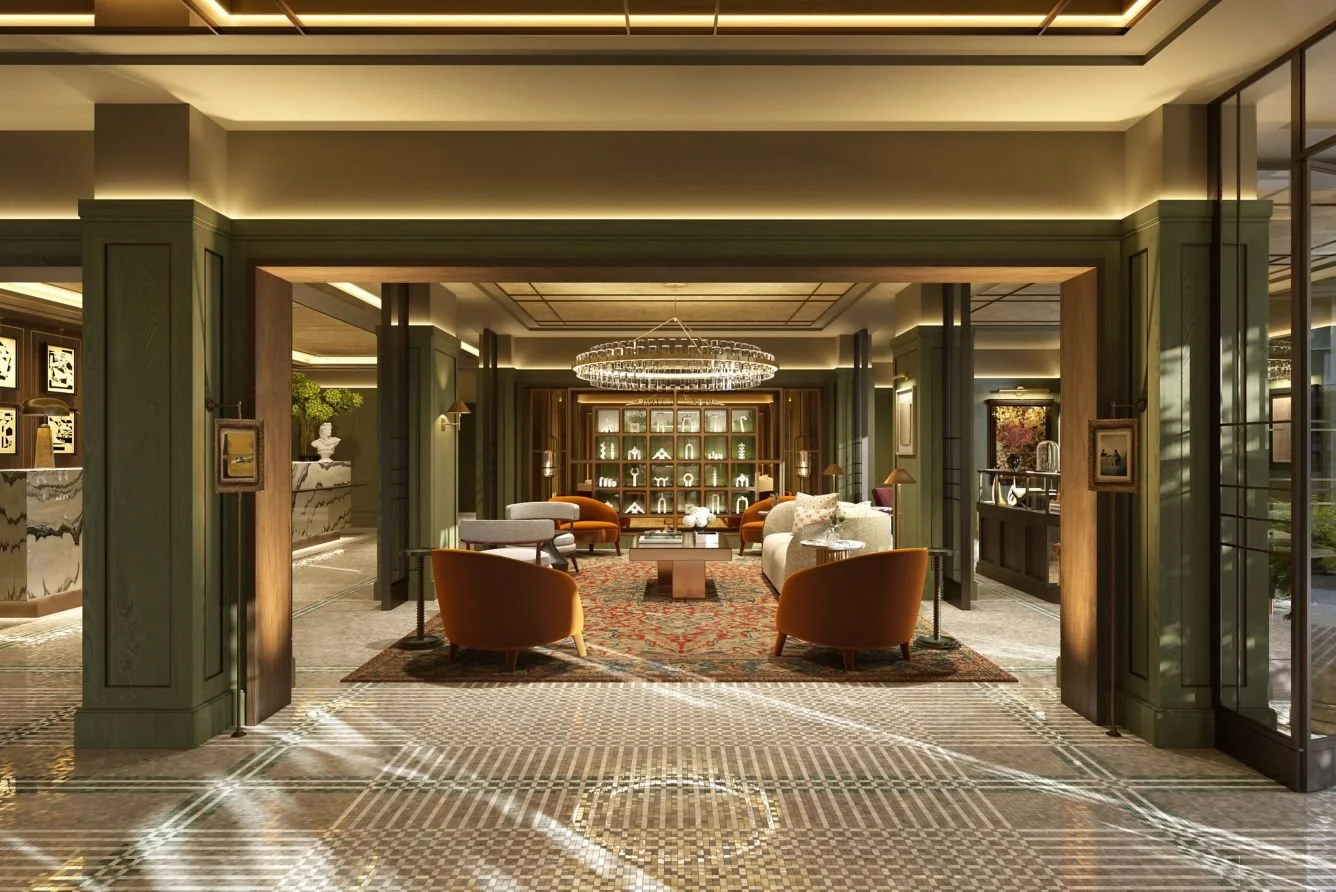
The St. Regis London.
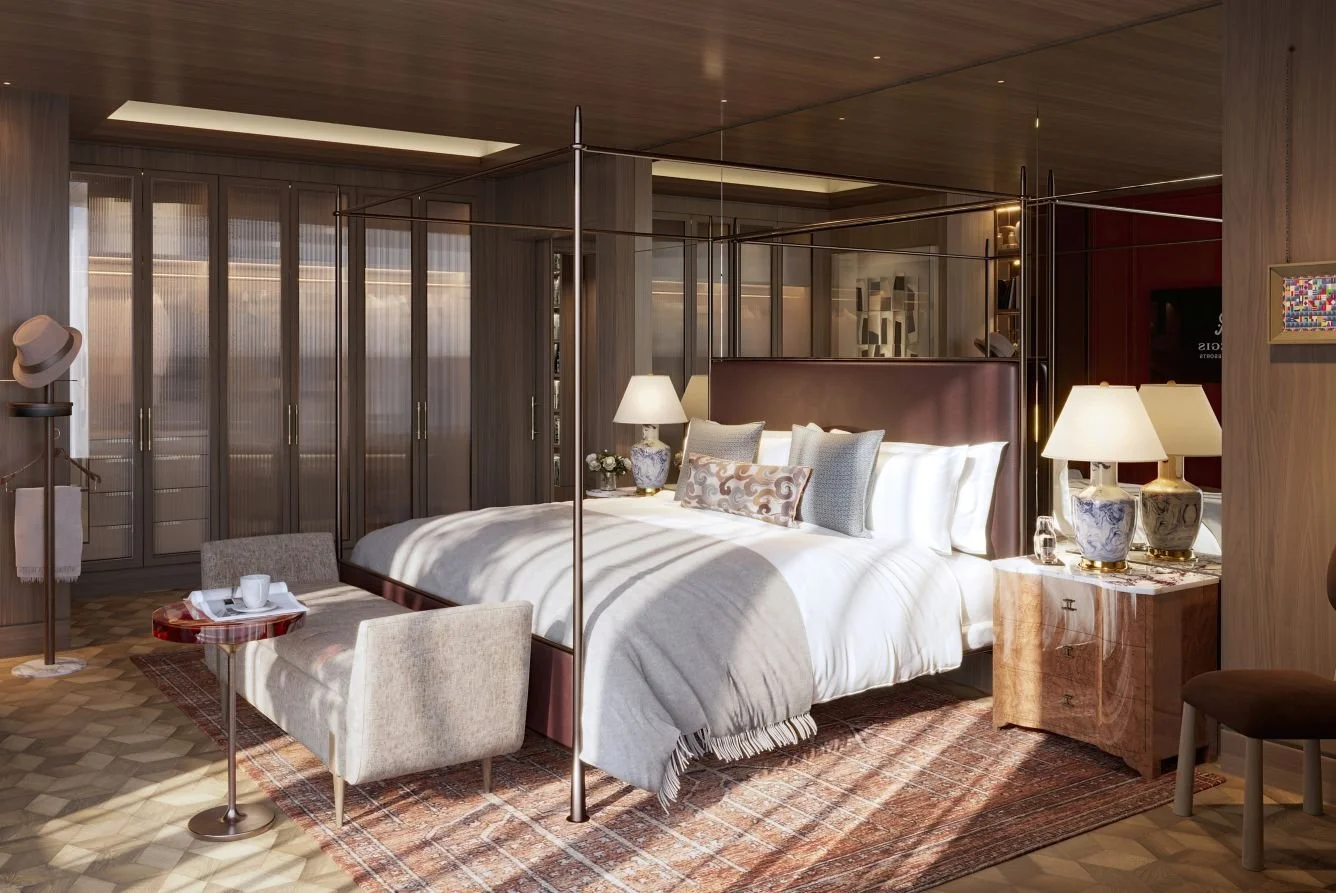
Expected to open in 2026 following the transformation of The Westbury Mayfair, the hotel marks the arrival of one of Marriott International's most prestigious brands in the UK capital. While St. Regis already enjoys a loyal following through destinations such as New York, Rome, Venice and the Maldives, London has remained a noticeable gap in its global portfolio.
That gap is finally closing.
Why London? Why Now?
The timing is significant.
Luxury travel continues to outperform many other sectors, with London remaining one of the world's strongest destinations for international meetings, incentives and executive events. And demand is stronger than ever with its international connectivity continuing to strengthen and buyers placing greater emphasis on experiential luxury than ever before.
With that in mind, St. Regis has arrived at exactly the right moment.
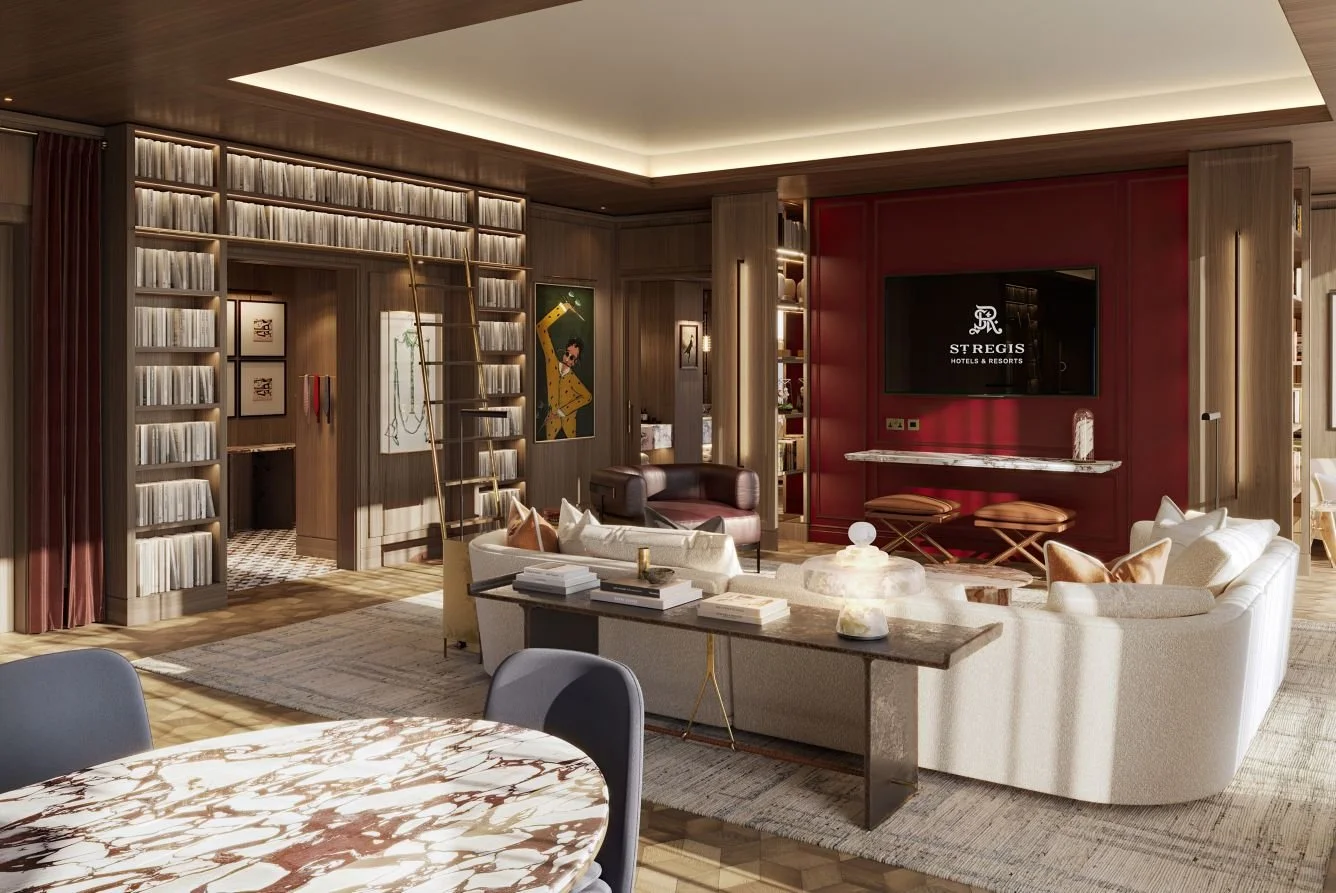
Rather than building a new hotel from the ground up, Marriott has chosen to reimagine The Westbury Mayfair, preserving one of the neighbourhood's most recognisable addresses while introducing the brand's distinctive approach to modern luxury.
It's a strategy we've seen increasingly often across Europe.
Historic buildings with established reputations are being reinvented for a new generation of luxury traveller, combining heritage with contemporary hospitality in a way that feels both authentic and commercially compelling.
Mayfair Is Becoming One of the Most Competitive Luxury Hotel Markets in the World
If luxury hotels were judged purely on postcode, Mayfair would already be difficult to beat.
Within a few streets sit some of the industry's most recognised names: Claridge's, The Connaught, Rosewood, 1 Hotel Mayfair, Brown’s, Four Seasons, COMO, The Dorchester, InterContinental, Mandarin Oriental, and now The St. Regis London joining an increasingly impressive line-up.
For luxury events, that level of competition can only be a good thing.
As brands compete to be at the top of the luxury sector, guest expectations naturally rise. Hotels invest more heavily in food and beverage, wellness, design, programming and personalised service because simply offering beautiful rooms is no longer enough.
For event planners, that means greater choice when matching hotels to different audiences and objectives. Not to mention, that having multiple world-class properties within walking distance gives you considerably more flexibility when designing programmes.
-
Opening: 2026
Location: Mayfair, London — moments from Bond Street, Hyde Park and some of the capital’s most prestigious shopping, dining and cultural destinations
Accommodation: 193 guest rooms, including 66 suites
Event appeal: A strong fit for executive retreats, VIP incentives, luxury client entertainment and intimate high-value gatherings
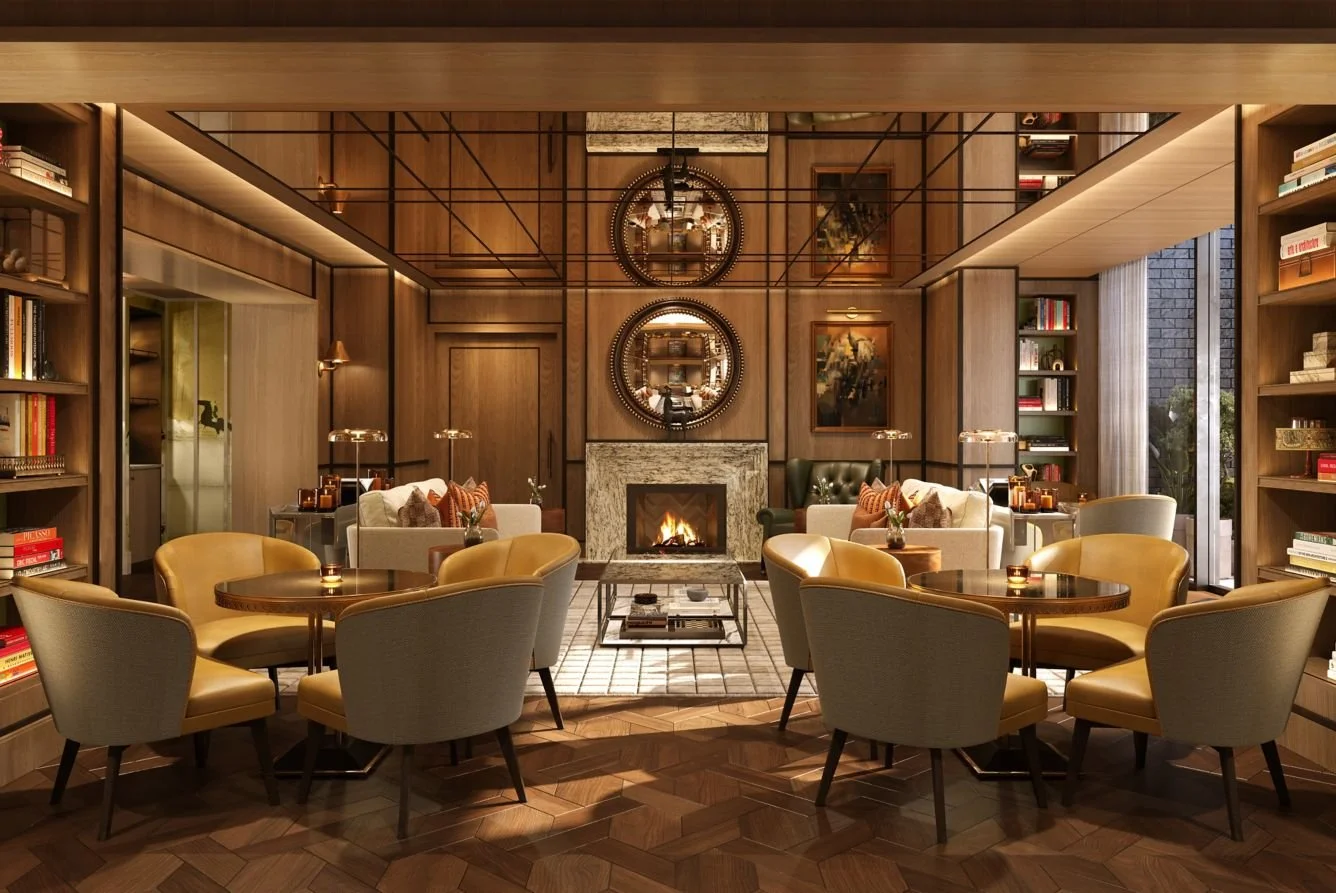
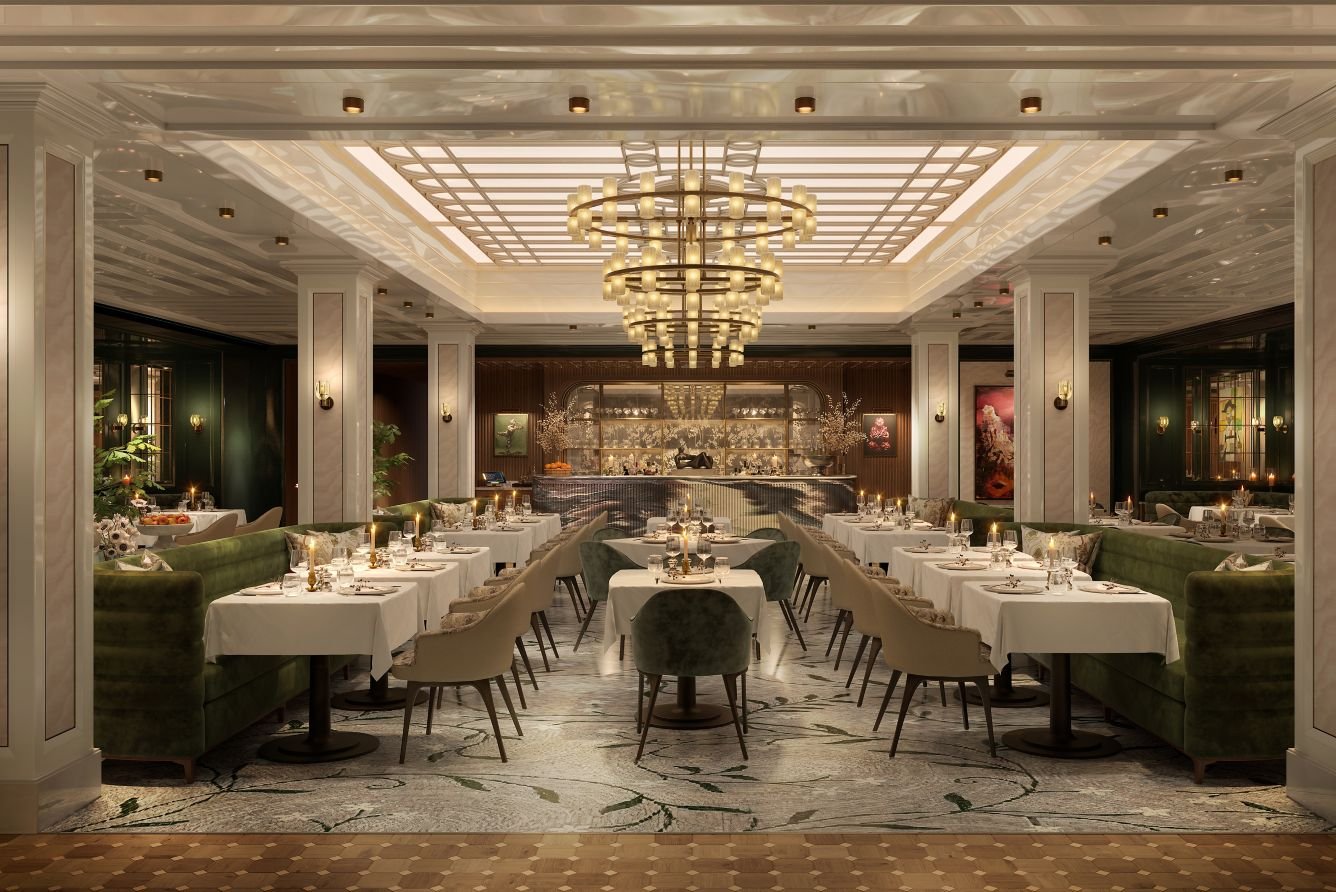
Dining & social spaces: Expected to include a signature restaurant led by acclaimed chef Daniel Rose, alongside the iconic St. Regis Bar concept
Best suited for: C-suite gatherings, international incentives, luxury brand events, VIP programmes and groups seeking a refined London experience with minimal transfers
The St. Regis Difference
Every luxury hotel brand has its signature. For Aman, it's tranquillity. For Four Seasons, it's consistency. For Waldorf Astoria, it's heritage. For St. Regis, it's service.
Since the original St. Regis opened in New York in 1904, the brand has built its reputation around exceptionally personalised hospitality. The signature Butler Service remains central to the guest experience, while rituals such as the evening champagne sabrage have become defining elements of the brand's identity across the world.
Those details may seem small but in reality, they're often the moments guests remember most.
As luxury incentives continue moving away from lavish gifting and towards memorable experiences, those carefully considered touches are more and more valuable.
The St. Regis London is expected to continue that tradition, combining the personalised service the brand is known for with new dining concepts, elegant social spaces and a wellness offering designed to appeal to today's luxury traveller.
Why This Matters for Event Professionals
One of the biggest challenges with London programmes has never been finding luxury hotels. It's finding one that genuinely complements the type of experience you're trying to create.
St. Regis looks particularly well positioned for executive incentives, C-suite retreats and VIP client programmes where service carries as much weight as spectacle.
Unlike larger convention-focused hotels, Mayfair naturally encourages programmes built around intimacy and access.
Guests can spend the morning exploring Bond Street's flagship boutiques before moving into private appointments with luxury brands, continue to nearby galleries for curator-led experiences, and finish the day with cocktails back at the hotel before an intimate private dinner.
Very little time is spent sitting on coaches.
In a city as busy as London, that's a significant advantage.
Less time travelling between venues creates more opportunities for meaningful experiences, better networking and a programme that feels effortless rather than over-scheduled.
A Neighbourhood Built for Incentives
Location has always been one of Mayfair's greatest strengths.
Within a relatively compact area, planners can build remarkably varied itineraries without sacrificing valuable time to logistics.
Depending on the audience, programmes could include:
Private shopping experiences along Bond Street and Mount Street
Exclusive gallery visits and curator-led tours
Michelin-starred dining experiences
Whisky tastings and private members' club evenings
Royal Parks wellness experiences
Cocktail receptions overlooking London's skyline
For international incentive groups visiting London for the first time, this creates exactly the kind of programme many expect from the capital.
For repeat visitors, the neighbourhood offers enough depth to uncover experiences beyond the traditional tourist trail.
Competition Benefits Everyone
One of the most interesting aspects of The St. Regis London opening is what it says about the wider market.
Within a relatively short period, London will welcome Waldorf Astoria Admiralty Arch, Cambridge House by Auberge Collection and The St. Regis London, alongside continued investment from many of the city's existing luxury hotels.
That's not coincidence.
Luxury hospitality in London is entering a new phase.
Hotels are competing less on physical product and increasingly on storytelling, food and beverage, wellness, cultural partnerships and highly personalised experiences.
And this creates an incredibly exciting opportunity for the luxury MICE industry.
The city already possesses exceptional venues, world-class restaurants and unrivalled cultural attractions. As the hotel landscape becomes increasingly competitive, we can expect access to even more distinctive settings, more creative partnerships and greater flexibility when matching properties to programme objectives.
Looking Ahead
Bringing its renowned service, distinctive traditions and global reputation to the heart of Mayfair, The St. Regis London is set to add another exciting dimension to London's already exceptional luxury landscape.
For event professionals, that's something to celebrate. As the capital continues to welcome world-class hotel openings, planners can look forward to even greater choice, more innovative dining concepts, elevated guest experiences and the kind of personalised hospitality that transforms a great programme into an unforgettable one.